How to Prune Pepino?
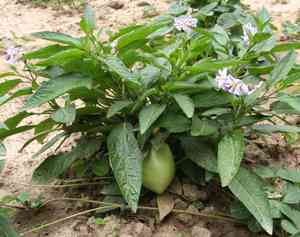
Hailing from the Andes, this plant yields sweet, melon-flavored fruit and flourishes in temperate environments. Strategic trimming for pepino enhances airflow and the caliber of its fruit. Eliminate any deceased or compromised branches and judiciously reduce density in the plant's core. The most effective time for pruning is in early spring, prior to the emergence of new shoots. This practice guarantees vigorous well-being and channels vitality towards fruit development, boosting both quantity and dimensions. Consistent pruning additionally aids in sustaining a manageable plant stature and simplifies the collection process.
Advantages of Trimming Pepino
Advantages of Trimming Pepino
Trimming pepino encourages a more plentiful yield by directing the plant's energy towards fruit development. Strategic cuts promote robust growth, ensuring strong health. Pruning also maintains the desired form for visual appeal and efficient space utilization.
Optimal Time for Pruning Pepino
Optimal Time for Pruning Pepino
Pruning pepino in early spring is considered ideal as it prepares the plant for the upcoming growth cycle by removing any dead or damaged wood that may have accumulated over winter. This timing also allows gardeners to shape the plant and manage its size before new growth begins, leading to more vigorous and healthy development during spring and summer. Additionally, with the plant still dormant or just emerging from it, the risk of infection from pruning cuts is minimized. Early pruning also avoids disrupting the flowering and fruiting periods, enabling the plant to channel energy into producing new growth that will support future flower buds and fruit set.
Necessary Tools for Pruning Pepino
Hand Pruners
Perfect for cutting branches up to 3/4 inch in diameter, ensuring precise cuts without harming pepino's stems.
Bypass Pruners
Recommended for cutting live tissue as they provide a clean cut and are less likely to crush pepino's delicate stems.
Pruning Saw
Useful for larger branches exceeding 3/4 inch that hand pruners cannot manage; a fine-toothed pruning saw can make accurate cuts without damaging pepino.
Pruning Shears
For shaping and controlling pepino's growth, especially when thinning out dense foliage to enhance air circulation.
Gloves
Protect hands from thorns and sap while handling pepino, ensuring a safer pruning process.
Long-Sleeve Shirt
Wear to shield arms from scratches when reaching into pepino to prune.
How to Prune Pepino
Clean
Sanitize your pruning tools with alcohol or a bleach solution to prevent the spread of disease during the pruning process.
Remove Diseased And Dead Material
Cut away any diseased or withered leaves and remove dead or diseased branches from pepino, making clean cuts at a 45-degree angle just above a healthy bud, leaf node, or lateral branch.
Thin Excess
Identify and thin out excessive growth branches to improve air circulation and light penetration within pepino's foliage, which encourages healthy development and fruiting. Make sure to evenly space out the remaining branches.
Shape Plant
Shape pepino by trimming back overgrown branches to maintain the desired plant form and size. Prune back to a lateral branch or bud to encourage branching and compact growth.
Cleanup
Gather and dispose of all the pruned material to keep the area around pepino clean and to help prevent any potential disease outbreaks.
Common Pruning Errors with Pepino
Over-Pruning
Removing too much foliage in one session can stress pepino, which may weaken or damage the plant.
Cutting Too Close
Cutting branches too close to the main stem can create wounds on pepino that are susceptible to disease and pests.
Pruning In Wet Conditions
Pruning pepino when it's wet can spread diseases. Always prune in dry conditions to minimize this risk.
Using Dull Tools
Dull blades can damage the stems of pepino and make uneven cuts that do not heal well and can invite pests and diseases.
Ignoring Plant Shape
Pepino benefits from maintaining its natural shape. Random cuts can result in an abnormal growth pattern that affects fruit production.
Neglecting Disinfection
Not disinfecting tools before pruning can transfer pathogens from infected plants to healthy ones.
General Pruning Advice for Pepino
Choose The Right Time
For pepino, timing is less critical while pruning non-fruiting branches, but care should be taken not to remove the fruiting ones.
Clean Cuts
Make clean and sharp cuts on pepino to promote quick healing and reduce the risk of disease entry.
Balanced Trimming
When trimming pepino, ensure a balanced approach by evenly distributing cuts to maintain the overall structure and health.
Removal Of Dead Or Diseased Wood
Regularly remove any dead or diseased branches from pepino to encourage healthy growth and lessen the chance of infection spreading.
Thinning Out
Thin out dense areas of pepino to allow light and air to reach inner branches, which can help prevent disease and promote fruiting.
Supportive Staking
When pruning pepino, provide support with stakes if necessary to ensure that the plant remains stable and can carry the weight of the fruits.



