How to Prune Bahama nightshade?
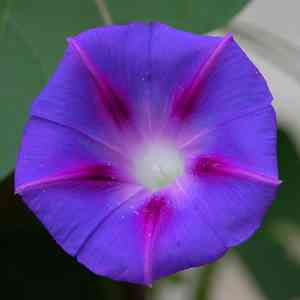
This sun-loving, drought-resistant bush thrives with judicious trimming to preserve its form and foster robust development. For bahama nightshade, conduct pruning during its dormant winter period to minimize stress on the specimen. Begin by excising any lifeless or ailing limbs, then thin out congested sections to improve air movement. Reduce the length of excessively long branches to stimulate a more compact habit. Consistent pruning not only sculpts the plant but also deters pest problems frequently associated with thick foliage. Always employ sharp, sanitized implements for accurate incisions.
Advantages of Trimming Bahama Nightshade
Advantages of Trimming Bahama Nightshade
Trimming bahama nightshade promotes robust development by reallocating energy from excised portions to new shoots and blossoms. It maintains the plant's desired dimensions and form, ensuring a neat appearance and fostering overall vitality.
Optimal Period for Trimming Bahama Nightshade
Optimal Period for Trimming Bahama Nightshade
The primary justification for choosing Winter as the ideal trimming season for bahama nightshade is that this timeframe typically aligns with the plant's dormant phase. During dormancy, bahama nightshade exhibits reduced metabolic and growth activities, which lessens the risk of significant stress when trimmed. Trimming during Winter helps to minimize sap loss, which can attract pests and cause fungal diseases. Furthermore, the absence of foliage provides clearer visibility of the plant's structure, facilitating precise removal of diseased or damaged branches. This timing also encourages vigorous regrowth in the subsequent growing season. Trimming outside the recommended season can disrupt the flowering and fruiting cycles of bahama nightshade, potentially diminishing the plant's ornamental and ecological value.
Necessary Tools for Trimming Bahama Nightshade
Hand Pruners
Perfect for making clean cuts on stems and small branches of bahama nightshade. They offer precision and are less likely to harm the plant. Opt for bypass pruners for their ability to create a clean cut without crushing the stems.
Pruning Saw
Suitable for cutting through thicker branches that hand pruners cannot manage. A pruning saw can quickly handle larger stems, ensuring a clean cut that promotes faster healing.
Loppers
Provide extra leverage for cutting through medium-sized branches while still offering accuracy. Choose loppers with bypass blades for a clean cut. This tool is especially useful for reaching into the plant and making selective cuts without causing unnecessary damage to surrounding growth.
Gloves
Not a cutting implement, but crucial for protecting hands from thorns or sharp branches while trimming bahama nightshade. Gloves also provide a better grip on the tools being used.
Sharpening Stone
Regular upkeep of cutting tools will keep them sharp, ensuring clean cuts that help prevent disease and promote quick healing of the trimmed areas.
How to Trim Bahama Nightshade
Clean tools
Before trimming bahama nightshade, sterilize pruning tools with a solution of one part bleach to nine parts water to prevent the spread of disease.
Identify
Examine bahama nightshade closely to identify dead or diseased branches, which may appear dry, brittle, discolored, or have visible signs of fungal infection or decay.
Cut diseased branches
Use sharp, clean pruning shears to cut diseased branches on bahama nightshade. Make the cut at least several inches below the diseased portions or back to healthy wood to ensure all affected material is removed.
Cut dead branches
Remove dead branches from bahama nightshade by making clean cuts at a 45-degree angle just above an outward-facing bud or branch to promote healthy regrowth and adequate air circulation.
Disinfect
After trimming bahama nightshade, disinfect the tools again using the same bleach solution to avoid contaminating other plants or parts of bahama nightshade.
Common Trimming Errors with Bahama Nightshade
Excessive trimming
Removing too much foliage can stress bahama nightshade, weakening the plant and making it vulnerable to pests and diseases.
Incorrect tool usage
Using dull or unclean tools can cause jagged cuts that are more susceptible to infection. It is essential to use sharp, clean trimming equipment.
Trimming too close
Cutting too close to the main stem can damage the dormant buds needed for new growth. Leaving a small portion of the stem is crucial.
Neglecting plant health
Trimming without first assessing the overall health of bahama nightshade can remove parts of the plant that are vital for its recovery and growth.
Shearing instead of selective cutting
Indiscriminate shearing can foster poor air circulation and light penetration, leading to a less healthy bahama nightshade.
Trimming during growth
Trimming while bahama nightshade is actively growing can interrupt its growth cycle and reduce flowering.
General Trimming Advice for Bahama Nightshade
Sanitization
Disinfect tools before and after trimming to prevent the spread of disease among bahama nightshade plants.
Targeted cuts
Make cuts just above leaf nodes at a 45-degree angle to promote healthy regrowth and to allow water to run off the cut surface.
Thinning
Selectively remove some of the inner branches to improve air circulation and light penetration throughout bahama nightshade.
Removal of dead material
Regularly remove dead or dying foliage to redirect bahama nightshade's energy to healthy growth and bloom development.
Shaping
Encourage a balanced, natural shape by selectively cutting back overgrown areas of bahama nightshade, avoiding excessive trimming of any single section.
Maintenance trimming
Throughout the growing season, perform light trimming to maintain the shape and health of bahama nightshade, rather than extensive corrective trimming all at once.



