How to Prune Upright carrionflower?
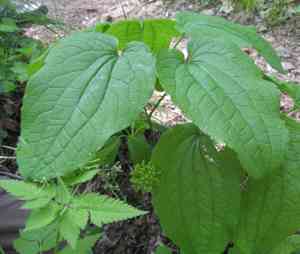
This enduring climbing plant flourishes with little upkeep yet gains from judicious trimming. For upright carrionflower, conduct pruning in the early spring to eliminate deceased or injured sections and foster new leaves. Throughout the summer, cut back as required to manage its dimensions and form, thereby improving air movement and lowering the likelihood of ailments. Trimming encourages vigorous, new development and can boost the plant's vitality, guaranteeing a sturdy and controllable vine across its active growth period.
What Are the Benefits of Pruning Upright Carrionflower?
What Are the Benefits of Pruning Upright Carrionflower?
Trimming upright carrionflower promotes more vigorous development by reallocating energy to new shoots and preserving its form for visual appeal and garden design consistency.
What Is the Best Time for Pruning Upright Carrionflower?
What Is the Best Time for Pruning Upright Carrionflower?
Pruning in late spring coincides with upright carrionflower's post-flowering phase, ensuring the plant's energy is directed towards new growth instead of sustaining spent blooms. Early summer pruning further aligns with the initial rapid growth period, allowing the plant to recover quickly and minimize stress or disease risk. These periods offer a balance between fostering healthy growth and preserving the subsequent year's flowers and fruit.
What Tools Do I Need to Prune Upright Carrionflower?
Hand Pruners
For precisely cutting stems and thinner branches of upright carrionflower. The blades can easily sever small diameters without harming the plant.
Loppers
Ideal for reaching into thick foliage and trimming thicker stems that hand pruners cannot manage. The long handles provide leverage for clean cuts.
Pruning Saw
Useful for cutting through the toughest, thickest stems and branches of upright carrionflower when they are too large for loppers to handle.
Gardening Gloves
Essential for protecting hands from the spiny or rough textures found on upright carrionflower, ensuring safe handling during the trimming process.
Safety Glasses
Prevent accidental eye injuries from flying debris or plant sap while pruning upright carrionflower.
How to Prune Upright Carrionflower
Identify diseased leaves
Inspect upright carrionflower for any indications of diseased leaves such as discoloration, spots, or mildew. Carefully remove these leaves by cutting them at the base where they meet the stem using clean, sharp shears to prevent disease spread.
Remove withered leaves
Locate withered or dead leaves on upright carrionflower. Trim these leaves back to their point of origin to encourage healthy new growth and improve air circulation around the plant.
Cut diseased stems
Identify diseased stems on upright carrionflower, paying close attention to any exhibiting rot, fungus, or damage. Cut the affected stems cleanly at the base or just above a healthy leaf node, ensuring the cut is at a 45-degree angle to aid healing and water runoff.
Cleanup
Gather and dispose of all removed plant material away from upright carrionflower. Do not compost diseased or infected plant parts as they may harbor pathogens that could spread to other plants.
Disinfect tools
After pruning upright carrionflower, clean and disinfect all pruning tools to prevent the spread of pathogens to other plants. Use a solution of one part bleach to nine parts water for sterilization.
Common Pruning Mistakes with Upright Carrionflower
Overpruning
Removing too much foliage at once can stress upright carrionflower, hindering its ability to thrive. Aim to remove only necessary parts to shape the plant and eliminate unhealthy sections.
Improper cut location
Cutting too far from a node or into the main stems can cause unnecessary harm to upright carrionflower. Prune close to a node to facilitate better healing and regrowth.
Using dull tools
Dull pruning tools can damage upright carrionflower's stems, leading to jagged cuts that may invite disease. Always use sharp tools to ensure clean cuts.
Ignoring Plant Structure
Failing to consider upright carrionflower's natural growth pattern can result in a less aesthetically pleasing shape and might impede its vigor. Understand the growth habit before making cuts.
Common Pruning Tips for Upright Carrionflower
Selective pruning
Target only the areas of upright carrionflower that require attention, such as dead, damaged, or crossing stems, to maintain plant health and encourage airflow.
Clean tools
Sterilize pruning tools before and after use to prevent the spread of disease among garden plants, which is crucial for upright carrionflower's well-being.
Cut angle
Make cuts at a 45-degree angle facing away from the nearest bud to promote proper healing and direct new growth outward for upright carrionflower.
Prune for air light
Thin out dense areas to ensure adequate light penetration and air circulation for upright carrionflower, which is essential for the prevention of fungal diseases.
Post pruning care
After pruning, provide upright carrionflower with appropriate care, including watering and mulching, to support recovery and robust growth.



