How to Prune Jack tree?
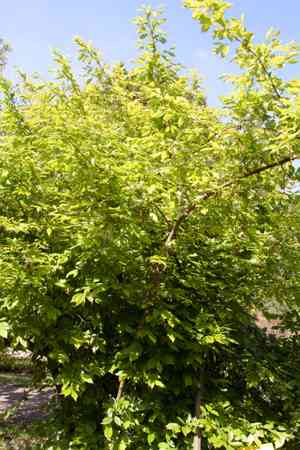
This tree, which sheds its leaves annually, is prized for its beautiful blossoms and distinctive structure. To ensure peak vitality and an appealing silhouette, jack tree ought to be trimmed in the latter part of winter or early spring, prior to the emergence of fresh shoots. The pruning process entails excising any lifeless or ailing wood, reducing the density of congested branches, and sculpting the crown to foster improved air movement and light exposure. Judicious pruning boosts floral production and sustains a controllable stature, which is particularly advantageous for aesthetic presentation.
Advantages of Trimming Jack Tree
Advantages of Trimming Jack Tree
Trimming jack tree promotes robust development and helps maintain its form. Strategic cuts enhance light penetration and air circulation, fostering a stronger, healthier framework. This species-specific upkeep ensures optimal growth and an attractive appearance.
Optimal Time for Trimming Jack Tree
Optimal Time for Trimming Jack Tree
Trimming or pruning jack tree in late winter or early spring is ideal as these seasons precede its active growth phase. Late winter pruning prepares jack tree for a surge of new growth typically occurring in spring. Removing dead, damaged, or overgrown branches at this time encourages healthier and more vigorous development. Early spring pruning, just before new growth begins, is perfect because it allows the gardener to clearly see jack tree's structure without leaf obstruction. This timing also minimizes disease entry and infestation risks, as many pests and pathogens are less active in colder months, and pruning wounds heal faster with the onset of the growing season. Furthermore, by avoiding the flowering period, pruning ensures jack tree's floral display is not negatively impacted, and the plant's energy is redirected to developing strong new growth.
Tools Required for Trimming Jack Tree
Hand Pruners
Perfect for making clean, precise cuts on stems and small branches up to 1 inch in diameter, allowing gardeners to shape jack tree or remove dead or damaged growth without harming the plant.
Loppers
Featuring longer handles and increased leverage, suitable for cutting through thicker branches (up to 2 inches in diameter) that hand pruners cannot manage, which is crucial for maintaining jack tree's overall health and structure.
Pruning Saw
Useful for removing larger branches exceeding 2 inches in diameter, ensuring cuts are clean and do not harm the remaining parts of jack tree.
Pole Pruner
Enables safe pruning of higher, hard-to-reach branches without needing a ladder, making it possible to maintain jack tree's shape and manage its height.
Hedge Shears
Although jack tree is not typically shaped into formal hedges, hedge shears can be used for shaping, especially if jack tree is grown in a hedge or screen setting.
How to Trim Jack Tree
Identification
Identify and mark the dead or diseased branches on jack tree that need trimming. Look for branches that are discolored, leafless, or show clear signs of disease or insect infestation.
Sanitation
Before starting, sterilize your pruning tools with alcohol or a bleach solution to prevent disease spread to healthy parts of jack tree.
Cutting
Using sharp, clean pruning shears, make cuts at a 45-degree angle about a quarter inch above an outward-facing bud, which will help encourage outward growth in jack tree.
Damage removal
Carefully remove dead or diseased branches by cutting back to their origin point or to a healthy lateral branch that can take over the terminal role. Avoid leaving stubs, which can attract pests and disease to jack tree.
Wound care
If large branches are removed, apply a thin layer of pruning sealer or wound dressing to protect the cut surfaces and aid healing in jack tree, though this is generally not needed for smaller cuts.
Common Trimming Errors with Jack Tree
Over pruning
Removing too much foliage at once can stress jack tree, leading to poor growth and reduced flowering. Typically, it's advised not to remove more than one-third of the total canopy in a single trimming session.
Improper cut location
Cutting too close or too far from the branch collar can result in poor healing and increase disease risk. Make clean cuts just outside the branch collar without leaving a stub.
Neglecting to remove dead material
Failure to regularly remove dead or diseased branches can impede healthy growth and may allow disease to spread throughout jack tree.
Trimming without sanitizing tools
Using dirty pruning tools can introduce pathogens to jack tree. Sterilize tools before use to prevent disease spread.
Undirected trimming
Random or thoughtless cuts can disrupt jack tree's natural growth habit, leading to a less-than-ideal shape and potentially damaging the plant's structure.
Ignoring natural shape
Not considering jack tree's natural growth pattern during trimming can result in a loss of its aesthetic appeal and may compromise the plant's health and flowering potential.
General Trimming Advice for Jack Tree
Tool sanitation
Always sterilize pruning shears and other tools before and after use to prevent disease transmission. Use a solution of one part bleach to nine parts water, or alcohol, to wipe the blades.
Cutting technique
Perform angled cuts just above an outward-facing bud to encourage outward growth. This helps maintain the plant's natural form and optimizes airflow.
Removal of dead material
Consistently remove dead, diseased, or broken branches to maintain jack tree's health. This practice also aids in shaping the plant and promoting new growth.
Thinning over crowding
Thin out crowded areas to improve light penetration and airflow within jack tree's canopy, which can reduce the likelihood of disease and encourage more blooms.
Maintenance of natural shape
Aim to maintain jack tree's natural shape by following its growth pattern when trimming. This will keep the plant looking aesthetically pleasing and promote healthy growth.
Judicious cutting
Be conservative with the amount removed in any trimming session. Jack tree is best pruned gradually over time, rather than being subjected to harsh, extensive cutting.



