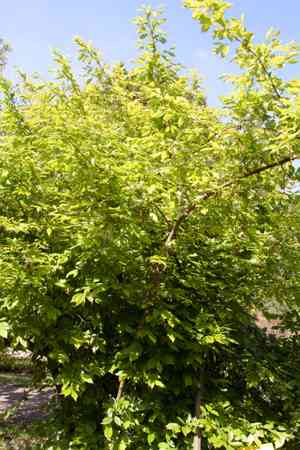
Jack tree (Sinojackia xylocarpa)
Also known as: Southern Snowbell, Chinese Snowbell
The Jack tree, known scientifically as Artocarpus heterophyllus, is a significant species often found in arboretums and botanical gardens globally. Despite its widespread cultivation, wild populations are relatively limited. According to the IUCN Red List of Threatened Species, it is classified as "Least Concern," although habitat loss poses a potential threat to its natural habitats.
In This Article
Attributes of Jack tree
Lifespan
Perennial
Plant Type
Tree, Shrub
Plant Height
7 m
Spread
4.5 m to 6 m
Leaf Color
Green
Flower Size
2 cm to 2.5 cm
Flower Color
White
Quickly Identify Jack tree
1
Deciduous tree reaching 20-30 feet (6-9 meters) tall.
2
Large, oblong to ovate leaves with glossy green top and paler underside.
3
Clusters of fragrant, star-shaped white flowers in spring.
4
Olive-shaped drupes, initially green, turning yellow to brownish when ripe.
5
Bark is gray and can become furrowed with age.
Scientific Classification of Jack tree
Phylum
Vascular plants
Class
Dicotyledons
Order
Heathers and allies
Family
Storax
Genus
Sinojackia
Species
Jack tree
Planting and Growing of Jack tree
Care Difficulty
Hard
Watering Schedule
Every 2 days
Sunlight Requirements
Partial sun
Sunshine Duration
4-8 hours
Ideal Temperature
60-75℉
Soil Type
Potting Mix, Peat Mix
Soil pH
6-7.5
Fertilizer Type
Balanced
Pruning Season
Spring, Summer
Pruning Area
Branches, Leaves
Pruning Frequency
2 times a year
Repotting Season
Spring
Pot Type
Plastic, Ceramic
 How to Water Jack tree?
When watering Sinojackia xylocarpa, aim for approximately 500 ml each time. Make sure the soil is thoroughly moistened, but not waterlogged. Allow the top inch of soil to dry out between waterings to prevent root rot and promote healthy growth.
What are the symptoms of an underwatered Jack tree?
›
What should I do if my Jack tree is not getting enough water?
›
What are the symptoms of an overwatered Jack tree?
›
How to save an overwatered Jack tree?
›
 What Are the Sunlight Requirements for Jack tree?
Partial sun exposure allows for optimal photosynthesis without stressing the plant. Ideal light ensures balanced growth, vibrant foliage, and prolific blooming.
More About Sunlight Requirements Techniques→
How to achieve perfect lighting?
›
Steps for optimal light?
›
Benefits of ideal light exposure?
›
 What Is the Ideal Temperature Range for Jack tree?
Sinojackia xylocarpa thrives best in environments with temperatures ranging from 60°F to 75°F. These conditions closely mimic their natural habitat, allowing for healthy growth and development. Maintaining such temperatures will help in the prevention of stress, ensuring the overall well-being of the plant.
 What Soil is Best for Jack tree?
Sinojackia xylocarpa thrives in nutrient-rich soils that provide the essential minerals necessary for robust growth. This type of soil supports strong root development and enhances the plant's resistance to diseases. Good drainage is crucial for Sinojackia xylocarpa as it prevents root rot by avoiding waterlogging. The well-draining soil ensures that water percolates efficiently, maintaining the right moisture balance around the roots. While drainage is important, the soil should also have the capability to retain adequate moisture. This helps in sustaining the plant during drier periods, providing a consistent growth environment.
 How to Fertilize Jack tree?
For Sinojackia xylocarpa, apply a balanced liquid fertilizer at a concentration of 1/4 to 1/2 the recommended strength during the growing season. This ensures the plant receives adequate nutrients without the risk of chemical burn.
 How to Prune Jack tree?
Avoid pruning during harsh weather conditions. Perform pruning on a dry day to reduce the chance of spreading disease. Early morning or late afternoon is ideal to prevent sunburn on freshly cut areas. After pruning, monitor the new growth for signs of stress or disease. Proper care post-pruning can ensure that the plant recovers quickly and maintains its vigor. Since Sinojackia xylocarpa is admired for its delicate blossoms, avoid heavy pruning during peak flowering seasons unless absolutely necessary. Light deadheading can enhance future blooms.
More About Pruning Techniques→
 How to Propagate Jack tree plant?
1
Collect seeds from mature Sinojackia xylocarpa fruit in autumn. Clean them thoroughly and let them dry to prevent mold. Store them in a cool, dry place until you're ready to plant.
2
Select a healthy branch of the parent plant and cut a 6-inch length with several leaves. Remove the lower leaves to expose nodes, as these are where roots will form.
3
Plant seeds or cuttings in a mixture of peat and perlite. Cover the seed tray or pot with plastic to maintain humidity and place it in a warm, bright location without direct sunlight.
 How to Repot Jack tree plant?
1
Repot Sinojackia xylocarpa when you notice roots growing through the drainage holes or if the plant appears root-bound. Spring and Autumn are ideal as the plant is actively growing and can recover better from repotting stress.
2
Select a pot that is 2 inches larger in diameter than the current one. Ensure it has good drainage to prevent root rot. The added space allows for healthy root expansion and robust plant growth.
3
Choose a well-draining loamy soil to prevent water retention, which is crucial for the healthy growth of Sinojackia xylocarpa. This soil ensures roots receive enough oxygen and reduces the risk of root rot.
Learn More About Jack tree Diseases
Anthracnose
Bacterial Leaf Spot
Crown Gall
Damping-off
Downy Mildew
Drought Stress
Fusarium Wilt
Gray Mold
Leaf Curl
Leaf Spot
Mosaic
Nutrient Deficiency
Nutrient Toxicity
Powdery Mildew
Root Rot
Root-knot Nematode
Rusts
Sooty Mold
Spider Mites
Temperature Stress
Thrips Damage
White Mold
Chemical Injury



