How to Prune Prairie dock?
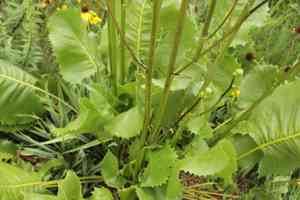
A towering, heliophilous perennial featuring expansive basal foliage and yellow composite blooms, prairie dock thrives with periodic trimming. To foster robust development and uphold a neat aesthetic, remove faded blossoms throughout the summer season. In the springtime, eliminate aged leaves prior to the emergence of new growth. Autumnal pruning may entail severing deceased stalks down to the basal rosettes. This practice guarantees more robust specimens and can deter self-propagation if preferred. Conduct pruning during cooler periods of the day to lessen strain on prairie dock.
What Are the Advantages of Trimming Prairie Dock?
What Are the Advantages of Trimming Prairie Dock?
Trimming prairie dock promotes more abundant flowering and revitalizes its growth. By eliminating surplus or dead leaves, it preserves a desired shape, ensuring the plant stays robust and visually appealing.
When Is the Optimal Time for Trimming Prairie Dock?
When Is the Optimal Time for Trimming Prairie Dock?
Late Winter or Early Spring, just prior to the emergence of new growth, is the ideal period to trim prairie dock. This timing guarantees the removal of any winter-damaged foliage and allows prairie dock to conserve energy before investing in new development. Trimming during this phase minimizes plant stress and enhances form and vitality, as prairie dock is dormant and can recover from cuts more effectively. However, if needed, light trimming is acceptable in Summer or Fall to remove faded blooms or damaged leaves, taking care not to trim excessively, which could stimulate new growth vulnerable to winter cold.
What Equipment Do I Need to Trim Prairie Dock?
Hand Pruners
Perfect for cutting through stems and small branches of prairie dock. These should be sharp, and bypass-type hand pruners are preferred for clean cuts that foster healthy regrowth.
Lopping Shears
Useful for cutting thicker stems or branches that hand pruners cannot manage. Given the robust nature of prairie dock's growth, lopping shears will provide the extra leverage needed for larger cuts.
Pruning Saws
For mature prairie dock plants with very thick stems or branches, a sharp pruning saw is essential. Its sawing action allows for precise cutting of denser material without harming the plant.
Gloves
Protective gloves are crucial when trimming prairie dock to prevent any potential skin irritation from the plant's sap and to shield hands from thorns or rough plant material.
Pruning Snips
These are helpful for deadheading or shaping prairie dock by snipping off spent flowers and small, unwanted growths. Precision snips offer the gardener more control over shaping the plant.
How to Trim Prairie Dock
Identify diseased leaves
Examine prairie dock for any diseased leaves and pinpoint them for removal. Diseased leaves might show spots, discoloration, or deformities.
Remove diseased withered leaves
Using clean, sharp pruning shears, carefully cut away the diseased and withered leaves from prairie dock at the base of the leaf stem to prevent further disease spread and encourage healthy growth.
Deadhead withered flowers
Locate withered flowers on prairie dock, and with the same clean pruning shears, snip off the flower heads. Cut back to a set of leaves or a branching point to encourage additional blooming and a tidy plant appearance.
Disinfect tools
After trimming prairie dock, disinfect your pruning shears with isopropyl alcohol or a bleach solution to prevent any potential disease spread to other plants.
Mulch and water
Apply a layer of mulch around the base of prairie dock to maintain soil moisture and temperature, and water the plant if necessary to support recovery and new growth after trimming.
Common Trimming Errors with Prairie Dock
Over-trimming
Removing too much foliage at once can stress prairie dock, potentially leading to stunted growth or a weakened plant.
Improper cutting technique
Using dull tools or making rough cuts can damage stems and leaves, introducing pathogens and hindering recovery.
Trimming healthy growth
Cutting away healthy parts of prairie dock unnecessarily can limit its ability to photosynthesize and thrive.
Neglecting plant structure
Failure to consider the natural form of prairie dock could result in an unnatural appearance and reduced vigor.
Ignoring signs of distress
Continuing to trim prairie dock without addressing issues such as pests or disease can exacerbate the plant's problems.
Common Trimming Advice for Prairie Dock
Clean tools
Ensure trimming tools are clean and sharp to make precise cuts and reduce the risk of infecting prairie dock with diseases.
Selective trimming
Remove only dead or damaged foliage and spent flower stalks to maintain plant health and encourage new growth.
Shape maintenance
Lightly trim prairie dock to maintain its natural shape and avoid over-trimming which can lead to a decrease in photosynthetic capability.
Encourage airflow
Thin out dense areas moderately to increase light penetration and airflow, which can help prevent disease in prairie dock.
Assess plant health
Before trimming prairie dock, assess its overall health and trim accordingly, prioritizing the removal of parts that negatively affect the plant's vigor.



