How to Prune Menzies' campion?
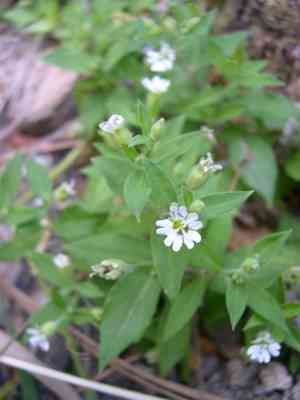
Menzies' campion, recognized for its vivid flowers and appealing leaves, thrives with thoughtful trimming. The most effective times for pruning are in early spring or late winter, coinciding with its developmental phase for robust regeneration. Essential methods include eliminating deceased or injured stalks to foster well-being and shaping to preserve a dense structure. Trimming stimulates more abundant blossoming and deters elongated development. For superior outcomes, utilize sharp, sanitized implements and refrain from over-cutting to lessen strain on the plant.
What Are the Benefits of Pruning Menzies' Campion?
What Are the Benefits of Pruning Menzies' Campion?
Menzies' campion thrives with pruning, leading to robust growth and maintaining its form. Pruning encourages healthy development, boosts flowering, manages plant size, improves overall look, and lessens vulnerability to pests and diseases.
What Is the Best Time for Pruning Menzies' Campion?
What Is the Best Time for Pruning Menzies' Campion?
Pruning during early spring and late winter is optimal for menzies' campion, preparing it for the upcoming growing season. At these times, the plant is dormant or just starting to grow, minimizing stress and lowering disease risk. This timing also aids in shaping the plant and promotes healthier, more vigorous growth as it enters its active phase. Pruning before the active growing season can ensure better blooming and overall plant health.
What Tools Do I Need to Prune Menzies' Campion?
Bypass Pruners
Perfect for precise cuts on live stems and small branches up to 3/4 inch thick, ensuring clean cuts that reduce damage and foster healthy regrowth for menzies' campion.
Pruning Shears
Suitable for trimming soft, tender growth and deadheading flowers of menzies' campion, especially during the blooming season to encourage more blooms and tidy up the plant.
Pruning Knife
Useful for making detailed cuts and removing any damaged or dead parts of menzies' campion, particularly in tight or hard-to-reach areas. Ensures easy maneuverability and clean, precise cuts.
Anvil Pruners
Good for cutting through thicker or dead wood of menzies' campion as they can cut through tougher materials and branches that defy bypass pruners, though with slightly less precision.
How to Prune Menzies' Campion
Identify diseased leaves
Examine menzies' campion closely to identify any diseased leaves. These are usually discolored, spotted, or show signs of fungal infection.
Identify withered leaves
Inspect menzies' campion for withered leaves that appear dry, shriveled, or lifeless.
Remove diseased leaves
Using sterilized pruning shears, carefully cut the diseased leaves at the base where they meet the stem to prevent any further spread of disease.
Remove withered leaves
Trim the withered leaves from menzies' campion by cutting them off at the base near the stem to encourage new growth.
Dispose pruned parts
Dispose of the pruned diseased and withered leaves away from menzies' campion to prevent any potential contamination or spread of disease within the garden.
Common Pruning Mistakes with Menzies' Campion
Incorrect technique
One common mistake is using dull or unclean pruning tools, which can damage the plant and create entry points for disease.
Poor timing
Pruning at the wrong time of the year can disrupt the plant's growth cycle and reduce flowering potential.
Over-pruning
Removing too much plant material at once can stress menzies' campion, leading to weak growth and reduced flowering.
Improper wound care
Failing to ensure clean cuts can result in jagged wounds that are susceptible to infection and pests.
Common Pruning Tips for Menzies' Campion
Clean tools
Always use sharp, sanitized tools to make precise, clean cuts which help prevent disease.
Moderation
Prune conservatively, removing no more than one-third of the plant at a time to avoid excessive stress.
Selective cuts
Focus on removing dead, damaged, or diseased stems first, and then thin out crowded areas to improve air circulation and light penetration.
Technique
Make cuts just above a leaf node or bud to encourage new growth in the desired direction, and angle the cuts slightly to prevent water from collecting.



