How to Prune Cornish moneywort?
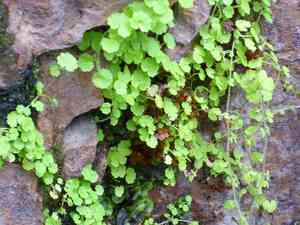
Cornish moneywort, known for its trailing habit and diminutive circular leaves, needs very little trimming. Essential methods involve cutting back elongated or excessively large stems to foster a denser form and eliminating any lifeless or injured leaves. Perform pruning in late winter or early spring, coinciding with the plant's inherent developmental rhythm, to stimulate vigorous fresh growth. This strategy not only preserves its form and well-being but also improves its general look and vitality, guaranteeing a neatly kept, visually appealing specimen.
What Are the Benefits of Pruning Cornish Moneywort?
What Are the Benefits of Pruning Cornish Moneywort?
Trimming cornish moneywort promotes robust development and helps preserve its form. Regular cutting also prevents excessive growth, allowing the plant to flourish in diverse garden environments. Furthermore, pruning can decrease the likelihood of pests and diseases, fostering overall plant vitality.
What Is the Best Time for Pruning Cornish Moneywort?
What Is the Best Time for Pruning Cornish Moneywort?
Trimming cornish moneywort in late winter or early spring is considered ideal as the plant is in a dormant state. Pruning at this time reduces stress on the plant and stimulates strong growth when the active season begins. Additionally, this period allows the plant to recover quickly before new growth starts, encouraging healthier and more vigorous development. Cutting back during these times also helps shape the plant and manage its size without disrupting its flowering or fruiting cycles.
What Tools Do I Need to Prune Cornish Moneywort?
Bypass Pruners
Perfect for making small, accurate cuts on stems and vines without causing harm, suitable for shaping and minor upkeep.
Micro-tip Pruning Snips
Excellent for detailed trimming and removing specific plant parts, ensuring a clean cut close to the stem.
Garden Scissors
Useful for light trimming and general maintenance, allowing easy access to confined areas.
Handheld Pruning Saw
Recommended for addressing thicker growth or older vines that may have developed, ensuring a clean cut without significant strain.
How to Prune Cornish Moneywort
Preparation
Gather sanitized pruning shears or scissors to prevent the spread of illnesses.
Inspection
Carefully examine cornish moneywort for diseased or withered leaves that require trimming, paying close attention to discoloration or signs of decay.
Clean cut
Make precise cuts at the base of the diseased or withered leaves, ensuring not to harm the healthy parts of cornish moneywort.
Disposal
Discard the trimmed diseased leaves away from cornish moneywort to prevent potential contamination or disease spread.
Monitoring
Regularly observe cornish moneywort for new indications of disease or withered leaves and repeat the pruning process as needed.
Common Pruning Mistakes with Cornish Moneywort
Over-pruning
Many gardeners, especially beginners, tend to remove too much of the plant. This can stress cornish moneywort and hinder its growth. It's important to avoid excessive cutting.
Wrong Tools
Using dull or unsuitable tools can damage cornish moneywort, leading to jagged cuts that are more vulnerable to disease. Ensure tools are sharp and appropriate for the stem size.
Improper Cuts
Making uneven or angled cuts can harm cornish moneywort. Incorrect cutting angles can create entry points for pathogens. Always aim for clean, straight cuts.
Pruning at Incorrect Nodes
Cutting too close to the main stem or at the wrong node can prevent new growth. It's crucial to cut just above a leaf node to promote healthy development.
Frequency
Pruning too often can weaken cornish moneywort, while infrequent pruning can lead to overgrowth and poor plant health. Balance is key.
Common Pruning Tips for Cornish Moneywort
Use Sharp Tools
Always use sharp, clean pruning shears to make precise cuts and minimize damage to cornish moneywort. This reduces the risk of disease and promotes faster healing.
Cut Above Leaf Nodes
Make your cuts just above leaf nodes to encourage new growth and maintain the shape of cornish moneywort. This technique supports vigorous and healthy development.
Remove Dead or Diseased Parts
Regularly remove any dead or diseased foliage to prevent the spread of pathogens and ensure cornish moneywort remains healthy.
Mind the Shape
When pruning, aim to maintain the natural shape of cornish moneywort. This helps to improve airflow and light penetration, promoting overall plant health.
Moderation
Practice moderation by only removing about one-third of the plant's growth at a time. This helps to prevent undue stress on cornish moneywort and encourages robust recovery.



