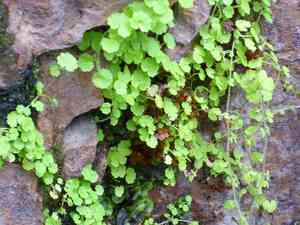
Cornish moneywort (Sibthorpia europaea)
Also known as: Creeping Jenny, Cornish Moneywort
The species exhibits a disjunct distribution, being found in regions such as southwestern Europe, including the Azores, Portugal, Spain, southwestern Ireland, and the southwestern United Kingdom. It is also present in Crete, the Pelion region of Greece, and parts of tropical Africa. This pattern suggests the species may have had a broader range in the past, potentially during the Tertiary period, before climatic and geological changes led to its current fragmented distribution.
In This Article
Attributes of Cornish moneywort
Lifespan
Perennial
Plant Height
2-5 cm
Spread
Spreads widely through creeping stems
Leaf Color
Green
Flower Size
Less than 1 cm
Flower Color
Yellow
Images of Cornish moneywort

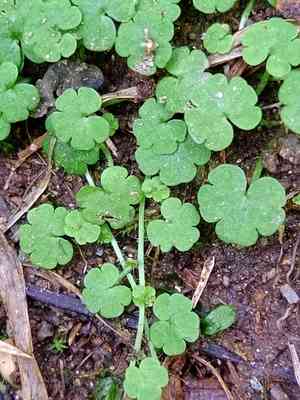

Quickly Identify Cornish moneywort
1
Identify Sibthorpia europaea by its small, round leaves, creeping stems, and the preference for moist, shady habitats. Its leaves are typically arranged opposite each other, and it produces tiny, inconspicuous flowers.
Scientific Classification of Cornish moneywort
Phylum
Vascular plants
Class
Dicotyledons
Order
Mints plantains olives and allies
Family
Plantain
Genus
Sibthorpia
Species
Cornish moneywort
Planting and Growing of Cornish moneywort
Care Difficulty
Easy
Watering Schedule
Every 2 days
Sunlight Requirements
Partial sun
Sunshine Duration
6-10 hours
Ideal Temperature
60-75℉
Soil Type
Potting Mix, Peat Mix
Soil pH
6-7.5
Fertilizer Type
Balanced
Pruning Season
Spring, Summer
Pruning Area
Branches, Leaves
Pruning Frequency
2 times a year
Repotting Season
Spring
Pot Type
Plastic, Ceramic
 How to Water Cornish moneywort?
For Sibthorpia europaea, maintaining balanced soil moisture is crucial. Watering should be done such that the soil is moist but not waterlogged. Applying approximately 200ml of water at each instance works well, ensuring that the top layer feels slightly damp to the touch but without excess water pooling.
What are the symptoms of an underwatered Cornish moneywort?
›
What should I do if my Cornish moneywort is not getting enough water?
›
What are the symptoms of an overwatered Cornish moneywort?
›
How to save an overwatered Cornish moneywort?
›
 What Are the Sunlight Requirements for Cornish moneywort?
Partial sun to full shade is ideal. These conditions replicate its native environment, boosting its ability to maintain healthy, vibrant green foliage while supporting gentle growth without stress from harsh sunlight.
What is the best type of light for Sibthorpia europaea?
›
How to ensure Sibthorpia europaea gets ideal light conditions?
›
What are the benefits of ideal light for Sibthorpia europaea?
›
 What Is the Ideal Temperature Range for Cornish moneywort?
The ideal temperature range for cultivating Sibthorpia europaea is between 60°F and 75°F. This range provides a stable environment where the plant can thrive, ensuring proper growth and development. At these temperatures, the plant maintains its metabolic processes without stress, promoting healthy foliage and flowering.
 What Soil is Best for Cornish moneywort?
Sibthorpia europaea thrives in soils that retain moisture well, ensuring the plant does not dry out between waterings. Good moisture retention supports its lush greenery and abundant ground cover capabilities. It requires nutrient-rich soils to maintain its vibrant foliage and flowering. Fertile grounds help in sustaining the plant's health, promoting robust growth and resilience against pests. Well-draining soil is crucial to prevent root rot. Despite needing moisture, excess water must be allowed to drain away to keep roots healthy, ensuring the longevity of the plant.
 How to Fertilize Cornish moneywort?
For Sibthorpia europaea, a balanced application of fertilizer is essential. Use a dilute liquid fertilizer with an N-P-K ratio of 10-10-10, applying approximately 1 teaspoon per quart of water. For slow-release granular fertilizers, use about 1 tablespoon per square foot of soil area around the plant. This ensures the plant receives the necessary nutrients without the risk of over-fertilization.
 How to Prune Cornish moneywort?
Begin by identifying any dead, damaged, or diseased stems. These should be removed first to prevent the spread of any potential diseases and to facilitate the growth of healthy new shoots. Cut them back to the point of healthy tissue to encourage new growth. Carefully trim any overgrown branches to maintain the desired shape and size of the plant. Focus on creating a balanced and symmetrical appearance while ensuring that the interior of the plant gets adequate sunlight and air circulation, which is crucial for healthy growth. Use subtle shaping techniques to enhance the natural form of Sibthorpia europaea. This might involve selectively cutting back some stems to maintain its bushy and low-growing nature. Ensure that the plant contours harmoniously with its surroundings, complementing garden layouts or indoor décor.
More About Pruning Techniques→
 How to Propagate Cornish moneywort plant?
1
Collect mature seeds from the plant at the end of the flowering season. Ensure that they are dry before storing them in a cool, dry place until the early spring for sowing.
2
When preparing cuttings, select healthy young shoots. Cut them at an angle using sanitized shears and remove any lower leaves to minimize transpiration and rot.
3
In early spring, carefully dig up the plant using a garden fork. Separate clumps into sections with several stems each, ensuring each piece has a robust root system for successful replanting.
 How to Repot Cornish moneywort plant?
1
Observe signs that Sibthorpia europaea needs repotting, such as roots growing out of drainage holes, slowed growth, or soil drying out too quickly after watering. These are clear indicators that it's time to provide your plant with additional room and nutrients.
2
Choose a pot that is 1-2 inches larger in diameter than the current one. It must have good drainage holes to prevent waterlogging, which can lead to root rot. A slightly deeper pot accommodates the cascading growth habit of Sibthorpia europaea.
3
Opt for a well-draining potting mix rich in organic material to ensure proper aeration and moisture retention. This mix supports root health and mimics the plant's natural forest floor habitat, promoting robust growth.
Learn More About Cornish moneywort Diseases
Anthracnose
Bacterial Leaf Spot
Bacterial Soft Rot
Bacterial Wilt
Black Spot
Chemical Injury
Crown Gall
Cyst Nematode
Damping-off
Downy Mildew
Drought Stress
Fusarium Wilt
Gray Mold
Leaf Curl
Leaf Spot
Mosaic
Nutrient Deficiency
Nutrient Toxicity
Powdery Mildew
Root Rot
Root-knot Nematode
Rusts
Sooty Mold
Spider Mites
Temperature Stress
Thrips Damage
White Mold



