How to Prune Silver buffaloberry?
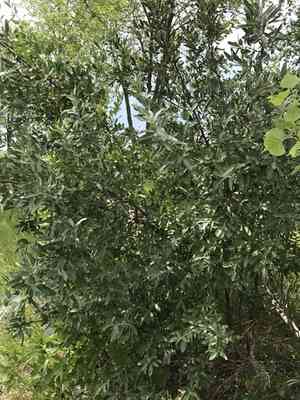
For robust development and fruit yield in silver buffaloberry, undertake pruning in late winter or early spring prior to the emergence of new shoots. Eliminate any deceased or compromised limbs, reduce density in congested zones to enhance air movement, and sculpt the shrub for an even configuration. This practice not only fosters a stronger and more visually appealing specimen but also diminishes the likelihood of ailments by facilitating superior light exposure and ventilation.
What Are the Benefits of Pruning Silver Buffaloberry?
What Are the Benefits of Pruning Silver Buffaloberry?
Trimming silver buffaloberry promotes robust development and maintains its shape. Deliberate cuts enhance vitality, prevent excessive growth, and sculpt silver buffaloberry's form for beauty and space management.
What Is the Best Time for Pruning Silver Buffaloberry?
What Is the Best Time for Pruning Silver Buffaloberry?
Trimming silver buffaloberry in late winter or early spring is ideal as this period precedes the plant's new growth cycle, typically beginning in spring. During late winter, the plant is dormant, which reduces pruning stress and minimizes sap loss that can attract pests. By pruning before new shoots emerge, the plant can recover more efficiently and direct energy to produce strong, new growth in spring. Additionally, this timing allows gardeners to better identify and remove dead or diseased branches to maintain plant health and vigor. It also prevents the removal of current season's flowers or fruit, as silver buffaloberry flowers on new wood and fruits later in the season. Pruning during these recommended seasons ensures the plant retains its shape, encourages fruit production, and promotes overall health.
What Tools Do I Need to Prune Silver Buffaloberry?
Hand Pruners
Perfect for making accurate cuts on smaller branches of silver buffaloberry. Bypass pruners are recommended for cleaner cuts that heal faster.
Loppers
These are effective for cutting thicker branches, typically up to 2 inches in diameter, which is common for mature silver buffaloberry. They offer greater leverage and reach than hand pruners.
Pruning Saw
For the largest branches, exceeding 2 inches in diameter, a pruning saw is essential. Silver buffaloberry can develop thick, mature branches requiring a saw for removal.
How to Prune Silver Buffaloberry
Clean tools
Before beginning, sanitize pruning tools to prevent disease spread to silver buffaloberry. Use a solution of 1 part bleach to 9 parts water, or an alcohol solution to disinfect the tools.
Identify parts
Thoroughly inspect silver buffaloberry to locate dead or diseased branches. These branches may show discolored bark, a brittle texture, or visible signs of fungal growth or insect damage.
Prune dead diseased
Using sharp, clean pruning shears, cut dead and diseased branches at their base or back to healthy wood. Make cuts just above a live bud, angled away from the center of silver buffaloberry to encourage water runoff from the wound.
Smooth cuts
After removal, ensure cuts are clean and smooth. Ragged edges can hinder healing and attract pests or diseases. Use a pruning saw for larger branches to prevent tearing the bark of silver buffaloberry.
Dispose
Carefully gather and discard all removed branches, especially diseased ones, to prevent potential pathogen spread near silver buffaloberry. Do not compost diseased material.
Common Pruning Mistakes with Silver Buffaloberry
Over Pruning
Removing too much foliage at once can stress silver buffaloberry, resulting in a weak plant vulnerable to pests or diseases.
Improper Cuts
Making incorrect cuts, such as leaving stubs or tearing the bark, can invite pathogens and impede silver buffaloberry's healing process.
Pruning Healthy Growth
Cutting away healthy growth without reason can limit the overall fruit production and vigor of silver buffaloberry.
Neglecting Tool Hygiene
Using dirty pruning tools can spread diseases between plants. It is crucial to disinfect tools before working on silver buffaloberry.
Ignoring Plant Structure
Failing to consider silver buffaloberry's natural growth pattern when pruning might result in an undesirable shape or damage to the leader shoot.
Common Pruning Tips for Silver Buffaloberry
Selective Thinning
Remove specific branches to improve air circulation and light penetration to the inner canopy of silver buffaloberry, promoting healthy growth.
Angle Cuts
Make clean cuts at a slight angle, well above the bud, ensuring they face outwards to guide new growth away from the center of silver buffaloberry.
Pruning for Shape
Maintain the natural form of silver buffaloberry by trimming wayward or crossing branches, enhancing the plant's aesthetic and structural integrity.
Renewal Pruning
Periodically remove older stems to stimulate new growth and maintain the vitality of silver buffaloberry.
Tool Choice
Use sharp, precise tools suitable for the branch sizes of silver buffaloberry to make clean cuts, which will heal more efficiently.



