How to Prune Snowrose?
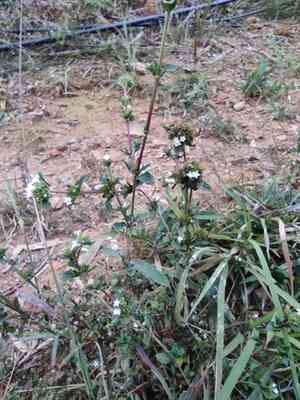
This adaptable woody plant, recognized for its dainty white flowers and lustrous foliage, flourishes with consistent trimming. Essential methods involve reducing crowded branches and shortening elongated stems to foster a more compact form. The most effective time for pruning is in late spring or early summer, aligning with the plant's natural development. Trimming enhances vigorous well-being, boosts blossom production, and preserves snowrose's preferred dimensions and aesthetic appeal. It is crucial to employ sanitized, keen implements to avert illness.
Advantages of Trimming Snowrose
Advantages of Trimming Snowrose
Trimming snowrose can promote blooming, improve plant vitality by preventing pest and pathogen infestations, and maintain a desired size and form, ensuring an attractive specimen.
Optimal Time for Trimming Snowrose
Optimal Time for Trimming Snowrose
The best periods for trimming snowrose are late spring and early summer. Pruning during these times aligns with the plant's active growth phase after the risk of frost has passed, encouraging healthy new shoots without the danger of cold damage. Late spring trimming helps shape the plant and manage its size, while early summer trimming can stimulate a second round of flowering in the same year. These seasons avoid disrupting snowrose's flowering cycle, as it typically blooms from spring to fall. Excessive trimming outside these recommended periods, especially during the flowering phase, can reduce blooming and overall vigor. Additionally, trimming during the dormant season (fall and winter) is often avoided to prevent the plant from being weakened when it should be conserving energy for the next growth cycle. The indicated timing ensures that snowrose has sufficient time to heal before entering the colder months, thus reducing the risk of disease or pest infestation in open wounds. Considering these factors contributes to the health and aesthetic appearance of snowrose.
Tools Required for Trimming Snowrose
Bypass Pruners
Perfect for making clean cuts on smaller stems and branches of snowrose without crushing plant tissues.
Fine-toothed Pruning Saw
Suitable for cutting through thicker branches that require a precise cut.
Thinning Shears
Can be used to selectively thin out dense foliage and improve light penetration and air circulation.
Micro-Tip Snips
Ideal for detailed work like shaping snowrose or removing unwanted buds and leaves without disturbing the rest of the plant.
Gloves
To protect hands from thorns and rough branches while trimming snowrose.
How to Trim Snowrose
Sanitization
Before beginning to trim snowrose, sterilize all pruning tools with a solution of bleach or alcohol to prevent the spread of disease.
Removal
Identify and remove any diseased or withered leaves, dead or diseased branches by cutting them at the base using clean, sharp shears. This helps snowrose direct energy to healthy growth.
Shape
Trim excessive growth branches to shape snowrose and maintain its desired form. Make cuts just above leaf nodes to encourage bushier growth.
Deadhead
Snip off withered flowers close to the base of the bloom to encourage snowrose to produce new flowers.
Thin
Thin out crowded areas to improve airflow, which reduces the risk of disease in snowrose. Selectively remove branches that are crossing or that are too close together.
Common Trimming Errors with Snowrose
Over-Trimming
One common mistake is removing too much of snowrose's foliage, which can stress the plant and stunt its growth.
Improper Cutting Technique
Using dull tools or making jagged cuts can damage snowrose's delicate branches and introduce disease.
Trimming Healthy Blooms
Accidentally cutting off healthy blooms can reduce the flowering of snowrose, diminishing its ornamental value.
Shaping Without A Plan
Random or excessive shaping can lead to an unbalanced appearance and harm the plant's structural integrity.
Neglecting To Disinfect
Failing to disinfect pruning tools between cuts and plants can spread disease to snowrose.
General Trimming Advice for Snowrose
Selective Trimming
Snowrose benefits from selective trimming, focusing on removing dead or diseased wood to encourage healthy growth.
Gradual Shaping
Shape snowrose gradually over several seasons rather than all at once to maintain plant health and desired form.
Regular Maintenance
Regularly trim snowrose's new growth to promote denser foliage. Take care to not remove more than one-third of the growth at a time.
Use Sharp Tools
Trim snowrose with sharp, clean tools to make precise, clean cuts that heal quickly, reducing the risk of disease.
Trim After Flowering
Though seasonality is not discussed, trimming should follow the plant's growth cycle to ensure it does not impede budding and blooming.



