How to Prune Woolly senna?
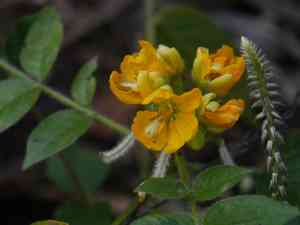
Woolly senna, recognized by its unique fuzzy foliage, thrives with trimming to sculpt its form, control its dimensions, and eliminate any lifeless or ailing limbs. The ideal period for this task is in late winter or early spring, prior to the emergence of new shoots. Reducing the density of older branches can stimulate new development and enhance air movement. Cultivators must guarantee precise cuts to avert harm. Trimming not only preserves its visual appeal but also fosters the plant's well-being and robustness.
Advantages of Trimming Woolly Senna
Advantages of Trimming Woolly Senna
Trimming woolly senna promotes robust development, ensuring a sturdy framework. Strategic cuts maintain its desired form, enhancing visual appeal and overall plant vitality.
Optimal Period for Trimming Woolly Senna
Optimal Period for Trimming Woolly Senna
Trimming woolly senna in late winter or early spring aligns with its dormant period before its active growth cycle commences. This timing allows for shaping and size management without harming new growth. Late winter pruning, prior to the final frost, stimulates vigorous spring growth, leading to a fuller, healthier plant. Early spring pruning, post-frost, ensures removal of winter-damaged branches, reducing disease and pest risks from weakened tissues. Furthermore, trimming woolly senna before its rapid spring growth phase prevents disruption to flowering or fruiting, optimizing plant health and appearance.
Essential Tools for Trimming Woolly Senna
Hand Pruners
Perfect for branches up to 3/4 inch thick, hand pruners can shape woolly senna and remove dead or diseased wood. Sharp, clean bypass or anvil pruners encourage healthy growth by making precise cuts without crushing stems.
Lopping Shears
For branches between 3/4 inch and 2 inches thick, lopping shears are ideal. They provide the necessary leverage for larger cuts and help maintain woolly senna's shape.
Pruning Saw
When encountering branches exceeding 2 inches in thickness, a pruning saw is essential. Woolly senna may possess thicker, woody branches requiring the precision and power of a saw.
Hedge Shears
If woolly senna is maintained as a hedge or shaped for landscape design, hedge shears can uniformly trim softer growth and precisely sculpt the foliage.
Pole Pruner
For elevated, out-of-reach branches, a pole pruner is useful. This tool enables trimming woolly senna without ladders, offering safety and extended reach.
Steps to Trim Woolly Senna
Clean and sharpen tools
Ensure pruning shears or loppers are clean and sharp. Sanitize tools with isopropyl alcohol to prevent disease transmission during trimming.
Remove dead branches
Carefully cut away dead branches from woolly senna, severing them at their base or back to living wood. Look for dry, brittle branches lacking green beneath the bark.
Eliminate diseased branches
Identify and remove any diseased branches on woolly senna, cutting well below affected areas to ensure all diseased tissue is gone. Dispose of these branches to prevent contamination.
Thin crown
Thin the crown if needed to improve air circulation, but avoid removing more than 1/3 of woolly senna's live branches in a single trimming session to prevent stress.
Clean up
After trimming woolly senna, clear away any fallen debris, and re-sterilize your tools to prevent disease spread to other plants.
Common Trimming Errors with Woolly Senna
Excessive trimming
Removing too much foliage, which can lead to stress and hinder woolly senna's development.
Incorrect cut placements
Cutting too close or too far from buds can impede proper healing and new growth.
Using dull tools
Dull blades can create ragged cuts, making them more vulnerable to disease and pest infestations.
Neglecting hygiene
Failing to sanitize trimming tools can spread diseases from infected plants to healthy ones.
Trimming during active growth
Cutting back woolly senna during its active growth phase can reduce its flowering potential.
Ignoring plant form
Not considering woolly senna's natural shape can result in a less visually appealing appearance.
Uneven trimming
Trimming too much from one side causes lopsided growth and can disrupt the plant's balance.
General Trimming Advice for Woolly Senna
Appropriate amount
Remove only what is necessary for health or shaping, typically no more than one-third of woolly senna's total foliage.
Clean cuts
Make precise, sharp cuts at a 45-degree angle to promote healing and minimize disease risk.
Tool sanitization
Clean and disinfect tools before and after use to prevent pathogen spread.
Identify buds
Trim just above outward-facing buds to direct new growth away from woolly senna's center.
Remove dead material
Regularly cut away dead or diseased wood to encourage woolly senna's vitality and bloom.
Consider growth pattern
Trim with woolly senna's growth habit in mind, maintaining a natural and healthy shape for aesthetic and structural integrity.
Balance trimming
Ensure even trimming around woolly senna to maintain symmetry and avoid disrupting its natural growth balance.



