How to Prune Delicate spikemoss?
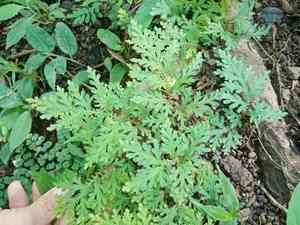
Selaginella kraussiana is a ground-hugging, perennial variety characterized by its fine, fern-like leaves. Trim Selaginella kraussiana in the latter part of winter or early spring to eliminate any deceased or compromised fronds, thereby fostering robust development. This trimming also aids in preserving its dense shape and averting an elongated appearance. Concentrate on excising any discolored or ailing portions, avoiding excessive removal of healthy segments. Consistent trimming can boost the plant's vitality and elevate its aesthetic appeal. Always employ sanitized, sharp implements to inhibit the transmission of pathogens.
What Are the Benefits of Pruning Delicate Spikemoss?
What Are the Benefits of Pruning Delicate Spikemoss?
Trimming delicate spikemoss aids in managing its dimensions and form, ensuring it remains an appealing ground cover. It encourages robust development, maintaining healthy foliage and lowering disease risk, thus keeping delicate spikemoss vibrant and resilient.
What Is the Best Time for Pruning Delicate Spikemoss?
What Is the Best Time for Pruning Delicate Spikemoss?
Trimming delicate spikemoss during early spring and late winter is ideal as these periods precede the plant's active growth phase. Pruning at these times allows for faster recovery and minimizes stress, since delicate spikemoss is not actively growing or developing new shoots. Additionally, early spring pruning helps shape the plant before vigorous growth begins, while late winter pruning removes any damaged or dead parts accumulated over colder months, promoting healthier growth as temperatures rise.
What Tools Do I Need to Prune Delicate Spikemoss?
Small, sharp scissors
Perfect for precise cuts needed for delicate spikemoss due to its small and fragile fronds. This tool minimizes harm when shaping or removing dead growth.
Tweezers
Useful for extracting tiny, dead or damaged sections without disturbing the rest of the plant. Essential for detailed work on delicate spikemoss.
Fine-toothed pruning shears
Recommended for making clean cuts on slightly thicker stems or fronds of delicate spikemoss. Helps maintain the plant's health and appearance.
Handheld mist spray bottle
While not traditional pruning tools, a mist spray bottle can assist in managing the delicate fronds of delicate spikemoss by keeping them hydrated and easier to handle during trimming.
How to Prune Delicate Spikemoss
Inspection
Examine delicate spikemoss carefully to identify any diseased or withered leaves. These parts will be easily recognizable by their discolored or shriveled appearance compared to healthy foliage.
Sterilization
Before making any cuts, sterilize your pruning tools with rubbing alcohol or a diluted bleach solution to prevent the spread of diseases.
Diseased leaves removal
Use sterilized scissors or pruning shears to carefully cut away diseased leaves at their base where they meet the stem. Ensure all affected areas are removed to prevent further disease spread.
Withered leaves removal
Gently trim the withered leaves, ensuring you cut them back to the stem or to a healthy part of the plant. Be cautious not to damage any surrounding healthy foliage during this process.
Disposal
Dispose of the removed diseased and withered leaves properly. Do not compost these clippings as they may harbor pathogens that could infect other plants.
Common Pruning Mistakes with Delicate Spikemoss
Over-pruning
One of the most frequent errors is removing too much foliage. This can stress delicate spikemoss and hinder its growth.
Incorrect technique
Using blunt or inappropriate tools can damage the delicate stems and leaves, leading to trauma or disease.
Pruning in wet conditions
Pruning when the plant is wet increases the likelihood of disease transmission and fungal growth.
Neglecting to disinfect tools
Failing to clean pruning tools between cuts can spread diseases from one part of the plant to another or between different plants.
Common Pruning Tips for Delicate Spikemoss
Use sharp, clean tools
Always use sharp and sanitized pruning shears to make clean cuts and prevent the introduction of pathogens.
Make precise cuts
Aim to cut just above a node, where new growth can sprout. This helps in controlling the shape and encourages healthy growth.
Minimal pruning
Given delicate spikemoss’s delicate structure, prune conservatively. Focus on removing dead, damaged, or diseased parts rather than shaping aggressively.
Inspect regularly
Frequent inspections can help you identify sections that might need attention, allowing for timely and minimal interventions.



