How to Prune Club spikemoss?
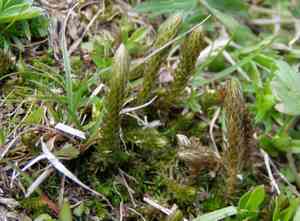
Selaginella, recognized for its mossy look and fragile leaves, thrives with consistent trimming to preserve its form and stimulate robust development. The most suitable periods for pruning are in Spring, Summer, and Autumn, aligning with its vigorous growth phases. Cut back any stems that are excessively long or compromised, and employ clean, disinfected implements to avert illness. Frequent trimming aids in enhancing air movement and diminishes the likelihood of excessive density. Be sure to remove no more than a third of the plant at once to prevent undue strain.
What Are the Benefits of Pruning Club Spikemoss?
What Are the Benefits of Pruning Club Spikemoss?
Trimming club spikemoss promotes robust development and helps maintain its compact shape. Regular cutting prevents excessive growth, ensuring the plant stays attractive and vigorous.
What Is the Best Time for Pruning Club Spikemoss?
What Is the Best Time for Pruning Club Spikemoss?
Pruning club spikemoss during Spring, Summer, and Fall aligns with its active growth periods, allowing the plant to recover and re-grow more vigorously. In Spring, trimming helps in removing any winter damage and shaping the plant as it begins its growth cycle, promoting denser foliage. Summer pruning is optimal for controlling size and maintaining an aesthetically pleasing shape. During Fall, light pruning prepares club spikemoss for dormancy, removing any dead or diseased parts, and reducing the burden on the plant's resources during winter.
What Tools Do I Need to Prune Club Spikemoss?
Small, sharp scissors or snips
Given the delicate and fine structure of club spikemoss, small, sharp scissors or snips are perfect for accurate cuts. This helps prevent harm to the small stems and leaves while ensuring healthy growth and shaping.
Fine-tipped tweezers
Considering the intricate and dense growth patterns of club spikemoss, fine-tipped tweezers can be utilized for carefully removing any dead or unhealthy sections without disturbing the surrounding plant areas.
Soft brush
To preserve the appearance and health of club spikemoss, a soft brush can be employed for gently clearing away any debris from its delicate foliage after pruning. This encourages better light and air penetration.
How to Prune Club Spikemoss
Identify
Thoroughly identify and assess the condition of each part of club spikemoss. Examine the plant for diseased leaves, withered leaves, dead branches, and diseased branches.
Clean
Utilize clean, sharp scissors or pruners to prevent the spread of disease. Sterilize your pruning tools with rubbing alcohol or a 10% bleach solution before and after use to maintain hygiene.
Cut diseased leaves
Carefully remove diseased leaves by cutting at the base of the leaf stem. Ensure not to tear or damage neighboring healthy leaves, which can cause stress to club spikemoss.
Remove withered leaves
Trim withered leaves, which are typically older and located lower on the plant. Perform cuts close to the stem, and be cautious of the plantâs delicate nature.
Prune dead
Excise dead and diseased branches by cutting at the point of origin from the main stem, or back to a main branch. This helps promote healthier regrowth and prevents future decay.
Common Pruning Mistakes with Club Spikemoss
Overpruning
A common error is removing too much foliage from club spikemoss, which can stress the plant and hinder its ability to thrive. This species does not generally require extensive cutting back, as it may compromise its delicate structure and growth.
Improper technique
Using dull or unclean pruning tools can damage club spikemoss, causing jagged cuts that poorly heal and may lead to disease intrusion. It is crucial to use sharp and sterilized tools when trimming this plant.
Neglecting health checks
Gardeners often overlook the importance of removing only unhealthy parts of club spikemoss during pruning. Removing healthy tissues can unnecessarily weaken the plant.
Common Pruning Tips for Club Spikemoss
Minimalist approach
For club spikemoss, less is more in terms of pruning. Only remove dead or damaged fronds to maintain the plant's natural shape and promote healthier growth. This approach helps to avoid stress and sustain its lush appearance.
Tool hygiene
Always use sharp, clean, and appropriate-sized tools for pruning club spikemoss to make precise cuts. This helps prevent infection and ensures quicker recovery for the plant.
Targeted pruning
Focus on selectively pruning the older, inner branches of club spikemoss to improve light penetration and air circulation. This method stimulates growth from the base and maintains the ornamental value of the plant.
Gentle handling
Handle club spikemoss gently during pruning to prevent accidental damage. Given its delicate structure, even minor mechanical damage can be detrimental.



