How to Prune Brahma kamal?
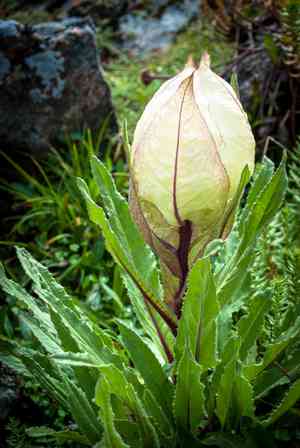
This enduring herbaceous plant flourishes in elevated, stony environments and is prized for its nocturnal blossoms. Effective trimming for brahma kamal involves excising deceased or compromised stalks to foster robust development and blooming. Trimming should be performed in late winter or early spring, prior to the emergence of fresh shoots. Caution is necessary to prevent excessive pruning, which could cause stress to brahma kamal. Consistent thinning improves air movement and lowers the likelihood of illness, thereby boosting the plant's lifespan and the vigor of its flowers.
What Are the Benefits of Pruning Brahma Kamal?
What Are the Benefits of Pruning Brahma Kamal?
Trimming brahma kamal encourages robust development and helps maintain its desired form. It promotes the plant's growth renewal and can enhance its inherent beauty. Regular trimming can make brahma kamal more resilient and better structured.
What Is the Best Time for Pruning Brahma Kamal?
What Is the Best Time for Pruning Brahma Kamal?
Trimming brahma kamal in late winter to early spring is optimal as this is just before the start of the new growth period when the plant is still dormant. Pruning at this time minimizes sap loss, which can be more noticeable in actively growing or flowering plants. It also allows the gardener to shape the plant and remove any dead or diseased tissue before new growth begins, fostering healthier development. This timing avoids cutting off buds that will become that year's flowers, as brahma kamal typically blooms after the new foliage has matured. Additionally, the cooler weather reduces the risk of pest and disease infestations that can occur in open wounds during warmer seasons.
What Tools Do I Need to Prune Brahma Kamal?
Bypass Pruners
Perfect for making clean cuts on brahma kamal's stems without causing harm, suitable for detailed work and can handle soft to moderately woody stems.
Scissors
Can be utilized for snipping off dead or yellowing leaves at the base, especially useful for delicate parts of brahma kamal where precision is necessary.
Gloves
Protect hands from thorns or rough edges while handling brahma kamal, ensuring safety during the trimming process.
How to Prune Brahma Kamal
Cleanse
Sanitize your trimming tools with isopropyl alcohol or a bleach solution to prevent the spread of disease to brahma kamal.
Inspect
Closely examine brahma kamal for signs of diseased or withered leaves. Look for discoloration, spots, or any signs of decay.
Trim Diseased
Carefully trim off diseased leaves at the base where they meet the stem, using sharp pruning shears. Make a clean cut to promote healing and reduce stress on brahma kamal.
Trim Withered
Remove withered leaves by cutting at the base of the leaf stalk. Withered leaves are typically dry, brown, and can be easily identified against the healthy green foliage of brahma kamal.
Dispose
Dispose of all removed diseased and withered leaves properly, away from healthy plants to avoid contamination or spreading of pathogens.
Common Pruning Mistakes with Brahma Kamal
Overpruning
Removing too much foliage from brahma kamal can stress the plant, leading to poor growth or reduced flowering. It's crucial to be conservative and prune only what is necessary.
Improper Tool Use
Using dull or dirty trimming tools can damage brahma kamal's stems and create jagged cuts that are susceptible to disease.
Lack Of Selectivity
Indiscriminate cutting without selecting specific stems or leaves can result in an unnatural appearance and potentially harm brahma kamal's growth pattern.
Ignoring Diseased Material
Failing to remove diseased or damaged parts of brahma kamal can allow problems to spread and worsen the plant's health.
Pruning Active Growing Parts
Cutting into the actively growing tips of brahma kamal can inadvertently limit the plant's flowering potential.
Common Pruning Tips for Brahma Kamal
Sterile Technique
Always use clean, sharp trimming shears to make precise cuts on brahma kamal, reducing the risk of disease transmission and promoting quicker healing.
Selective Pruning
Carefully select only the stems and leaves that are dead, diseased, or overgrown, maintaining brahma kamal's natural shape and vigor.
Angle Cuts
Make angled cuts on brahma kamal's stems to allow water to run off and prevent rot, which is especially important for this species prone to water-induced diseases.
Timing Of Pruning
Though not specifying the season, it is important to be aware of brahma kamal's growth cycle to prune at a time when it won't inhibit flowering or new growth.
Post-Pruning Care
After trimming brahma kamal, ensure the plant receives adequate water and nutrients to support its recovery and boost its resilience.



