How to Prune Purple pitcher plant?
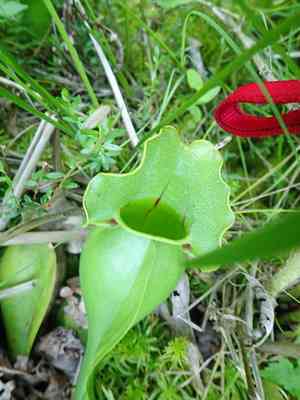
The purple pitcher plant, a carnivorous species featuring tubular leaves that ensnare and consume insects, thrives with regular trimming to eliminate deceased or compromised foliage, fostering more robust development. Cut back aged pitchers in late winter or early spring, prior to the emergence of new growth. After flowering, remove spent blooms if you do not wish for seed formation, thereby preserving the purple pitcher plant's vitality for leaf expansion. While pruning can occur throughout the year, concentrating on the plant's dormant phase yields optimal outcomes. This practice sustains its visual attractiveness and guarantees the production of strong, unimpeded new pitchers.
What Are the Benefits of Pruning Purple Pitcher Plant?
What Are the Benefits of Pruning Purple Pitcher Plant?
Trimming purple pitcher plant promotes abundant flowering, ensures robust development, and maintains a compact, attractive shape. Regular cutting prevents overcrowding, fostering healthier specimens.
What Is the Best Time for Pruning Purple Pitcher Plant?
What Is the Best Time for Pruning Purple Pitcher Plant?
The recommended pruning period of late winter to early spring coincides with purple pitcher plant's dormant phase. This timing allows for the removal of old pitchers before new growth emerges, minimizing plant stress and reducing disease transmission risk. It's also ideal for eliminating any damaged or dead tissue to encourage the plant to produce healthy new pitchers and flowers. Additionally, autumn can be suitable for minor tidying to prepare purple pitcher plant for winter. Regular trimming throughout the growing season is not advised, as pitchers are crucial for the plant's photosynthesis and nutrient uptake.
What Tools Do I Need to Prune Purple Pitcher Plant?
Sterilized Precision Scissors
Given the delicate nature of purple pitcher plant's pitcher-shaped leaves, precision scissors enable accurate cuts without harming adjacent pitchers. Sterilization prevents disease spread.
Fine-tipped Pruners
These pruners allow gardeners to access tight spaces between purple pitcher plant's pitchers, making precise snips to remove dead or dying foliage.
Gentle Grip Tweezers
For removing debris and dead insects from purple pitcher plant's pitchers, tweezers with a gentle grip minimize damage to the plant's sensitive structures while preserving its health.
Soft-bristled Brush
This brush is used to gently clean around the base and exterior of purple pitcher plant's pitchers, ensuring cleanliness without harming the plant's surface.
Disposable Gloves
When pruning purple pitcher plant, gloves protect the gardener's hands from the plant's digestive enzymes and also shield the plant from oils and contaminants on human skin.
How to Prune Purple Pitcher Plant
Sanitize
Before pruning purple pitcher plant, ensure all cutting tools are sterilized to prevent disease transmission. Use a solution of 1 part bleach to 9 parts water or rubbing alcohol to clean blades.
Remove Diseased Leaves
Carefully cut away any diseased leaves from purple pitcher plant at the base where the leaf meets the rhizome. Avoid tearing the leaves as this can create entry points for pathogens.
Trim Withered Parts
Trim off withered leaves and dead branches of purple pitcher plant using sharp scissors or pruning shears, cutting at the base to maintain a clean appearance. Remove withered flowers by snipping them off at the nearest intersection with healthy tissue.
Discard Diseased Materials
Dispose of any removed diseased leaves or branches of purple pitcher plant promptly and separately from healthy plant material to prevent the spread of pathogens.
Post Pruning Care
After pruning purple pitcher plant, water the plant thoroughly and provide appropriate care to encourage healthy new growth. Monitor the plant regularly for any signs of stress or disease.
Common Pruning Mistakes with Purple Pitcher Plant
Over-Pruning
Removing too much foliage at once can stress purple pitcher plant, leading to poor growth and reduced vigor. Aim to prune only what is necessary.
Cutting Healthy Pitchers
Some gardeners mistakenly remove healthy pitchers, which are crucial for purple pitcher plant's photosynthesis and nutrient intake. Only prune pitchers that are dead or damaged.
Improper Tools
Using dull or unclean cutting tools can damage purple pitcher plant's tissues, making it more susceptible to disease. Always use sharp, sterilized pruners.
Pruning During Active Growth
Avoid pruning purple pitcher plant when it's producing new pitchers, as this is when the plant's energy reserves are focused on growth.
Discarding All Trimmed Parts
A mistake is to throw away all pruned materials, whereas old leaves and pitchers can be examined for pests or disease, which can inform about purple pitcher plant's health.
Common Pruning Tips for Purple Pitcher Plant
Sanitation
Clean your pruning tools before and after use to prevent the spread of diseases to purple pitcher plant.
Dead Or Damaged Pitchers
Focus on removing only the brown, blackened, or damaged pitchers to allow purple pitcher plant to redirect energy to healthier growth.
Angle Of Cuts
Make cuts at an angle, so water runs off the cut surface, reducing the risk of rot or disease for purple pitcher plant.
Minimal Disturbance
Prune with a gentle hand to minimize disturbance to purple pitcher plant's roots and surrounding soil.
Monitor Plant'S Reaction
Keep an eye on how purple pitcher plant responds after pruning to adjust practices if needed, ensuring it maintains vigor and health.



