How to Prune Water spangles?
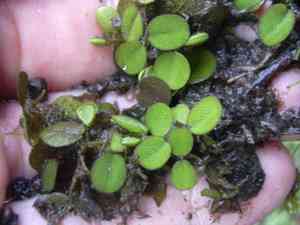
This aquatic fern flourishes in calm water and is identifiable by its tiny, buoyant foliage. For Salvinia minima, trimming entails eliminating aged, discolored fronds and dense groupings to ensure adequate light and prevent decay. The best times for pruning are from spring to autumn, coinciding with its vigorous development. Consistent trimming manages its expansion and contributes to ecological equilibrium. Employ sterile cuts to avert plant distress and propagate robust cuttings if preferred. Prune sparingly, as Salvinia minima offers shelter and infuses oxygen into the water.
Advantages of Trimming Water Spangles?
Advantages of Trimming Water Spangles?
Trimming water spangles promotes vigorous development and manages its dimensions, preventing excessive growth that could endanger pond environments by blocking sunlight and depleting oxygen.
Optimal Time for Trimming Water Spangles?
Optimal Time for Trimming Water Spangles?
Trimming or cutting water spangles during Spring, Summer, and Fall aligns with the plant's active growth phases. During these seasons, water spangles is actively developing, allowing for swift recovery from any trimming or cutting. This timing ensures that any removed fronds are quickly replaced, maintaining the plant's health and appearance. Furthermore, trimming before Winter helps prevent any potential decay from impacting the plant during colder months when its growth rate slows. Trimming at this time also helps control the spread of water spangles, preventing overgrowth and ensuring good water quality by enabling light penetration and minimizing the risk of oxygen depletion in the water body.
Necessary Tools for Trimming Water Spangles?
Fine Mesh Net or Skimmer
Given that water spangles is an aquatic plant floating on the water's surface, a fine mesh net or skimmer is perfect for gently collecting and removing surplus growth without harming the remaining plants. This tool enables the gardener to easily manage the plant population in a pond or aquarium.
Aquarium Tweezers
For more precise management when thinning out smaller clusters or individual specimens of water spangles, long aquarium tweezers are beneficial. They allow for careful selection and removal of plants, which is vital for maintaining a healthy and attractive display.
Gloves
Although not a cutting tool, wearing gloves is advisable when handling water spangles to protect skin from potential irritation and to prevent the transfer of hand oils that might affect the aquatic environment's health.
How to Trim Water Spangles
Identify
Examine water spangles for shriveled or decaying leaves that require removal; these are typically discolored or collapsed, contrasting with the healthy, green, floating foliage.
Remove
Gently skim the water's surface to collect the withered leaves of water spangles. Use a small net or your hand to lift them from the water, taking care not to harm adjacent healthy parts.
Sanitize
Dispose of the removed material away from the water body to prevent decay and potential reinfestation or contamination of the water with pathogens and pests.
Maintain
Regularly observe water spangles for new growth and promptly remove any withered leaves to preserve water quality and ensure optimal light exposure and space for healthy leaves.
Balance
Balance the quantity of water spangles removed with the plant population's health and the needs of the water body ecosystem to avoid over-trimming and maintain ecological equilibrium.
Common Trimming Errors with Water Spangles
Over-trimming
Removing too many fronds at once can stress water spangles, potentially leading to poor growth and vitality.
Incorrect tool usage
Using dull or dirty trimming tools can damage water spangles's delicate fronds and introduce harmful pathogens.
Neglecting health checks
Failing to inspect water spangles for signs of disease or pest infestation before trimming can spread problems to healthy areas.
Ignoring regeneration
Not considering water spangles's rapid regeneration rate when trimming can result in a quick rebound of growth, possibly necessitating more frequent maintenance.
Trimming healthy growth
Indiscriminately cutting healthy fronds rather than targeting overgrown or unhealthy areas can diminish water spangles's aesthetic appearance and robustness.
General Trimming Advice for Water Spangles
Regular upkeep
Regularly remove dead or dying fronds to encourage healthy growth in water spangles without drastically reducing its size.
Utilize sharp tools
Always use sharp, clean scissors or trimming shears to make precise cuts and avoid tearing the fronds of water spangles.
Moderate trimming
Trim conservatively, targeting only areas that are overgrown or disrupting balance within water spangles's environment, to sustain its health and appearance.
Post-trimming care
After trimming, monitor water spangles for signs of stress and maintain appropriate water quality and nutrient levels to support its recovery and growth.
Strategic removal
Selectively remove fronds that are shading others to allow light to penetrate evenly across water spangles, promoting uniform growth and distribution.



