How to Prune Myrtle-leaf willow?
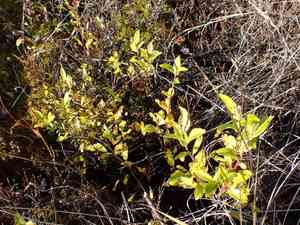
The myrtle-leaf willow, a robust deciduous shrub, is recognized for its inherent ability to withstand damp environments and its lustrous foliage. Perform pruning on myrtle-leaf willow in the early spring, prior to the emergence of new shoots. Concentrate on excising any lifeless or ailing branches to enhance air movement and sculpt the plant's form. Shorten any overly elongated or frail stems to stimulate compact, thriving development. Refrain from extensive pruning to avert undue strain. Consistent trimming preserves the plant's vibrant look and contributes to its general well-being.
What Are the Benefits of Pruning Myrtle-leaf Willow?
What Are the Benefits of Pruning Myrtle-leaf Willow?
Trimming myrtle-leaf willow encourages robust development, maintains its form, and prevents excessive density.
What Is the Best Time for Pruning Myrtle-leaf Willow?
What Is the Best Time for Pruning Myrtle-leaf Willow?
Pruning myrtle-leaf willow in early spring is ideal because it aligns with the plant's inactive period, reducing stress and encouraging vigorous regrowth. Trimming before the start of the growing season allows wounds to heal more quickly, lowering the chance of disease. Furthermore, this timing avoids disrupting blooming or fruiting cycles, ensuring maximum aesthetic and reproductive potential.
What Tools Do I Need to Prune Myrtle-leaf Willow?
Bypass Pruners
Perfect for making precise cuts on small to medium branches up to 1 inch in diameter. They ensure a clean cut that promotes rapid healing.
Loppers
Useful for cutting thicker branches between 1-2 inches. Their extended handles provide greater leverage, simplifying the pruning of tougher areas.
Pruning Saw
Essential for cutting branches thicker than 2 inches. The saw's design allows for smooth, efficient cuts that minimize harm to the plant.
Pole Pruner
Helps reach elevated branches without needing a ladder, ensuring safety and convenience when trimming taller sections of myrtle-leaf willow.
Hand-held Shears
Excellent for shaping and maintaining the finer details of myrtle-leaf willow, especially when dealing with young shoots or smaller branches.
How to Prune Myrtle-leaf Willow
Inspection
Carefully examine myrtle-leaf willow for any diseased leaves, withered leaves, dead branches, and diseased branches. Identify these parts accurately to ensure effective pruning.
Sanitization
Sterilize your pruning tools using a disinfectant solution such as a 70% isopropyl alcohol mixture. This step is crucial to prevent the spread of any disease within myrtle-leaf willow.
Removal
Begin by cutting away diseased leaves and branches using sharp, clean pruners. Make clean cuts just above a healthy leaf node or branch junction to promote proper healing. Dispose of the diseased plant material to prevent contamination.
Trim withers
Remove all withered leaves and any dead branches from myrtle-leaf willow. Cut back to the main stem or to a healthy lateral branch, ensuring clean cuts to avoid damaging the plant.
Cleanup
After pruning, clean up all fallen leaves and cut branches around myrtle-leaf willow to maintain good hygiene and prevent the potential spread of disease. Dispose of the removed plant material responsibly.
Common Pruning Mistakes with Myrtle-leaf Willow
Improper Technique
Many gardeners make the mistake of using blunt or inappropriate tools that can cause ragged cuts, increasing the plant's vulnerability to disease and pest infestations.
Over-pruning
Excessively cutting back branches can stress the plant, stunt growth, and inhibit flowering. This is particularly harmful for myrtle-leaf willow, which relies on sufficient foliage to thrive.
Incorrect Cut Placement
Making cuts too close to the stem or leaving long stubs can hinder healing and lead to disease. Proper cut placement is crucial for myrtle-leaf willow's health.
Neglecting Dead or Diseased Wood
Failing to remove dead, diseased, or damaged branches can allow these issues to spread. It's important to address these problems promptly to maintain myrtle-leaf willow's overall health.
Common Pruning Tips for Myrtle-leaf Willow
Use Sharp, Clean Tools
Ensure your pruning shears, loppers, or saws are sharp and clean before starting. This helps achieve clean cuts and minimizes the risk of introducing pathogens.
Remove Dead Wood First
Start by removing any dead, diseased, or broken branches. This helps the plant direct its energy towards healthy growth.
Cut at an Angle
Make cuts at a 45-degree angle just above a bud or a branch intersection. This encourages water runoff and helps prevent decay.
Thin Out Dense Growth
Thinning out crowded areas improves air circulation and light penetration, fostering a healthier environment for myrtle-leaf willow. Focus on removing branches that cross or rub against each other.
Be Conservative
When pruning myrtle-leaf willow, it's better to make several small, strategic cuts instead of drastically cutting back large sections. This reduces stress and helps maintain the plant's natural shape.



