How to Prune Giant pussy willow?
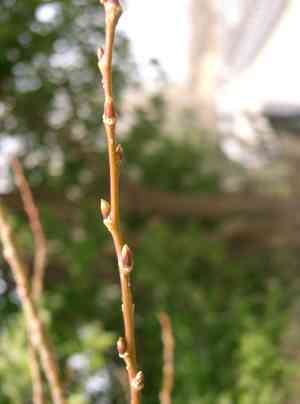
Salix chaenomeloides is recognized for its impressive catkins and robust development. Perform pruning in late winter to early spring, prior to the emergence of new shoots, to sculpt the plant and eliminate any deceased or compromised branches. Concentrate on reducing density in congested zones to foster better air movement and light exposure. This practice stimulates more robust growth and amplifies blooming. Consistent upkeep pruning aids in controlling dimensions and cultivating a sturdy framework. Always employ sanitized, keen implements to avert illness.
Advantages of Trimming Giant Pussy Willow
Advantages of Trimming Giant Pussy Willow
Giant pussy willow thrives with trimming, which encourages robust development and maintains its form. Pruning helps manage size, boosts blooming, and enhances resistance to pests and diseases, ensuring a healthier, more appealing plant.
Optimal Time for Trimming Giant Pussy Willow
Optimal Time for Trimming Giant Pussy Willow
Trimming giant pussy willow in late winter to early spring helps minimize sap loss and lowers disease risk. This timing also improves airflow and light penetration as the plant prepares for its active growth phase. Pruning during these periods ensures wounds heal before new growth and flowering begin, promoting overall plant health and vigorous blooms.
Required Tools for Trimming Giant Pussy Willow
Bypass Pruners
Essential for making clean cuts on stems up to 1/2 inch in diameter. Perfect for managing new growth and smaller branches of giant pussy willow.
Loppers
Crucial for cutting thicker branches between 1/2 to 1 1/2 inches in diameter. Longer handles provide extra leverage, useful for shaping giant pussy willow.
Pruning Saw
Best for removing larger branches over 1 1/2 inches in diameter. Its sharp blade ensures precise cuts, reducing damage to giant pussy willow.
Long-handled Pruners
Helpful for reaching higher branches without a ladder. Allows for safe trimming of upper parts of giant pussy willow.
Hedge Shears
Useful for shaping and trimming finer branches and twigs. Aids in maintaining the desired form of giant pussy willow.
How to Trim Giant Pussy Willow
Identification
Carefully inspect giant pussy willow to locate dead and diseased branches. Dead branches appear dry and brittle, while diseased ones may show discoloration, spots, or oozing.
Sanitization
Disinfect your pruning tools with a 10% bleach solution or 70% isopropyl alcohol to prevent disease transmission.
Dead branch removal
Cut dead branches back to the nearest healthy bud or branch. Make a clean, angled cut to encourage proper healing and prevent water accumulation.
Diseased branch removal
Remove diseased branches by cutting at least 6-12 inches below any visible signs of illness. Dispose of these cuttings away from the garden to avoid contamination.
Cleanup
After all necessary cuts, clean all pruning tools again to ensure no pathogens transfer to other plants. Inspect giant pussy willow to confirm the plant is open, well-ventilated, and shows no further signs of distress.
Frequent Trimming Errors with Giant Pussy Willow
Incorrect pruning angle
Many gardeners prune at a steep or wrong angle, which can impede healing and cause water to collect on the cut surface, potentially leading to illness.
Excessive removal
New gardeners often remove too much growth at once, which can shock giant pussy willow and diminish its vigor and flowering potential.
Neglecting diseased or dead wood
Failing to prioritize the removal of diseased or dead wood can spread diseases and pests, impacting overall plant health.
Using dull tools
Dull or unsuitable tools create jagged cuts, making giant pussy willow more vulnerable to disease and slow healing.
Haphazard pruning
A lack of a clear strategy can result in an uneven shape and disrupt the natural growth pattern of giant pussy willow.
General Trimming Advice for Giant Pussy Willow
Utilize clean tools
Always use sharp and clean pruning tools to make precise cuts and prevent disease spread.
Cut at node or bud
Trim just above a node (the point where a leaf attaches to the stem) or bud to encourage healthy new growth.
Thin out crowded branches
Remove some of the dense branches from the plant's center to improve air circulation and light penetration, crucial for healthy growth.
Remove diseased or dead wood first
Begin by removing any dead, damaged, or diseased branches to maintain plant health and prevent disease spread.
Follow natural shape
Adhere to the natural form of giant pussy willow when trimming to maintain a balanced appearance and promote structural integrity.
Trim regularly
Regular, light trimming is preferable to infrequent, heavy pruning. This approach encourages steady growth and maintains the plantâs health.



