How to Prune Woolly willow?
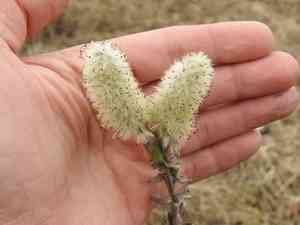
Salix lanata is recognized by its fuzzy foliage and robust development. The most effective time for trimming is in early spring or late winter to foster sound growth and form. Methods involve excising deceased or impaired limbs and thinning to improve air movement. Trimming stimulates strong development and deters ailments. It is advantageous to concentrate on preserving a symmetrical framework and eliminating any intersecting branches that might inflict harm.
Advantages of Trimming Woolly Willow
Advantages of Trimming Woolly Willow
Woolly willow needs trimming to encourage robust development, maintain its form, and enhance its general look. Pruning also aids in resisting pests and illnesses, ensuring a healthier specimen. Regular cutting improves air circulation and allows for better light penetration, crucial for strong growth.
Optimal Period for Pruning Woolly Willow
Optimal Period for Pruning Woolly Willow
Pruning or trimming woolly willow is best done in early spring or late winter. During these periods, woolly willow is dormant, meaning its growth has slowed, and it is less likely to suffer stress from pruning. This timing also supports healthy new growth as the plant enters its active growing season. By pruning before new growth begins, gardeners can help ensure strong structural development and minimize disease risks. Additionally, early spring pruning allows for improved air circulation and sunlight penetration, which are vital for woolly willow's overall health and vigor. Following these guidelines ensures optimal health and aesthetic appeal of woolly willow throughout the year.
Necessary Tools for Pruning Woolly Willow
Hand Pruners
Perfect for precise cuts on smaller branches and twigs of woolly willow, common in its shrub-like form.
Lopping Shears
Most suitable for cutting thicker branches, enabling effective shaping and size management of woolly willow.
Pruning Saw
Essential for removing larger, woody stems that can develop as woolly willow matures.
Gloves with Forearm Protection
Protective gear to shield hands and arms from any potential sharp twigs or branches when handling woolly willow.
Method for Pruning Woolly Willow
Evaluate
Thoroughly inspect woolly willow to identify dead and diseased branches. Use clean, sharp pruning shears for accurate cuts.
Remove Dead
Cut off dead branches back to healthy tissue, making clean cuts just above a bud or branch junction.
Remove Diseased
Prune diseased branches at least 6 inches below the affected area to eliminate all infected wood. Dispose of cuttings properly to prevent disease spread.
Clean Tools
Sanitize pruning tools with a sterilizing solution after each cut to prevent cross-contamination, especially when dealing with diseased branches.
Shape
After removing dead and diseased parts, lightly trim to shape the plant, ensuring not to remove more than 25% of the overall growth to maintain health and vigor.
Common Pruning Errors with Woolly Willow
Excessive Pruning
Removing too many branches can stress woolly willow, leading to poor growth and reduced flowering. This error can weaken the plant and make it vulnerable to diseases.
Incorrect Technique
Using dull or unclean tools can create uneven cuts and inflict wounds on woolly willow. This can result in infections and decay.
Pruning in Wrong Areas
Cutting randomly without identifying the correct branches to prune can disrupt the plant structure and impact its overall shape and health.
General Pruning Advice for Woolly Willow
Utilize sharp and clean tools
Ensure pruning shears or saws are sharp and sterilized to make clean cuts that heal quickly, reducing the risk of infection.
Focus on dead or damaged branches
Prioritize removing dead, damaged, or diseased branches to promote air circulation and encourage healthy growth in woolly willow.
Execute proper cuts
Cut just above a bud facing the direction you want new growth to go. This encourages outward growth and prevents inward crowding.
Maintain plant structure
Preserve the natural shape of woolly willow by selectively thinning out crowded branches rather than shearing blindly. Thinning promotes light penetration and air circulation.



