How to Prune Perennial glasswort?
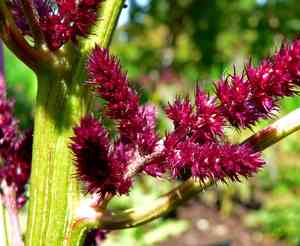
A unique succulent, perennial glasswort flourishes in salty conditions, identified by its plump, segmented stalks. Trim perennial glasswort during the spring and summer seasons to foster denser development and preserve the plant's well-being. Eliminate deceased or injured stems and reduce crowded sections to boost air circulation. Consistent trimming also helps prevent infestations and illnesses, boosting its general vigor. Utilize sharp, sanitized implements for accurate incisions, guaranteeing negligible harm to the plant's delicate structures.
What Are the Benefits of Pruning Perennial Glasswort?
What Are the Benefits of Pruning Perennial Glasswort?
Trimming perennial glasswort encourages robust development and helps maintain its desired form. Consistent cutting ensures thick, strong growth suitable for its use in landscaping and culinary applications.
What Is the Best Time for Pruning Perennial Glasswort?
What Is the Best Time for Pruning Perennial Glasswort?
Pruning perennial glasswort during Spring and Summer aligns with the plant's active growth phase, allowing it to recover and grow more vigorously after the cuts. Spring pruning, particularly, helps in removing any dead or damaged parts from winter, setting perennial glasswort up for healthier growth as temperatures rise. Summer pruning, meanwhile, can be beneficial for shaping the plant and controlling its spread, ensuring perennial glasswort maintains desired aesthetics and does not overwhelm its space. These seasons ensure the cuts heal faster, reducing the risk of disease while promoting healthier, more structured growth.
What Tools Do I Need to Prune Perennial Glasswort?
Sharp Scissors or Snips
Given the fleshy, succulent nature of perennial glasswort, sharp scissors or snips are ideal for making clean cuts. This prevents damage to the delicate tissues and reduces the risk of disease entry.
Pruning Shears
For thicker stems or more mature plants, a pair of sharp pruning shears can provide the necessary leverage and precision. Ensure the blades are clean and rust-free to maintain plant health.
How to Prune Perennial Glasswort
Identification
Identify and examine the diseased and withered leaves and stems on perennial glasswort. Carefully observe for any signs of fungal infections or rot, which often appear as spots, discolorations, or deformed segments.
Preparation
Prepare your pruning tools. Ensure that sharp, clean shears or scissors are used to avoid tearing or uneven cuts on perennial glasswort. Sterilize the blades with alcohol or a bleach solution to prevent the spread of disease.
Pruning leaves
Carefully prune all diseased and withered leaves from perennial glasswort. Make the cuts close to the base without damaging the healthy adjacent tissue. Remove each leaf individually, especially focusing on those areas showing significant signs of stress or decay.
Pruning stems
Prune diseased stems of perennial glasswort. Cut back the stems to a healthy part, ensuring you are leaving any green, vigorous growth. Avoid cutting too deeply or stripping too many leaves off the healthy stems, which can stress the plant.
Disposal
Dispose of all removed plant material properly. Do not compost diseased leaves or stems from perennial glasswort as the pathogens can spread. Instead, seal them in a bag and discard them with the trash to prevent contamination.
Common Pruning Mistakes with Perennial Glasswort
Overpruning
Removing too much foliage from perennial glasswort can shock the plant, leading to stunted growth or failure to thrive. This species is particularly vulnerable to excessive pruning.
Inappropriate tools
Using dull or unclean pruning tools can damage the delicate stems of perennial glasswort, causing bruising or introducing diseases to the plant.
Improper technique
Cutting perennial glasswort too close to the node (where leaves emerge from the stem) can prevent new growth. Conversely, leaving too long a stub can lead to dead sections that attract pests.
Common Pruning Tips for Perennial Glasswort
Clean cuts
Use sharp, clean shears to make precise cuts on perennial glasswort. This prevents damage to the tissues and promotes quicker healing.
Moderate pruning
Focus on removing only the dead or overgrown parts of perennial glasswort. Aim to trim no more than one-third of the plant at a time to maintain its health and vigor.
Judicious thinning
Regularly thin the dense areas of perennial glasswort to ensure adequate light and air circulation, which are essential for the health of the plant. This helps prevent fungal diseases and promotes even growth.



