How to Prune African violet?
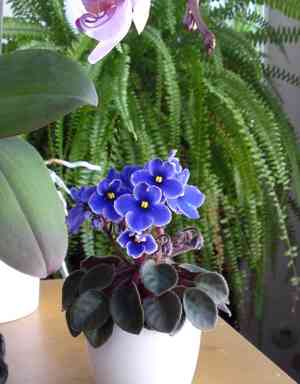
A favored indoor plant, the African violet is recognized for its soft foliage and vivid blossoms. Effective trimming entails detaching withered or discolored leaves at their stalk bases and clipping faded flowers to stimulate renewed blooming. Pruning is optimally performed continuously as required. Consistent trimming deters elongated stalks and fosters a dense, full development, boosting the plant's visual attractiveness. Precise cutting enhances air movement and light penetration, which contributes to general well-being and flower yield.
What Are the Benefits of Pruning African Violet?
What Are the Benefits of Pruning African Violet?
Trimming african violet promotes abundant flowering, ensures strong development, and preserves the plant's compact shape, which is vital for its decorative appeal.
What Is the Best Time for Pruning African Violet?
What Is the Best Time for Pruning African Violet?
The suitability of pruning african violet throughout the year stems from its continuous growth as an indoor plant. African violet lacks a dormant phase and can bloom year-round under proper conditions. Trimming in any season allows for the removal of dead or dying foliage and encourages a fuller, bushier habit, contributing to the plant's overall well-being. Pruning also aids in maintaining an attractive form and size, especially beneficial for a compact plant like african violet. It's crucial to prune or trim as needed to prevent overgrowth and to sustain energy for flowering. Regular removal of spent blooms and withered leaves ensures that the plant's resources are directed towards new growth and flower production.
What Tools Do I Need to Prune African Violet?
Fine-tipped Pruning Shears
Given the delicate nature of african violet's leaves and stems, fine-tipped pruning shears are perfect for making precise cuts without harming surrounding foliage.
Small, Sharp Scissors
Small, sharp-bladed scissors are excellent for accurately snipping away dead or dying african violet flowers, thereby preventing damage to healthy plant parts.
Tweezers
Tweezers can be employed to carefully remove dead or yellowing leaves from african violet, particularly those difficult to reach with shears or scissors.
Soft Brush or Blower
A soft brush or gentle blower can be utilized to clear away debris and trimmings from african violet after pruning, thus maintaining a clean environment without physical contact that might injure the delicate leaves.
How to Prune African Violet
Step1: Inspect plant for pruning signs
Examine african violet carefully to spot yellow leaves, faded blossoms, and elongated stems. These indicate a need for pruning. Ensure the plant is well-watered a day prior to pruning to lessen stress on african violet.
Step2: Sanitize pruning tools
Disinfect your pruning tools using a solution of 1 part bleach to 9 parts water to prevent disease spread to african violet. Rinse tools with water and dry them before use.
Step3: Remove yellow leaves at base
To remove yellow leaves, gently support the leaf with one hand. Cut the leaf at its base where it connects to the stem using sanitized scissors. Be careful not to harm nearby healthy leaves.
Step4: Prune withered blossoms
Trim withered blossoms by snipping them off at the base of the flower stalk. Use tweezers for small or hard-to-reach flowers. Removing these spent blooms encourages african violet to focus energy on new growth.
Step5: Trim leggy stems above leaf nodes
To address leggy stems, identify where healthy foliage begins. Using sharp scissors, cut the leggy stem just above a healthy leaf node, ensuring at least a couple of healthy leaves remain on the stem. This practice stimulates new growth to produce a bushier african violet.
Step6: Clean debris post-pruning
After trimming, clear all fallen debris from the soil surface to prevent rot and disease. This maintenance step is crucial for the health of african violet.
Step7: Shape plant symmetrically
Assess the overall shape of african violet. Prune any additional leaves or stems that are disproportionate to maintain a symmetric, aesthetically pleasing form. However, avoid over-pruning as it can stress african violet.
Step8: Water plant after pruning
Water african violet lightly after pruning to aid recovery. Ensure water does not remain on the leaves as this can lead to fungal diseases.
Step9: Monitor plant for new growth
Observe african violet over the subsequent weeks for signs of new growth resulting from the pruning. Adjust care practices as needed to maintain the health and vigor of african violet.
Post-Pruning Care for African Violet
Post-Pruning Care for African Violet
Following pruning of african violet, maintain high humidity and indirect light to prevent stress. Ensure temperatures remain between 65-75°F. Water the soil when the surface is dry, avoiding wetting the foliage. Apply a balanced, diluted fertilizer to support regrowth. Regularly inspect african violet for wilting or discoloration. If signs of infection like mold appear, reduce moisture and improve air circulation. Respond promptly to any health issues to ensure african violet's robust recovery.
Common Pruning Mistakes with African Violet
Overpruning Leaves
Removing too many leaves at once, which can stress african violet and impede its ability to photosynthesize effectively.
Removing Healthy Foliage
Pruning healthy leaves instead of focusing on dead or damaged foliage, flowers, and stems, which is essential for the overall health of african violet.
Using Improper Pruning Tools
Employing dull or dirty pruning tools, which can crush the delicate stems of african violet and introduce diseases.
Common Pruning Tips for African Violet
Sharp, Sterilized Pruning Tools
Use sharp, sterilized pruning shears or scissors to make clean cuts on african violet, which will minimize damage and lower the risk of disease.
Pruning at Bloom Stalk Base
Trim dead or dying flowers right at the base of the bloom stalk to encourage african violet to produce new blooms. Be careful not to damage nearby leaves and stems.
Removing Damaged Leaves for Healthier Growth
Remove any yellowing or broken leaves by gently pulling them off at the base of the leaf stem. This helps african violet to redirect energy to healthier growth and may enhance blooming.



