How to Prune Broadleaf arrowhead?
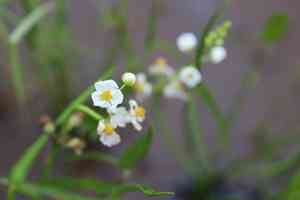
A marshland perennial characterized by its unique arrow-like foliage, Sagittaria latifolia thrives with judicious trimming to preserve its vitality and form. Snip off any deceased or discolored leaves near the base to stimulate fresh development. Perform pruning from spring through early autumn, coinciding with the plant's vigorous growth period for the best recuperation. Consistently eliminating faded flower stems can also lead to more abundant flowering. Trimming enhances robustness and minimizes organic matter in its aquatic habitat.
What Are the Benefits of Pruning Broadleaf Arrowhead?
What Are the Benefits of Pruning Broadleaf Arrowhead?
Trimming broadleaf arrowhead promotes blooming, encourages vigorous development, and maintains a neat shape, ensuring the plant stays healthy and visually pleasing while potentially preventing excessive growth in restricted areas.
What Is the Best Time for Pruning Broadleaf Arrowhead?
What Is the Best Time for Pruning Broadleaf Arrowhead?
Pruning during late spring or early summer aligns with broadleaf arrowhead's post-flowering stage. This timing avoids the initial spring growth surge when the plant is actively developing leaves and blooms. Post-flowering trimming helps prevent undue stress on broadleaf arrowhead and fosters healthier, more manageable growth. Cutting in the fall is generally not recommended as it could disrupt the plant's natural dormancy preparation cycle and increase its vulnerability to winter damage.
What Tools Do I Need to Prune Broadleaf Arrowhead?
Hand Pruners
Broadleaf arrowhead typically have tender stems that can be easily snipped with hand pruners. These tools allow for accurate cuts without harming the plant.
Pruning Shears
For slightly thicker or tougher stems, pruning shears provide a sharper cut necessary for clean removal of foliage or stems, preventing jagged edges that could invite disease.
Gloves
While not a cutting tool, sturdy gloves are crucial when pruning broadleaf arrowhead due to potential sap irritation or simply to shield hands from cuts and scrapes.
Gardening Scissors
For delicate tasks, such as thinning or shaping broadleaf arrowhead, use gardening scissors. These can help snip off unwanted growth without affecting surrounding foliage.
How to Prune Broadleaf Arrowhead
Identify
Thoroughly inspect broadleaf arrowhead for signs of diseased, damaged, or withered leaves and flowers. Focus on the base of each leaf stem to ensure a clean cut can be made without harming the plant's crown.
Sanitize
Sterilize all pruning tools before use to prevent disease spread. Use rubbing alcohol or a solution of one part bleach to nine parts water to clean the blades.
Prune leaves
Using sharp pruning scissors, cut diseased and withered leaves close to the base without damaging the main stem or adjacent healthy leaves. For diseased leaves, ensure you cut well into healthy tissue to remove all infected areas.
Prune flowers
Snip off withered flower stems at their emergence point from the leaf axil to encourage healthy new growth and potentially more blooms.
Dispose
Remove all pruned material from the vicinity of broadleaf arrowhead to prevent disease and pest spread. Dispose of diseased plant matter responsibly, avoiding composting if the disease might persist.
Common Pruning Mistakes with Broadleaf Arrowhead
Overpruning
Removing too much growth in one session, which can stress broadleaf arrowhead and impede its growth and flowering potential.
Improper cut placement
Cutting too close or too far from nodes, leading to poor healing and potential entry points for disease in broadleaf arrowhead.
Using dull tools
Employing dull pruning tools that create jagged cuts, which can harm broadleaf arrowhead by promoting disease and decay.
Pruning healthy growth
Unnecessarily cutting healthy growth, which can hinder the overall vitality and production of foliage and flowers in broadleaf arrowhead.
Neglecting cleanup
Failing to remove or compost pruned material, which can lead to pest and disease issues around broadleaf arrowhead.
Common Pruning Tips for Broadleaf Arrowhead
Clean sharp tools
Use clean and sharp pruning tools to make precise cuts, which will help broadleaf arrowhead heal faster and reduce disease risk.
Cut at node
Make cuts at a 45-degree angle just above leaf nodes to encourage healthy new growth without leaving unnecessary stubs on broadleaf arrowhead.
Reduce density
Selectively thin out dense growth to ensure light and air can penetrate the foliage, contributing to the health of broadleaf arrowhead.
Remove dead material
Regularly remove dead or dying foliage and spent flowers to maintain the aesthetic appeal and vigor of broadleaf arrowhead.
Aesthetic shape
Prune to maintain the natural shape of broadleaf arrowhead, rather than forcing it into an unnatural form, to promote its overall well-being.
Compost prunings
Compost the pruned material or dispose of it properly to prevent it from becoming a breeding ground for pests that could affect broadleaf arrowhead.



