How to Prune Sticky-stem pearlwort?
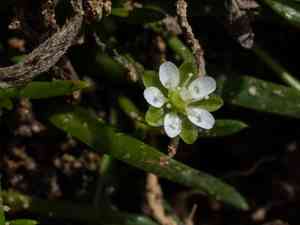
Sticky-stem pearlwort, recognized for its adhesive stalks and fragile look, necessitates cutting to sustain its well-being and strength. Perform pruning in early spring or late winter prior to the emergence of new shoots to foster vigorous growth. Concentrate on excising lifeless or injured stems and reducing dense sections to enhance air movement. This boosts the plant's general health and capacity for blooming. Consistent trimming also deters ailments and promotes a tidy, dense shape, rendering it a valuable inclusion in any landscape.
What Are the Benefits of Pruning Sticky-stem Pearlwort?
What Are the Benefits of Pruning Sticky-stem Pearlwort?
Trimming sticky-stem pearlwort encourages robust development, maintains its form, manages its dimensions, and improves its overall look. Consistent trimming lowers the chance of pests and illnesses, leading to healthier, more resilient plants. Horticultural experts emphasize that preserving sticky-stem pearlwort's structure is vital for optimal growth.
What Is the Best Time for Pruning Sticky-stem Pearlwort?
What Is the Best Time for Pruning Sticky-stem Pearlwort?
Pruning in early spring and late winter is ideal for sticky-stem pearlwort as these periods coincide with its dormant phase before new growth begins. Trimming during these seasons minimizes plant stress, fosters healthier development, prevents disease, and prepares the plant for a vigorous growing season. Additionally, pruning before the growing season encourages more abundant flowering and better overall plant vitality.
What Tools Do I Need to Prune Sticky-stem Pearlwort?
Hand Pruners
Hand pruners are perfect for precise cutting of smaller stems and branches. Utilize these for detailed and accurate cuts during delicate shaping tasks for sticky-stem pearlwort.
Pruning Scissors
Pruning scissors provide excellent control and clean cuts, which are crucial for preserving the aesthetic shape of sticky-stem pearlwort. They are suitable for trimming minor growth and removing dead or diseased parts.
Bypass Pruners
Bypass pruners are effective for cutting live stems with a clean, sharp cut. This is important to prevent crushing stems of sticky-stem pearlwort, which can heighten the risk of infection or disease.
Pruning Knife
A pruning knife is useful for more intricate work, allowing for precision when dealing with dense or tightly woven clusters found in sticky-stem pearlwort.
Disinfectant Solution
Always have a disinfectant solution available to sanitize tools before and after use. This helps prevent the spread of disease, ensuring that sticky-stem pearlwort remains healthy.
How to Prune Sticky-stem Pearlwort
Inspection
Carefully examine sticky-stem pearlwort for any diseased or withered leaves to identify areas requiring pruning.
Tools
Utilize clean, sharp scissors or pruning shears to ensure precise cuts and prevent further plant damage.
Diseased leaves
Gently trim away any diseased leaves at the base to prevent the spread of disease within sticky-stem pearlwort.
Withered leaves
Carefully remove withered leaves by cutting them back to healthy tissue to encourage new growth on sticky-stem pearlwort.
Disposal
Properly dispose of the removed diseased and withered leaves, ensuring they are not left near sticky-stem pearlwort to avoid any potential contamination.
Common Pruning Mistakes with Sticky-stem Pearlwort
Over-pruning
Removing too much foliage at once can stress sticky-stem pearlwort, making it vulnerable to diseases and impeding its growth.
Improper Tools
Using dull or dirty tools can harm the plant and introduce pathogens. It's essential to sterilize and sharpen pruning equipment before use.
Incorrect Cuts
Making rough, jagged cuts can damage plant tissues, leading to slower healing and potential infection. Always aim for clean, smooth cuts.
Ignoring Dead or Diseased Material
Failing to remove dead or diseased branches can spread infections to healthy parts of the plant.
Common Pruning Tips for Sticky-stem Pearlwort
Use Sharp, Clean Tools
Sterilize pruning shears with rubbing alcohol before and after use to prevent the spread of diseases. Ensure the blades are sharp for clean cuts.
Remove Dead or Damaged Stems
Regularly check sticky-stem pearlwort for any dead, damaged, or diseased stems and remove them promptly to maintain plant health.
Prune Lightly
Only remove a small amount of the plant at a time. This promotes gentle rejuvenation and reduces shock.
Focus on Airflow
Cut back any overcrowded branches to improve airflow through the plant. This helps reduce the risk of fungal infections.
Trim Back Spent Flowers
Regularly deadhead sticky-stem pearlwort to encourage new blooms and maintain aesthetic appeal.


