How to Prune Sugarcane?
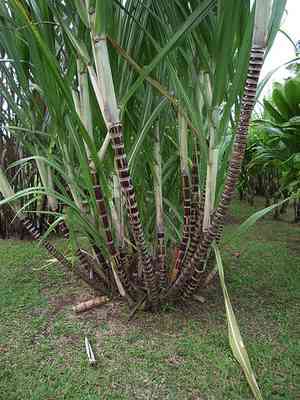
Sugarcane, a towering perennial grass flourishing in tropical environments, necessitates deliberate cutting to enhance its output. Eliminate unhealthy, deceased, and superfluous sprouts in early spring or during winter. Reducing density allows for increased sunlight and air circulation, which are crucial for sturdy stalk development. Appropriate pruning encourages plant well-being and elevated sugar levels, essential for the caliber of the harvest. Implement these methods regularly with sanitized, keen implements to encourage strong regrowth.
What Are the Benefits of Pruning Sugarcane?
What Are the Benefits of Pruning Sugarcane?
Trimming sugarcane encourages more robust, vigorous development. Regular cutting back helps maintain its form and size for optimal field management and sun exposure.
What Is the Best Time for Pruning Sugarcane?
What Is the Best Time for Pruning Sugarcane?
Pruning in early spring is ideal as it prepares sugarcane for the upcoming growth season by removing dead or damaged canes, which may have been affected by winter conditions. This timing just before the rapid growth phase ensures that the plant can recover quickly and direct energy to produce healthy shoots. Winter pruning is also favorable, right after the harvest season, as it helps to manage plant size, remove old foliage, and prevent disease spread. By pruning in winter, when sugarcane is dormant, the risk of stress to the plant is reduced, and the cut areas have time to heal before the spring growth starts, minimizing the impact of pests and diseases that are more active during warmer months.
What Tools Do I Need to Prune Sugarcane?
Heavy-Duty Machete
A machete is ideal for sugarcane due to its thick and fibrous stalks. It allows for quick and efficient cuts, which is necessary when dealing with large fields of sugarcane.
Hand Pruners
For smaller stalks or precision work, such as thinning out a small number of sugarcane stalks or cutting away diseased parts, hand pruners are suitable as they provide control and accuracy.
Pruning Saw
In case of larger and tougher sugarcane stalks, a pruning saw can be utilized. Its serrated blade is designed to handle the diameter and fibrous texture of sugarcane stalks, making it easier to saw through them.
Loppers
For mature sugarcane stalks that are too thick for hand pruners but not quite as large as those requiring a machete, loppers are the appropriate tool. Their long handles provide good leverage to make clean cuts on sugarcane.
How to Prune Sugarcane
Step1: Identifying Aged Canes
Identify the old stalks of sugarcane by looking for canes which have already been harvested or show signs of aging such as a lack of green color, stiffness, and dryness.
Step2: Sterilizing Pruning Tools
Sterilize your cutting tools before beginning to prune sugarcane to prevent disease spread. Use a solution of one part bleach to nine parts water, dip your tools in this solution, or use alcohol wipes to clean them.
Step3: Wearing Protective Gear
Wear gloves and protective clothing as sugarcane leaves can have sharp edges.
Step4: Cutting Old Stalks Cleanly
Cut the old stalks close to the ground using a sharp, clean cutting tool such as a machete or loppers, being careful to make a clean cut without damaging the surrounding stalks or the root system.
Step5: Removing Diseased Plant Parts
Inspect sugarcane for any diseased parts, which may include stalks with discolored patches, signs of fungus, mold, or rot. Isolate and remove these parts immediately to prevent further spread of the disease.
Step6: Discarding Brittle, Dry Canes
For dry sugarcane, remove any canes that are completely devoid of moisture and have a brittle, hollow appearance, as these no longer contribute to sugarcane's growth.
Step7: Diagonal Cutting Technique
Make all cuts on a diagonal to prevent water from pooling on the cut surfaces, which can lead to rot and disease.
Step8: Disposing of Pruning Debris
Gather and dispose of all the trimmed parts away from sugarcane's growing area to discourage pests and prevent fungal disease.
Step9: Cleaning Tools Post-Pruning
After pruning, clean the tools again to ensure no pathogens are transferred to the next plant or remain on the tools for future use.
Step10: Base Watering Post-Pruning
Water the sugarcane at the base, avoiding overhead watering to minimize the chances of fungal infections in newly cut areas.
Step11: Fertilizing After Pruning
Apply a suitable fertilizer to provide sugarcane with the necessary nutrients for healthy regrowth after pruning.
Step12: Monitoring Plant Health Post-Prune
Monitor sugarcane after pruning for any signs of stress or disease and provide additional care as needed, including proper irrigation, fertilization, and pest management.
Post-Pruning Care for Sugarcane
Post-Pruning Care for Sugarcane
Immediately after pruning sugarcane, irrigate the soil to support wound healing and reduce stress. Maintain optimal environmental conditions; ensure full sun exposure, high humidity, and warm temperatures between 70-95°F. Apply a balanced fertilizer to replenish nutrients and promote growth. Regularly inspect for signs of distress like wilting or discoloration and manage pests promptly. If infection signs appear, treat with an appropriate fungicide or bactericide.
Common Pruning Mistakes with Sugarcane
Using Dirty or Inappropriate Pruning Tools
Pruning tool selection and sanitation are often overlooked. Using dirty or inappropriate tools can introduce disease or damage sugarcane's stalks.
Improper Cutting Height Damages Roots or Regrowth
Cutting sugarcane too close to the soil can harm the root system, while too high a cut may prevent proper regrowth.
Over-pruning Leaves Hinders Photosynthesis
Removing too many leaves can severely limit sugarcane's photosynthesis capabilities, negatively affecting its health and growth.
Neglecting Stalk Thinning Reduces Airflow and Light
Neglecting to thin out densely packed stalks of sugarcane can reduce air circulation and light penetration, which are critical for preventing disease and encouraging even maturity.
Pruning in Wet Conditions Fosters Disease Spread
Pruning sugarcane during wet conditions can increase the likelihood of disease spread, as the moisture can facilitate the transfer of pathogens.
Common Pruning Tips for Sugarcane
Use Sharp, Clean Tools for Healthier Cuts
Use sharp, clean cutting tools to make clean cuts without crushing the stalks of sugarcane, which can promote better healing and reduce disease risks.
Cut Stalks 12-15 Inches Above Ground for Regrowth
Prune sugarcane stalks about 12 to 15 inches above the ground to encourage healthy regrowth while protecting the underlying bud zone and root system.
Leave Enough Leaves for Adequate Photosynthesis
Retain enough foliage on sugarcane to ensure sufficient photosynthesis. This usually means leaving a few fully developed leaves on each stalk.
Space Stalks Evenly to Improve Air and Light Exposure
Space out the remaining stalks of sugarcane after thinning to improve air circulation and light exposure, promoting uniform cane development and minimizing the risk of pest and disease infestation.
Remove and Discard Diseased Plant Parts Promptly
When cutting out dead or diseased parts, make sure to remove them completely from the area to avoid the spread of any potential infection in sugarcane.
Make Angled Cuts to Avoid Water Accumulation on Stalks
Always make angled cuts on sugarcane to prevent water accumulation on the cut surfaces, which can lead to rot and disease.



