How to Prune Minnieroot?
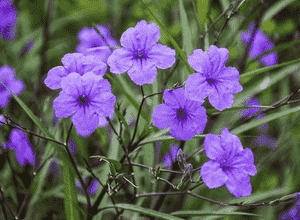
A tropical perennial recognized for its vivid blooms and therapeutic attributes, minnieroot flourishes with consistent trimming. Essential methods involve deadheading faded flowers to stimulate additional blossoms, cutting back elongated stalks to preserve form, and eliminating impaired or ailing leaves to foster robust development. The most effective pruning takes place from spring through autumn, coinciding with minnieroot's periods of vigorous expansion. Pruning boosts plant vitality and blooming capacity while averting excessive growth and typical disease problems.
What Are the Benefits of Pruning Minnieroot?
What Are the Benefits of Pruning Minnieroot?
Trimming minnieroot promotes abundant flowering, preserves its desired shape, and stimulates vigorous development, ensuring the plant stays healthy and visually pleasing.
What Is the Best Time for Pruning Minnieroot?
What Is the Best Time for Pruning Minnieroot?
Pruning minnieroot in spring aids in removing any winter-damaged or dead leaves, preparing minnieroot for its active growth period. During early summer, following the initial burst of growth, trimming can shape the plant and encourage further density. Late fall pruning, once flowering has ceased, allows gardeners to cut back minnieroot to manage its size and prevent it from becoming sparse. These periods avoid the plant's peak flowering phase and ready minnieroot for dormancy, ensuring plant vitality and plentiful blooms in the subsequent cycle.
What Tools Do I Need to Prune Minnieroot?
Bypass Pruners
Perfect for making neat cuts on 'minnieroot' stems without crushing plant tissues, suitable for precise trimming tasks.
Gloves
Protects hands from thorns or sharp edges when pruning 'minnieroot', ensuring safety during the process.
Pruning Saw
Useful for cutting thicker, woodier stems of older 'minnieroot' plants that bypass pruners cannot handle.
Long-Handled Loppers
Provides leverage and reach for pruning larger 'minnieroot' bushes without straining the back or arms.
Pruning Shears
Effective for shaping and maintaining the desired appearance of 'minnieroot', allowing for quick snips of smaller stems.
Garden Knife
Assists in cutting through denser root clumps of 'minnieroot' when dividing the plant, offering precision and control.
How to Prune Minnieroot
Clean Tools
Before beginning, sterilize pruning shears with alcohol or a bleach solution to prevent the spread of disease to minnieroot.
Remove Diseased Leaves
Carefully identify and cut away any diseased leaves from minnieroot, making clean cuts at the base of the leaf stem to avoid damaging healthy tissue.
Trim Withered Leaves
Locate and prune withered leaves from minnieroot by clipping them at their bases, ensuring to remove the entire leaf to promote healthy growth and improve air circulation.
Deadhead Flowers
Deadhead the withered flowers of minnieroot by snipping them off at the base of the flower stem to encourage more blooms and maintain a tidy appearance.
Dispose Of Debris
Dispose of all removed plant material appropriately, away from minnieroot, to reduce the risk of disease and pest infestation.
Common Pruning Mistakes with Minnieroot
Overpruning
Removing too much foliage or too many stems at once can stress minnieroot, leading to stunted growth or the plant not flowering properly.
Uneven Cuts
Making slanted or unclean cuts can harm minnieroot by creating wounds that don't heal properly, opening up the plant to pests and diseases.
Neglecting Tools
Utilizing dull or dirty pruning tools can damage the stems of minnieroot and introduce harmful pathogens.
Excessive Watering
Watering minnieroot too much after pruning can lead to root rot since the plantâs water requirements may be reduced when it has less foliage to support.
Common Pruning Tips for Minnieroot
Clean Cuts
Use sharp, clean pruning shears to make straight cuts, as this helps minnieroot heal faster and reduces the risk of disease.
Correct Technique
Prune branches at a 45-degree angle about 1/4 inch above a leaf node or bud, which encourages new growth in minnieroot.
Plant Structure
Maintain a good plant structure by selectively pruning crowded areas to improve light penetration and air circulation for minnieroot.
Rejuvenation
Periodically perform rejuvenation pruning by cutting back leggy or sparse branches to stimulate new growth and keep minnieroot compact.



