How to Prune Strawberry raspberry?
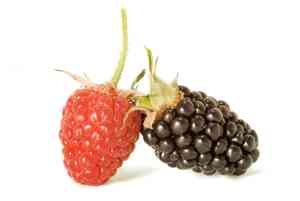
The Rubus illecebrosus, or balloon berry, is recognized for its distinctive blend of raspberry-like fruit and strawberry-like growth pattern. Perform pruning in late winter or early spring, prior to the emergence of new shoots. Eliminate any dead or compromised stems and thin out densely packed sections to enhance air movement. Trim back the canes from the preceding season to encourage robust development and fruit bearing. Consistent trimming boosts fruit yield and sustains the plant's well-being. Always disinfect your tools to avert the dissemination of pathogens.
What Are the Benefits of Pruning Strawberry Raspberry?
What Are the Benefits of Pruning Strawberry Raspberry?
Trimming strawberry raspberry encourages robust development, maintains its form, boosts fruit production, and enhances its look. Eliminating dead or diseased branches helps prevent pest issues and the spread of illness, ensuring the plant stays healthy and strong. Regular trimming stimulates new growth and keeps the plant manageable.
What Is the Best Time for Pruning Strawberry Raspberry?
What Is the Best Time for Pruning Strawberry Raspberry?
Trimming or cutting back strawberry raspberry during early spring and late winter is optimal because this period aligns with its dormant phase, minimizing plant stress. The dormant season is vital for strawberry raspberry as it helps avoid interfering with its active growth cycle and flowering times. Additionally, pruning during these periods helps manage the plant's size, promotes healthy new growth, and lowers disease risk. Cutting back strawberry raspberry before new growth begins ensures the plant has the entire growing season to recover and thrive.
What Tools Do I Need to Prune Strawberry Raspberry?
Bypass Pruners
Perfect for cutting smaller branches and stems due to their precise cutting action.
Loppers
Useful for severing thicker branches that are too large for bypass pruners.
Pruning Saw
Required for handling any significantly thicker or older stems.
Gloves
Crucial for safeguarding hands from the plant's thorns.
Sharpening Stone
Keeps cutting tools sharp for clean cuts, minimizing plant harm.
How to Prune Strawberry Raspberry
Inspect
Thoroughly examine strawberry raspberry for any diseased leaves, withered leaves, dead branches, and diseased branches. Look for indicators such as discoloration, wilting, or fungal presence.
Sterilize
Before beginning the pruning process, sanitize your pruning tools with rubbing alcohol or a bleach solution to prevent disease transmission.
Remove diseased leaves
Carefully cut off any diseased leaves, ensuring cuts are made at the base of the petiole to eliminate the entire affected area.
Trim withered leaves
Trim any withered leaves at their base, taking care not to harm adjacent healthy growth.
Cut dead and diseased branches
Identify and prune dead and diseased branches back to healthy tissue or to the main stem. Make clean cuts to encourage healing and reduce the chance of disease entry.
Common Pruning Mistakes with Strawberry Raspberry
Over-pruning
Removing too much foliage can stress strawberry raspberry and decrease its fruit production capacity. Aim for a balanced approach where only the necessary amount is pruned.
Pruning at the wrong time
Although the best season for pruning is not provided here, pruning outside the optimal time frame can hinder growth and fruit production.
Incorrect cuts
Making improper cuts can damage strawberry raspberry's stems and increase the risk of pest infestation or disease. Ensure clean, angled cuts with sharp, sanitized tools.
Ignoring dead or diseased wood
Strawberry raspberry can suffer if dead or diseased branches are not removed. Always check for and prune out any unhealthy wood to maintain plant health.
Lack of control over suckers
Strawberry raspberry tends to produce sucker shoots that can crowd the plant if not controlled. Regularly check and prune suckers to encourage better air circulation and plant vigor.
Common Pruning Tips for Strawberry Raspberry
Sanitize tools
Always use sharp, clean tools to make smooth cuts and reduce the risk of transmitting diseases to strawberry raspberry.
Remove dead and damaged wood
Regularly prune out any dead or damaged branches to keep the plant healthy and focused on producing healthy growth and fruit.
Control suckers
Prune away any suckers that emerge from the base of strawberry raspberry to prevent overcrowding and competition for nutrients.
Thin out growth
Remove some of the older canes to improve air circulation, which helps reduce the risk of disease and allows sunlight to reach inner branches.
Encourage new growth
Focus on encouraging the growth of new, productive canes by selectively pruning older, less productive ones. This helps maintain a consistent yield of fruit.



