How to Prune Rugosa rose?
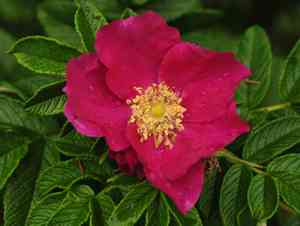
Celebrated for its robust resilience and aromatic blossoms, the rugosa rose flourishes with judicious trimming. Remove faded blooms to stimulate further flowering. During the initial part of spring or the latter part of winter, eliminate any dead or ailing stems, sculpt the shrub, and reduce congested sections. Restrict cuts to no more than one-third of the plant to foster vigorous development. Pruning not only preserves its dimensions and aesthetic but also improves air movement and light penetration, which are vital for the rugosa rose's flourishing display.
What Are the Benefits of Pruning Rugosa Rose?
What Are the Benefits of Pruning Rugosa Rose?
Trimming rugosa rose is vital for promoting abundant blossoms, sustaining vigorous development, and preserving its ideal shape. It eliminates old growth, fostering healthier, more prolific flowering and deterring illnesses.
What Is the Best Time for Pruning Rugosa Rose?
What Is the Best Time for Pruning Rugosa Rose?
Pruning in late winter or early spring is beneficial because rugosa rose is dormant during this period. This timing allows gardeners to shape rugosa rose and remove dead or diseased wood without stimulating new growth that could be damaged by frost. Pruning at this stage just before the growing season encourages healthy new growth, which is essential for a robust bloom cycle. It also avoids cutting off the developing buds that will flower in the upcoming season. Moreover, the plant's sap is not actively flowing, which minimizes stress and the risk of disease entry through cut sites.
What Tools Do I Need to Prune Rugosa Rose?
Bypass Pruners
Perfect for trimming rugosa rose's young, green stems and smaller branches as they create clean cuts that heal rapidly, crucial for preventing disease.
Loppers
Required for cutting thicker branches of rugosa rose's mature stems, offering leverage and reach without causing excessive strain to the gardener.
Pruning Saw
Necessary for rugosa rose's oldest, thickest woody stems that are too large for pruners and loppers, ensuring a clean cut through tough wood.
Gloves with Gauntlet Protection
Shields hands and arms from rugosa rose's thorny branches during pruning, vital for safety.
Clean Cloth and Disinfectant
Used for wiping the blades of the cutting tools before moving to another rugosa rose or different plants to prevent the spread of disease.
Sharpener
Keeps tools sharp for clean and efficient cuts, essential for the health of rugosa rose and ease of pruning work.
How to Prune Rugosa Rose
Step1: Timing for Pruning
Select the appropriate time of year to prune rugosa rose, which is late winter or early spring before the plant breaks dormancy but when the threat of severe cold has passed. This timing helps the plant heal quickly without stressing it during extreme weather conditions.
Step2: Pruning Tool Disinfection
Clean and sharpen your pruning tools before you begin. Use a 10% bleach solution or rubbing alcohol to disinfect pruning shears or scissors to prevent the spread of disease between plants.
Step3: Removing Dead Wood
Put on gloves to protect your hands from thorns and start by removing any rugosa rose dead or dying wood. Cut these stems at their base where they meet healthy wood, using a clean, angled cut to encourage water runoff and reduce the chance of disease.
Step4: Trimming Damaged Stems
Identify and remove any rugosa rose damaged stems. Make cuts about 1/4 inch above a healthy bud facing outward to encourage open growth and prevent the branch from dying back further than necessary.
Step5: Cutting Diseased Shoots
Search for and trim away any rugosa rose diseased shoots. Make sure to cut well below the diseased sections into healthy tissue to ensure that all the diseased plant material is removed. Seal the cuts with pruning paint if recommended for the particular disease to hinder its spread.
Step6: Thinning for Air Circulation
Thin out the rugosa rose center to promote air circulation and reduce the likelihood of disease. Remove any crossing branches or those that grow inward. Aim for evenly spaced branches that allow light to penetrate into the middle of the plant.
Step7: Selective Branch Shaping
Shape the rugosa rose by selectively pruning branches using the method of selective heading back. This involves cutting above a strong set of outward-facing buds, ensuring you maintain the natural shape of the plant. Do not over-prune as rugosa rose benefits from a more natural, less-manicured shape.
Step8: Eliminating Plant Suckers
Remove any suckers growing from the base or roots of rugosa rose. These can drain energy from the main plant and should be torn rather than cut to discourage regrowth.
Step9: Disposing of Pruned Material
After pruning rugosa rose, collect and dispose of all pruned material, especially if it's diseased, to prevent any fungal spores or pests from invading the garden.
Step10: Post-Pruning Plant Care
Water the plant well after pruning to support recovery and apply a layer of mulch around the base to retain moisture and suppress weeds. Do not fertilize immediately after pruning as it can stress the plant; wait until the growing season is well underway.
Post-Pruning Care for Rugosa Rose
Post-Pruning Care for Rugosa Rose
Immediately after pruning rugosa rose, clean cuts should be made to minimize stress and encourage recovery. Optimal light exposure is crucial, so place rugosa rose in an area that receives full sun. Maintain consistent moisture without overwatering to avoid root rot but ensure high humidity for healing. Balance temperature to avoid extremes. Apply a balanced fertilizer to support new growth. Regularly inspect for signs of stress, such as wilting or discoloration, and for infection indicators, like oozing or black spots. Treat promptly with fungicides if necessary.
Common Pruning Mistakes with Rugosa Rose
Excessive Pruning Reduces Flowering
Over-pruning can lead to reduced flowering in rugosa rose, as it may limit the formation of buds which typically occur on mature wood.
Ignoring Dead Wood Promotes Pests
Neglecting to remove dead or diseased wood during pruning can foster a habitat for pests and diseases, weakening the overall health of rugosa rose.
Improper Cutting Damages Buds
Inexperienced gardeners may cut the canes too close to the bud, which can potentially damage the bud or lead to dieback.
Common Pruning Tips for Rugosa Rose
Use Clean, Sharp Tools for Pruning
Use clean, sharp tools to make clean cuts on rugosa rose, which help prevent disease and encourage quicker healing.
Cut Above Outward-Facing Buds at 45 Degrees
Cut at a 45-degree angle a quarter inch above a bud facing outward to promote outward growth and good air circulation for rugosa rose.
Thin Center for Better Sun and Air
Thin out the center of rugosa rose to increase sun exposure and air circulation, which can lead to healthier growth and more blooms.



