How to Prune Chestnut rose?
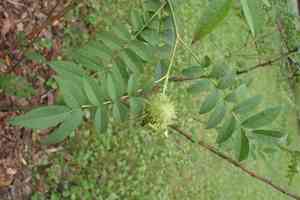
Rosa roxburghii, a spiny bush, is recognized for its palatable, Vitamin C-abundant fruit. The most effective time for trimming is in late winter or early spring, prior to the emergence of new shoots. Eliminate any lifeless or frail wood, and thin out congested limbs to enhance air movement. Consistently shortening older branches stimulates robust flowering and healthy development. Trimming also aids in controlling its dimensions and form, guaranteeing the plant stays manageable and visually appealing.
Advantages of Trimming Chestnut Rose
Advantages of Trimming Chestnut Rose
Trimming chestnut rose encourages blossoms, stimulates robust development, and aids in maintaining the plant's form. Regular trimming also improves air circulation, lowering pest and disease risks. Timely cuts ensure healthier branches and a more visually appealing plant.
Optimal Period for Pruning Chestnut Rose
Optimal Period for Pruning Chestnut Rose
Pruning chestnut rose from late winter to early spring is ideal as this period aligns with the plant's dormant phase, allowing for quick healing and minimizing disease risk. Furthermore, pruning before the active spring growth ensures chestnut rose can direct its energy towards new growth and flowering, resulting in healthier plants and more abundant blooms and fruits. This timing also enables gardeners to shape the plant before its most vigorous growth stage.
Essential Tools for Pruning Chestnut Rose
Bypass Pruners
Bypass pruners are perfect for making precise cuts on living stems and branches. They are effective for chestnut rose's thinner, younger branches and cause minimal harm.
Loppers
Loppers offer increased leverage and are suitable for cutting thicker branches of chestnut rose. They assist in preserving the plant's shape and health by removing larger stems.
Pruning Saw
A pruning saw is necessary for chestnut rose's more substantial branches that are too thick for loppers. It ensures accurate cuts without damaging the plant.
Gloves
Thorn-resistant gloves are vital for protecting your hands from chestnut rose's sharp thorns. They facilitate safer, more comfortable pruning.
Long-Handled Hedge Shears
These shears are useful for trimming and shaping chestnut rose, especially when dealing with dense growth. They provide extended reach and clean cuts.
How to Prune Chestnut Rose
Inspection
Start by examining chestnut rose for any clear indications of distress such as diseased leaves, withered leaves, dead branches, diseased branches, and withered flowers.
Clean Tools
Ensure all pruning implements such as shears and loppers are clean and sanitized to prevent the spread of disease.
Remove Diseased Leaves
Carefully snip off any diseased leaves, making clean cuts to minimize damage. Dispose of these leaves away from the plant to prevent further contamination.
Trim Withered Leaves and Flowers
Remove faded leaves and spent flowers to encourage new growth. Cut back to the nearest healthy part of a stem or branch.
Cut Dead and Diseased Branches
Prune dead or diseased branches back to healthy wood, making cuts just above a viable bud or branch junction to encourage healthy regrowth.
Common Pruning Errors with Chestnut Rose
Incorrect technique
Using improper cutting tools and methods can harm the plant. Avoid using dull or dirty tools.
Bad timing
Pruning at the wrong time can stress the plant or hinder flowering. Avoid pruning at inappropriate times.
Over-pruning
Removing too much foliage or too many branches can weaken chestnut rose and reduce its ability to produce new growth.
Neglecting dead and diseased wood
Failing to remove dead or diseased branches can lead to an unhealthy plant and increase the risk of spreading disease.
General Pruning Advice for Chestnut Rose
Use sharp tools
Always use sharp, clean pruning shears or loppers to make clean cuts and prevent damage to the plant.
Focus on shape
Prune with the goal of maintaining a balanced, appealing shape. This helps ensure even growth and good air circulation.
Remove dead wood
Identify and eliminate dead, diseased, or damaged branches to promote healthy growth and prevent disease spread.
Moderate pruning
Be mindful not to over-prune. Aim to remove only about one-third of the plant at a time to avoid stressing chestnut rose.
Make clean cuts
Make cuts at a 45-degree angle just above an outward-facing bud to encourage outward growth and prevent water from settling on the cut surface.



