How to Prune Alpine rose?
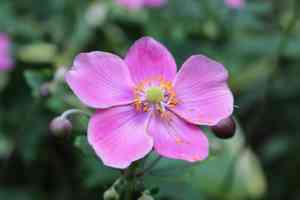
A resilient mountain shrub recognized for its aromatic pink blossoms, alpine rose flourishes in stony environments. To achieve vigorous development, trim in late winter or early spring, eliminating deceased or ailing wood and reducing dense branches to enhance air movement. Truncating excessively lengthy shoots fosters a more compact form. Trimming following flowering maintains the shrub's contour and stimulates the subsequent season's buds. Prompt pruning benefits alpine rose by improving plant well-being and guaranteeing an abundance of flowers.
Advantages of Trimming Alpine Rose
Advantages of Trimming Alpine Rose
Trimming alpine rose promotes more abundant flowering, revitalizes its growth, and preserves its desired shape. This careful cutting leads to a vibrant and attractive plant that thrives annually.
Optimal Time for Trimming Alpine Rose
Optimal Time for Trimming Alpine Rose
Trimming alpine rose in late winter or early spring is ideal as it follows the plant's dormant phase and precedes its active growth. By pruning before new growth emerges, gardeners can shape alpine rose without hindering the developing buds that will become flowers. This helps remove any dead or diseased wood, allowing the plant to direct energy towards fresh, healthy growth. Additionally, cuts heal faster in early spring, reducing disease risk. It also gives alpine rose time to recover before summer heat stress. Since alpine rose typically flowers on current year's growth, this timing ensures flowering is unaffected. Pruning during these seasons minimizes stress on alpine rose, guarantees the best floral display, and maintains good plant health.
Tools Required for Trimming Alpine Rose
Bypass Pruners
Perfect for making clean cuts on live stems of alpine rose up to approximately 1/2 inch thick. Their scissor-like action ensures precise, healthy cuts.
Loppers
Best for cutting thicker branches of alpine rose up to 2 inches in diameter, offering extended reach and leverage.
Pruning Saw
Essential for cutting through mature, woody stems of alpine rose that are too thick for loppers.
Pruning Gloves
Crucial for protecting hands from thorns and scratches when handling alpine rose during trimming.
Sharpening Tool
Keeps the cutting edge of tools used on alpine rose sharp, ensuring clean cuts that heal quickly.
Disinfectant
Used to sanitize tools before and after trimming alpine rose to prevent disease transmission.
How to Trim Alpine Rose
Sanitize Tools
Before trimming alpine rose, ensure all cutting implements are disinfected to prevent disease spread.
Remove Diseased Parts
Carefully remove any diseased leaves and branches from alpine rose, making clean cuts at the base of the affected area to prevent further infection.
Eliminate Dead Material
Remove all dead branches and withered leaves from alpine rose by cutting them back to healthy tissue, promoting proper healing and regrowth.
Trim Withered Flowers
Trim withered flowers from alpine rose, cutting just above the first set of healthy leaves below the spent bloom to encourage new growth.
Shape Plant
Shape alpine rose by selectively trimming overgrown branches to maintain an attractive form and encourage air circulation throughout the plant.
Common Trimming Errors with Alpine Rose
Excessive Trimming
Removing too much growth at once can stress alpine rose, jeopardizing its health and reducing its blooms.
Improper Cuts
Using dull or unsuitable cutting tools can result in jagged cuts, making alpine rose vulnerable to diseases.
Incorrect Technique
Cutting alpine rose without angling cuts away from buds can lead to water accumulation, potentially causing rot.
Neglecting Deadwood Removal
Failing to remove dead or damaged wood can prevent alpine rose from producing healthy new growth.
Ignoring Plant Structure
Trimming without understanding alpine rose's natural shape and growth pattern may lead to an unbalanced appearance and poor flowering.
General Trimming Advice for Alpine Rose
Sharp Tools
Use clean, sharp pruners to make clean cuts that heal quickly, reducing the chance of disease for alpine rose.
Selective Thinning
Focus on thinning out crowded areas to improve air circulation and light penetration, benefiting the health and blooms of alpine rose.
Cut To Outward-Facing Buds
Trim just above an outward-facing bud to encourage alpine rose to grow outwards, creating a more open plant structure.
Regular Inspection
Regularly check alpine rose for damaged or diseased wood, and trim these areas promptly to maintain plant health.
Consider Growth Habit
Understand that alpine rose blooms on old wood; therefore, when trimming, retain enough of last year's stems to ensure blossoming.



