How to Prune Dog rose?
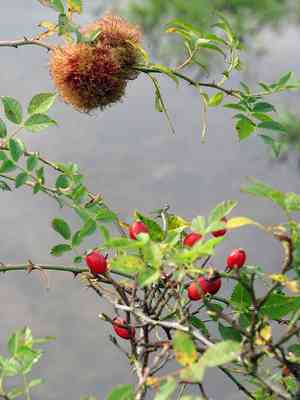
Recognized for its gracefully curved stalks and blossoms of pink or white, Rosa canina thrives with structural pruning during its early stages and renewal pruning for established specimens. The most effective time for pruning is in the initial part of spring or the latter part of winter to encourage vigorous development and boost floral production. Eliminate any branches that are dead, afflicted, or growing inward, reduce older shoots to encourage fresh development, and contemplate a partial revitalization annually. Pruning preserves its form, well-being, and enhances air movement, which is essential for the vigor of this particular species.
What Are the Benefits of Pruning Dog Rose?
What Are the Benefits of Pruning Dog Rose?
Trimming dog rose promotes more blossoms, sustains its vigorous development, and aids in shaping the plant to a desired form, ensuring both visual appeal and plant vitality.
What Is the Best Time for Pruning Dog Rose?
What Is the Best Time for Pruning Dog Rose?
These periods are considered optimal for several reasons. Late winter pruning prepares dog rose for robust spring growth by eliminating dead or damaged stems before the plant exits dormancy. This timing minimizes stress on the plant, allowing it to recover quickly and channel energy into new growth. Early spring pruning, as buds begin to swell, ensures the plant's energy is directed towards producing strong, healthy shoots, and helps maintain its form. Pruning during this phase also enhances air circulation and sunlight penetration, crucial for dog rose's health and productivity, as it flowers on the current year's growth. Furthermore, this timing helps prevent diseases more likely to spread in warmer, wetter conditions.
What Tools Do I Need to Prune Dog Rose?
Bypass Pruners
Perfect for making clean cuts on living wood, bypass pruners are preferred for dog rose as they create a smooth cut that encourages healing.
Loppers
For branches thicker than bypass pruners can manage, loppers offer the necessary leverage and reach to trim dog rose without harming the plant.
Pruning Saws
When dealing with mature, thick branches that loppers cannot cut through, a pruning saw is essential to cleanly remove the branch without damaging dog rose.
Gloves
Due to dog rose's thorns, wearing thick gloves is crucial to protect hands during pruning.
Secateurs
For routine upkeep and thinning out small, delicate branches on dog rose, secateurs provide precision and control.
Long-Handled Shears
To shape the hedge or manage the overall growth of dog rose, long-handled shears allow for trimming at a distance, which is safer when dealing with thorny branches.
How to Prune Dog Rose
Step1: Tool Sterilization
Sanitize your tools. Before trimming dog rose, sterilize your pruning shears or scissors with alcohol or bleach to prevent the spread of diseases among plants.
Step2: Deadheading Flowers
Identify spent flowers. Look for faded, wrinkled, or brown petals on dog rose and snip them off. Make clean cuts just above the first set of healthy leaves below the spent flower. This process, known as deadheading, encourages new blooms.
Step3: Diseased Branch Removal
Search for diseased branches. These may appear discolored, have unusual growths, or show signs of decay. Cut the affected branches back to healthy tissue, making the cut at a 45-degree angle about 1/4 inch above an outward-facing bud to promote outward growth.
Step4: Withered Leaf Snipping
Remove withered leaves by gently snipping them off at the base where they meet the stem of dog rose. Withered leaves can harbor pests or disease, so it's crucial to remove them to maintain plant health.
Step5: Plant Shaping
Shape the plant. After you've removed dead flowers, diseased branches, and withered leaves, you may wish to shape dog rose for aesthetic purposes or to control its growth. Choose an outward-facing bud and make a slanted cut away from it to encourage the plant to grow in that direction.
Step6: Pruning Debris Disposal
Clean up. Gather all the removed material (dead flowers, diseased branches, withered leaves) and dispose of it away from your garden to prevent any possible spread of disease.
Step7: Post-Pruning Watering
Water dog rose if the soil is dry. After pruning, providing water helps the plant recover and reduces stress. Avoid overhead watering to prevent fungal diseases.
Step8: Growth Monitoring
Monitor the plant. After pruning, keep an eye on dog rose for signs of new growth or any additional issues that may require attention.
Post-Pruning Care for Dog Rose
Post-Pruning Care for Dog Rose
Immediately after trimming dog rose, ensure clean cuts to facilitate rapid healing. Provide partial shade to prevent scorching and maintain moderate humidity to lessen stress. Adjust watering to keep the soil moist but not waterlogged. Apply a balanced fertilizer to replenish nutrients and encourage robust growth. Regularly check for signs of distress or disease, such as wilting or discoloration, and treat promptly with appropriate fungicides or insecticides if necessary. Consistent monitoring and gentle care will promote dog rose's healthy recovery and growth.
Common Pruning Mistakes with Dog Rose
Avoid cutting too close to buds
Trimming too close to the bud can harm dog rose's potential for new growth, as it may remove the most vital part of the stem needed for healthy new shoots.
Prevent jagged and torn cuts
Making jagged or torn cuts during pruning rather than clean, angled cuts, which can lead to disease and pest problems for dog rose.
Do not over-prune in one session
Removing too much of the plant in a single pruning session, which can stress dog rose and may lead to reduced vigor or even plant death.
Maintain proper stem density for health
Leaving too many stems on dog rose, resulting in poor air circulation and light penetration, which can hinder flowering and encourage disease.
Sterilize tools before pruning
Pruning without sterilizing the tools which can introduce pathogens and spread disease to dog rose.
Remove all dead or damaged wood
Neglecting to remove dead, diseased, or damaged wood, which can hinder dog rose's health and aesthetic appeal.
Common Pruning Tips for Dog Rose
Make clean, angled cuts above outward buds
Make clean cuts at a 45-degree angle about 1/4 inch above an outward-facing bud to encourage dog rose to develop a more open and aesthetically pleasing structure.
Use sharp, sterilized pruning tools
Ensure pruning tools are sharp and clean to prevent the transmission of diseases between plants and to make precise cuts for dog rose.
Thin out older canes at the base
Thin out dog rose by removing older and weaker canes at the base to promote better air circulation and light penetration, leading to a healthier plant.
Prune to maintain natural shape
Prune dog rose to maintain its natural shape, enhancing its ornamental value without compromising the plant's health or blooming potential.
Cut out dead, diseased, or damaged wood promptly
Cut out any dead, diseased, or damaged wood as soon as it's noticed to maintain dog rose's vitality and prevent the spread of plant maladies.
Prune to outward-facing buds for open structure
When shortening canes, cut back to a healthy outward-facing bud to direct new growth away from the center of dog rose, promoting a more open plant structure.
Balance old and new growth for flowering
Balance the removal of old wood and new growth, ensuring that dog rose retains enough mature wood to produce flowers, as dog rose often blooms on two-year-old wood.



