How to Prune Prickly rose?
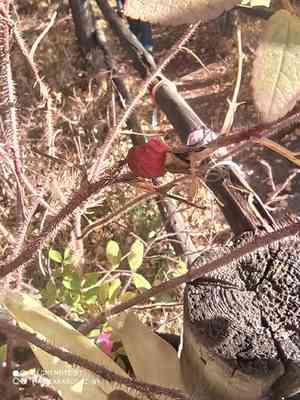
Originating from cooler climates, prickly rose is a resilient bush recognized for its sharp spines and rosy blossoms. Essential trimming entails excising deceased or ailing branches, alleviating crowded central areas, and sculpting to foster development. The most effective time for pruning is from late winter to early spring to stimulate prickly rose's yearly blooming period. For prickly rose specifically, pruning sustains the plant's well-being, manages its dimensions, and enhances air movement, thereby lowering the likelihood of illness. Cut directly above buds facing outwards to guide new growth.
What Are the Benefits of Pruning Prickly Rose?
What Are the Benefits of Pruning Prickly Rose?
Trimming prickly rose promotes robust development and increased flowering by eliminating old or dead wood. It assists in maintaining the desired form, ensuring the vitality and aesthetic appeal of prickly rose.
What Is the Best Time for Pruning Prickly Rose?
What Is the Best Time for Pruning Prickly Rose?
Pruning prickly rose in late winter or early spring is optimal as the plant remains dormant, preventing excessive sap loss which can cause stress and susceptibility to disease. This timing aligns with prickly rose's growth cycle, as pruning before new growth starts helps shape the plant and encourages strong, healthy shoots. Pruning during the recommended seasons also avoids removing developing buds that will produce flowers in the upcoming growing period, ensuring the natural blooming cycle is not interrupted.
What Tools Do I Need to Prune Prickly Rose?
Bypass Pruners
Perfect for making clean, accurate cuts on prickly rose's smaller, living stems and canes without crushing plant tissue, which is crucial for encouraging healthy regrowth.
Lopping Shears
Offer longer handles for enhanced leverage and reach, essential for cutting through prickly rose's thicker canes or branches that are out of reach with standard pruners.
Pruning Saw
Specifically utilized for prickly rose's mature, woody stems and canes that are too thick for pruners and loppers, ensuring a clean cut without damage.
Gloves
Thick, durable gardening gloves are vital to shield hands from prickly rose's sharp prickles during pruning tasks.
Pruning Sealer
Helps protect prickly rose's exposed cut areas from pests and diseases after pruning is finished.
How to Prune Prickly Rose
Disinfect
Sanitize your pruning shears with a disinfectant solution to prevent the spread of diseases when pruning prickly rose.
Diseased Parts
Carefully remove all diseased leaves and branches from prickly rose, ensuring cuts are made at a 45-degree angle to promote healing and prevent water accumulation.
Dead Material
Trim off dead branches and withered leaves. Make clean cuts close to the main stem to encourage healthy new growth in prickly rose.
Withered Flowers
Deadhead withered flowers just below the flower base to stimulate prickly rose to produce more blooms.
Final Check
Perform a final check to remove any remaining damaged or diseased plant material from prickly rose, and dispose of it properly to maintain plant health.
Common Pruning Mistakes with Prickly Rose
Overpruning
Removing too much growth at once can stress prickly rose, leading to poor health and less vigor.
Imprecise Cuts
Inaccurate cutting can damage prickly rose's canes and lead to disease.
Pruning Without Sterilizing Tools
Failure to sterilize pruning tools can spread pathogens between plants, affecting prickly rose's health.
Neglecting Dead Or Diseased Wood
Failing to remove dead or diseased wood can impede prickly rose's growth and leave it vulnerable to pests and diseases.
Disregarding Plant Shape
Randomly cutting without considering the natural shape of prickly rose can result in an unbalanced and unappealing appearance.
Common Pruning Tips for Prickly Rose
Sharp Tools
Use clean, sharp tools to make precise cuts that promote quick healing in prickly rose.
Angle Cuts
Make angled cuts away from buds to prevent water accumulation and reduce disease risk in prickly rose.
Thin Out
Thin out crowded branches to increase air circulation and light penetration, which benefits prickly rose's health and blooming capacity.
Cut At The Base
For older and non-producing canes, make cuts at the base of prickly rose to stimulate new growth and rejuvenate the plant.
Protective Equipment
Wear gloves and protective clothing due to prickly rose's thorny nature, which can prevent injuries during the pruning process.



