How to Prune Chinese sumac?
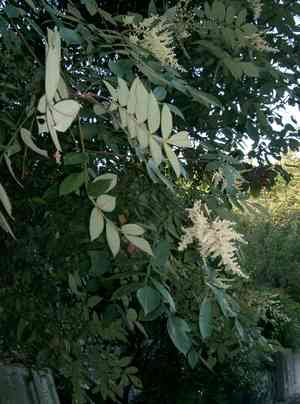
This leaf-shedding bush, distinguished by its thick groupings of yellow blossoms and composite foliage, flourishes with appropriate cutting back. To stimulate robust development and boost blooming, trim chinese sumac in the latter part of winter or early spring prior to the emergence of new shoots. Eliminate deceased or excessively dense branches to sustain air movement. Reducing the number of older stalks refines its form and general well-being. Performing this horticultural task at this juncture guarantees negligible interference with the growth pattern and optimizes the plant's decorative value.
What Are the Benefits of Pruning Chinese Sumac?
What Are the Benefits of Pruning Chinese Sumac?
Trimming chinese sumac promotes robust development and maintains its preferred form. Strategic cuts enhance light penetration and air movement, crucial for chinese sumac's well-being. Regular trimming also prevents excessive growth, ensuring chinese sumac fits its garden space appropriately.
What Is the Best Time for Pruning Chinese Sumac?
What Is the Best Time for Pruning Chinese Sumac?
Pruning chinese sumac in late winter and early spring is advisable for several reasons. This period occurs just before the plant's new growth begins, allowing gardeners to clearly see chinese sumac's structure without dense foliage. This improves the plant's overall health and output. By removing dead or damaged wood, shaping the plant, and thinning overgrown branches, chinese sumac is encouraged to direct energy into producing fresh, healthy growth as the season starts. This also helps prevent disease spread, as cuts can heal quickly without extreme weather stress. Additionally, this time typically aligns with chinese sumac's dormant phase, minimizing plant stress. Pruning before spring growth ensures faster wound healing and quick plant recovery. Moreover, since chinese sumac usually flowers and fruits on new wood, pruning now will not affect future flowering or fruiting. It also simplifies managing chinese sumac's shape and size, promoting better airflow among branches and improving sun exposure, which is vital for the plant's health and vigor.
What Tools Do I Need to Prune Chinese Sumac?
Hand Pruners
Essential for precise cuts on chinese sumac's smaller branches, perfect for shaping and maintaining its desired structure.
Lopping Shears
Used for cutting through thicker branches of chinese sumac that hand pruners cannot manage, ensuring clean cuts for larger stems.
Pruning Saw
Necessary for removing mature or dead wood from chinese sumac, enabling cuts on branches exceeding 1.5 inches in diameter.
Hedge Shears
Suitable for shaping chinese sumac when grown as a hedge or for trimming numerous small stems simultaneously.
Pole Pruner
Used for reaching higher branches of chinese sumac without needing a ladder, offering safety and convenience in maintenance.
How to Prune Chinese Sumac
Clean And Sharpen Tools
Ensure pruning tools are clean and sharp to prevent disease transmission and make clean cuts, which are less harmful to chinese sumac.
Identify And Cut Dead Branches
Locate dead branches on chinese sumac and use appropriate cutting tools, such as pruning shears or saws, to remove them at their base or back to a main limb.
Identify And Cut Diseased Branches
Spot diseased branches on chinese sumac by looking for discoloration or unusual growth, and carefully cut them out, being careful not to spread any disease to healthy parts.
Disinfect Tools After Each Cut
Sanitize pruning tools after every cut with a bleach or alcohol solution to prevent pathogen transmission to chinese sumac.
Proper Disposal Of Pruned Materials
Properly dispose of dead or diseased branches, away from chinese sumac, to prevent potential re-infection or pest infestation.
Common Pruning Mistakes with Chinese Sumac
Overpruning
Removing too much foliage from chinese sumac can weaken the plant, reduce its vitality, and potentially lead to its demise. Prune no more than one-third of the plant in a single session.
Improper Cut Sites
Cutting too close to the main stem or leaving a large stub can create wounds that take longer to heal, making chinese sumac more vulnerable to diseases and pests.
Using Dull Tools
Dull pruning tools cause jagged cuts that harm chinese sumac and increase the risk of disease entry. Always use sharp, clean instruments for a precise cut.
Neglecting Diseased Branches
Failing to remove or incorrectly pruning diseased, dead, or damaged branches can allow the problem to spread throughout chinese sumac, which can be detrimental to the plant's overall health.
Common Pruning Tips for Chinese Sumac
Selective Cutting
Identify and selectively remove crossing or rubbing branches to encourage good air circulation and light penetration in chinese sumac's canopy, which can lead to healthier growth and increased flowering.
Encourage New Growth
Prune to encourage new growth in the desired direction. Cutting back branches to a bud facing the outside of chinese sumac will create an open shape that allows light into the plant's center.
Clean Cuts
Make clean cuts at a 45-degree angle about 1/4 inch above an outward-facing bud to promote proper healing and to direct new growth away from chinese sumac's center.
Sanitation
Regularly sanitize pruning tools before and after working on chinese sumac to prevent disease spread. Use a solution of 1 part bleach to 9 parts water to clean the tools.
Protecting Cut Areas
If necessary, use a natural sealant on cut areas to protect chinese sumac from potential pests and diseases. However, be cautious as some sealants may harm the plant if not used properly.



