How to Prune Rose myrtle?
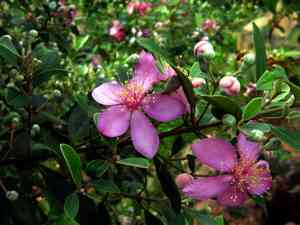
The rose myrtle, a tropical evergreen shrub recognized for its lustrous foliage and pink or white blossoms, responds well to strategic trimming for form preservation and bloom stimulation. Essential pruning methods involve reducing older stalks and shortening excessively long branches to foster improved air movement and light exposure. Perform pruning in late spring or early summer subsequent to the blooming period to prevent the removal of nascent buds. This practice encourages fresh development, thereby boosting the rose myrtle's fullness and prolific flowering.
Advantages of Trimming Rose Myrtle
Advantages of Trimming Rose Myrtle
Trimming rose myrtle is crucial for promoting abundant flowering and for managing pests and diseases, which in turn supports robust health and vitality in the plant's development.
Optimal Period for Trimming Rose Myrtle
Optimal Period for Trimming Rose Myrtle
Trimming rose myrtle during late spring and early summer coincides with the plant's post-flowering phase. This timing allows gardeners to prune the plant after its initial bloom, typically in spring. Pruning during these recommended seasons encourages healthier growth and prepares the plant for its subsequent bloom cycle. It also helps maintain the plant's form, stimulates new growth, and ensures energy is directed towards developing strong, vibrant foliage and flower buds for the upcoming season. Late spring through early summer pruning is particularly beneficial as it minimizes the risk of frost damage to fresh cuts and reduces stress on rose myrtle, enabling the plant to recover during its active growth period. Therefore, it is vital to avoid pruning too late in the year, as new growth could be harmed by early frosts.
Necessary Tools for Trimming Rose Myrtle
Hand Pruners
Perfect for cutting back smaller stems and shaping rose myrtle, as they provide clean and precise cuts essential for the plant's health and appearance.
Lopping Shears
Useful for reaching into the denser areas of rose myrtle and cutting through thicker branches that hand pruners cannot handle.
Pruning Saw
Recommended for larger branches too thick for lopping shears, enabling gardeners to remove them without harming the plant.
Hedge Shears
Suitable for trimming and shaping the foliage of rose myrtle, especially when a more formal hedge look is desired.
Gloves
To safeguard hands from thorns and rough plant material while trimming rose myrtle, ensuring safety.
How to Trim Rose Myrtle
Sanitizing Tools
Before starting, sterilize your trimming tools to prevent the spread of disease to rose myrtle. Use a solution of 1 part bleach to 9 parts water to disinfect shears and saws.
Removing Diseased Parts
Carefully inspect rose myrtle for diseased leaves and branches. Remove these first by cutting at the base of the affected section to prevent further infection. Dispose of diseased material properly, away from healthy plants.
Eliminating Dead Material
Identify and cut away any dead branches and withered leaves from rose myrtle. Make clean cuts just above a healthy bud or the branch collar to promote proper healing.
Trimming Withered Flowers
Remove withered flowers from rose myrtle by making cuts above the first set of healthy leaves below the flower to stimulate new growth and future blooming.
Managing Excessive Growth
Trim excessive growth branches in rose myrtle to maintain a desired shape and promote air circulation within the plant. Cut back to a lateral branch or bud that faces the direction you want new growth to follow.
Common Trimming Errors with Rose Myrtle
Excessive Trimming
Removing too much foliage can stress rose myrtle, leading to weakened growth or reduced flowering. Aim to remove no more than one-third of the plant's total volume in a single trimming session.
Incorrect Cuts
Improper cutting technique, such as tearing branches or leaving stubs, can create entry points for pests and diseases. Clean, angled cuts made just above a leaf node encourage proper healing and regrowth.
Neglecting Hygiene
Using dirty trimming tools can spread diseases between plants. Always clean and sterilize tools before and after trimming rose myrtle.
Inconsistent Trimming
Trimming without understanding the natural growth habit of rose myrtle can result in an unnatural appearance and hinder its blooming potential. Trim in accordance with the plant's form for best results.
Trimming Without A Strategy
Random or excessive cuts can negatively impact the structural integrity and aesthetic of rose myrtle. Plan the trimming process to maintain a balanced shape and avoid removing too many flower buds.
General Trimming Advice for Rose Myrtle
Selective Thinning
Remove specific branches to enhance light penetration and air circulation within the plant's canopy, which is vital for the health of rose myrtle.
Maintaining Form
Trim to preserve the natural shape of rose myrtle, fostering a more aesthetically pleasing form while also boosting flowering.
Encourage New Growth
Trim just above the bud facing the outside of the plant. This promotes new growth to spread outwards rather than inwards, preventing the center of rose myrtle from becoming too dense.
Rejuvenation Trimming
For older or overgrown rose myrtle plants, perform rejuvenation trimming to renew the plant's vigor. Remove older branches to ground level to stimulate new growth from the base.
Deadheading
Regularly remove spent flowers to prevent rose myrtle from expending energy on seed production, encouraging further blooms and keeping the plant looking neat.



