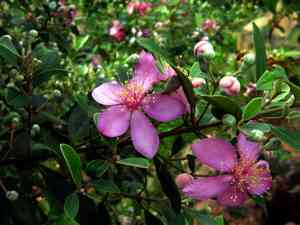
Rose myrtle (Rhodomyrtus tomentosa)
Also known as: Hill guava, Hill gooseberry
Rose myrtle, admired for its attractive appearance and sweet fruit, is problematic in places like Florida and Hawaii because it is a noxious invasive species. In Florida, it invades forest areas, crowding out native low-growing plants. This negatively impacts the local flora and fauna by disrupting the natural ecosystem balance. Similarly, it poses significant environmental challenges in Hawaii and French Polynesia.
In This Article
Attributes of Rose myrtle
Lifespan
Perennial
Plant Type
Shrub
Plant Height
1.2 m to 1.8 m
Spread
1.5 to 2 meters
Leaf Color
Green White
Flower Size
2.5 cm
Flower Color
Pink Purple Red
Images of Rose myrtle
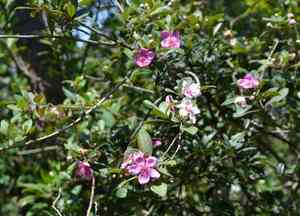
Quickly Identify Rose myrtle
1
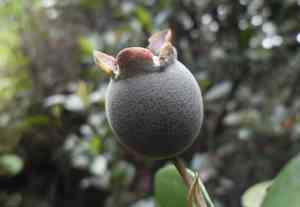
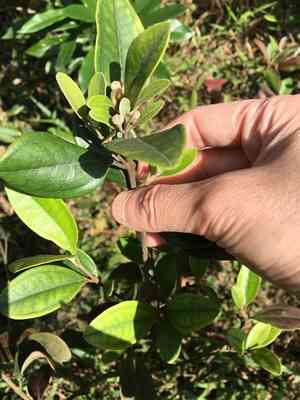
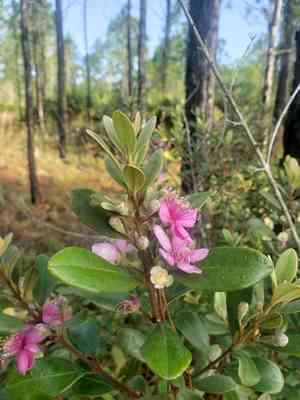
Identify Rhodomyrtus tomentosa by its velvety leaves, pinkish-purple flowers, and dark purple to black edible berries. The leaves are oblong or elliptical and have a tomentose (furry) underside.
Scientific Classification of Rose myrtle
Phylum
Vascular plants
Class
Dicotyledons
Order
Myrtle order
Family
Myrtle
Genus
Rhodomyrtus
Species
Rose myrtle
Planting and Growing of Rose myrtle
Care Difficulty
Easy
Watering Schedule
Every 3 days
Sunlight Requirements
Full sun
Sunshine Duration
6-10 hours
Ideal Temperature
60-77℉
Soil Type
Potting Mix, Peat Mix
Soil pH
4.5-6.5
Fertilizer Type
Balanced
Pruning Season
Spring, Summer
Pruning Area
Branches, Leaves
Pruning Frequency
2 times a year
Repotting Season
Spring
Pot Type
Plastic, Ceramic
 How to Water Rose myrtle?
For Rhodomyrtus tomentosa, it is crucial to ensure the soil is damp but not waterlogged. Aim for about 500 ml of water per session. A consistent moisture level is key, so check the topsoil; it should be slightly moist, not soggy or dry.
What are the symptoms of an underwatered Rose myrtle?
›
What should I do if my Rose myrtle is not getting enough water?
›
What are the symptoms of an overwatered Rose myrtle?
›
How to save an overwatered Rose myrtle?
›
 What Are the Sunlight Requirements for Rose myrtle?
Rhodomyrtus tomentosa flourishes in environments that offer full to partial sun. Adequate light levels promote healthy growth and encourage prolific flowering, enhancing the plant's ornamental appeal.
More About Sunlight Requirements Techniques→
Optimal Light Intensity
›
Solutions for Ideal Lighting
›
Benefits of Proper Lighting
›
 What Is the Ideal Temperature Range for Rose myrtle?
The ideal temperature range for Rhodomyrtus tomentosa cultivation is between 60°F to 77°F. These temperatures support optimum metabolic processes, including photosynthesis and respiration, leading to healthy growth and development.
 What Soil is Best for Rose myrtle?
Rhodomyrtus tomentosa thrives in well-draining soil to prevent waterlogging, which can cause root rot. Well-draining soil balances moisture retention while allowing excess water to escape, promoting healthy root systems. This plant prefers moderately fertile soil to support its nutritional needs without overwhelming it. Moderate fertility ensures steady growth and encourages abundant flowering, essential for its ornamental appeal. Rhodomyrtus tomentosa's optimal soil pH ranges from 4.5 to 6.5, encouraging nutrient availability. Adequate acidity helps in maintaining vibrant foliage and continuous flowering by facilitating nutrient absorption.
 How to Fertilize Rose myrtle?
For Rhodomyrtus tomentosa, it is crucial to apply the right amount of fertilizer to ensure healthy growth. It is advisable to use a balanced fertilizer with a ratio such as 10-10-10. Each time you fertilize, ensure that you distribute about a tablespoon per plant for liquid fertilizers.
 How to Prune Rose myrtle?
Use sharp, clean pruning shears for small branches and loppers for thicker ones. Make sure your tools are in good condition to ensure clean cuts that minimize plant stress. Focus on removing dead, diseased, or damaged branches first. Look for any crossing branches that might rub against each other and cause wounds. When pruning, make your cuts at a 45-degree angle just above a bud that faces outward. This encourages new growth to spread away from the plant's center. Trim the plant to maintain a desired shape by cutting back overgrown areas. Evenly distribute the cuts to promote a balanced and aesthetically pleasing appearance.
More About Pruning Techniques→
 How to Propagate Rose myrtle plant?
1
Start by collecting ripe seeds from the fruit. Clean them and allow them to dry for a day or two before planting to reduce the risk of mold.
2
Select a healthy, disease-free branch and use pruning shears to cut a 10-15 cm section just below a node to ensure successful rooting.
3
Bend a low-growing branch to the ground and cover its middle section with soil, leaving the tip exposed. Secure it with a U-shaped pin until roots develop.
 How to Repot Rose myrtle plant?
1
Signs that your Rhodomyrtus tomentosa needs repotting include roots growing through drainage holes, stunted growth, or soil that dries out unusually fast. Repotting is best done in early Spring or Summer when the plant is actively growing, giving it time to settle into new soil.
2
A pot with sufficient drainage is crucial to prevent waterlogging, which could harm the roots. Select a pot one size larger than the current one, allowing room for root expansion. Ensure the pot is made from a breathable material like terracotta for better moisture regulation.
3
Opt for a well-draining, acidic potting mix to mimic its natural habitat. The right soil promotes healthy root growth and prevents root rot. Adding perlite or sand can improve aeration, while organic matter like peat can enhance moisture retention and acidity.



