How to Prune Pacific rhododendron?
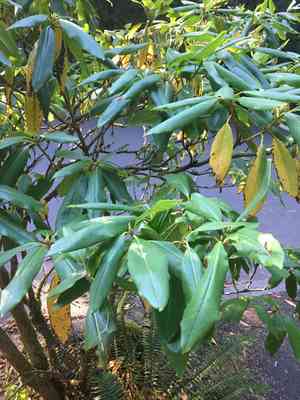
Recognized for its prominent, attractive blossoms, pacific rhododendron flourishes with judicious trimming that enhances air movement and structural soundness. Eliminate deceased or ailing branches, alongside any intersecting or congested limbs, in late spring or early summer following the flowering period. Reducing the density of older stalks stimulates fresh development and sustains a lively appearance. Pruning beyond this timeframe may diminish flowering since it produces blooms on the previous year's growth. Consistent, meticulous pruning improves the plant's well-being and visual appeal.
Advantages of Trimming Pacific Rhododendron
Advantages of Trimming Pacific Rhododendron
Trimming pacific rhododendron promotes abundant flowering and strengthens its resistance to pests and diseases, ensuring a more robust and healthy shrub.
Optimal Time for Trimming Pacific Rhododendron
Optimal Time for Trimming Pacific Rhododendron
These periods are considered ideal for trimming pacific rhododendron because its blooming cycle, typically in early spring, has concluded. Pruning after flowers fade stimulates new growth and can improve the plant's shape and vitality without sacrificing next year's blossoms. Trimming at this time aligns with the plant's natural growth and allows wounds to heal during the active growing season. Furthermore, removing dead or diseased wood now minimizes pest and disease entry, as these issues are more manageable before autumn and winter. Avoid pruning in late fall or winter, as cuts can expose pacific rhododendron to harsh conditions, risking damage or illness.
Tools Required for Trimming Pacific Rhododendron
Bypass Pruners
Essential for making clean cuts on smaller stems and twigs of pacific rhododendron, bypass pruners' scissor-like action ensures minimal damage to remaining plant tissues, fostering healthier regrowth.
Loppers
For branches too thick for bypass pruners, loppers provide the necessary leverage to cut through pacific rhododendron's larger stems. Choose a lopper with a bypass blade for cleaner cuts.
Pruning Saw
Useful for the thickest branches of pacific rhododendron, a pruning saw allows for cutting without undue strain on the plant or gardener. Its tooth design efficiently cuts through wood without tearing.
Hand Shears
Ideal for shaping and maintaining the dense foliage of pacific rhododendron, hand shears can be used to trim and shape the plant's outer edges without cutting into old wood, which is less likely to regenerate.
Curved Blade Snips
These snips are designed to access tight spaces within pacific rhododendron's growth to remove dead or diseased material, vital for maintaining plant health and promoting airflow.
How to Trim Pacific Rhododendron
Step1: Post-Bloom Timing
Determine the best time for trimming pacific rhododendron, typically after its blooming period to avoid removing next year's buds. Ideal time is late spring to early summer.
Step2: Tool Sanitization
Sterilize pruning tools with a solution of one part bleach to nine parts water to prevent disease spread. Rinse tools with clean water after sanitizing.
Step3: Dead Wood Removal
Identify dead wood by looking for brittle, leafless branches with a gray or brown color. Prune dead wood where it meets healthy tissue using clean, sharp bypass pruners. Make the cut just above a latent bud or branch junction, angling the cut away from the bud.
Step4: Yellow Leaf Trimming
Inspect pacific rhododendron for yellow leaves, which may indicate nutrient deficiencies or watering issues, but can also be due to natural aging. Gently prune off yellow leaves by snipping them close to the base of the leaf stalk, ensuring not to damage new buds or adjacent stems.
Step5: Disease Cutting
Carefully assess pacific rhododendron for diseased parts, which may appear as branches with unusual growths, discolored leaves, or lesions. Cut off diseased parts well below the affected area, several inches into healthy tissue, to ensure complete removal of diseased material. Dispose of these parts away from the garden to prevent disease spread.
Step6: Structural Shaping
Shape the pacific rhododendron by selectively pruning overgrown or misplaced branches. Always cut just above a whorl of leaves or other natural division, to maintain the plant's natural shape and encourage bushier growth.
Step7: Interior Thinning
Thin the pacific rhododendron's interior by removing some smaller branches to improve air circulation and light penetration. This can help prevent disease and promote the plant's overall health.
Step8: Post-Trimming Mulching
Apply a layer of mulch around the base of pacific rhododendron after trimming to help retain soil moisture and regulate soil temperature. Keep the mulch a few inches away from the plant's stem to prevent rot.
Step9: Trimming Cleanup
Clean up all trimming debris from around pacific rhododendron to deter pests and diseases. Also, cleaning your tools after the job is done will help prevent future disease transmission.
Step10: Post-Trimming Care
Monitor pacific rhododendron for signs of stress or disease after trimming and provide appropriate care, such as watering and fertilizing (if necessary), to help the plant recover and thrive.
Aftercare for Pacific Rhododendron Following Trimming
Aftercare for Pacific Rhododendron Following Trimming
Immediately after trimming pacific rhododendron, ensure thorough watering to reduce transplant shock and promote healing. Adjust location to provide dappled sunlight, maintaining moderate humidity and avoiding extreme temperatures. Apply a balanced, slow-release fertilizer to support new growth. Regularly inspect pacific rhododendron for signs of stress such as wilt or discoloration, and check for infection at the cuts. If symptoms arise, implement a suitable plant health care protocol promptly. Strict hygiene with disinfected tools and minimal handling can prevent post-trimming issues.
Common Trimming Errors with Pacific Rhododendron
Excessive Trimming Harms Plant Shape and Health
Trimming too aggressively can stress pacific rhododendron and potentially damage its natural shape and fullness.
Avoid Cutting into Leafless Old Wood
Cutting into old wood where no visible leaf buds exist, as this can prevent new shoots from emerging.
Improper Cuts Can Cause Disease and Decay
Making improper cuts that leave stubs or are flush against main branches, which can lead to disease and decay.
Over-trimming Reduces Next Season's Blooms
Removing too many flower buds, which can significantly reduce blooming in the following season.
Unsterilized Tools Spread Disease
Neglecting to sterilize trimming tools between cuts, increasing the risk of spreading diseases to pacific rhododendron.
General Trimming Advice for Pacific Rhododendron
Use Sharp, Clean Tools for Healthy Cuts
Use sharp, clean tools to make precise cuts; this promotes quicker healing and reduces the risk of disease for pacific rhododendron.
Cut Above Leaf Node at 45-Degree Angle
Make cuts just above a leaf node at a 45-degree angle, encouraging water runoff and new growth in the desired direction.
Thin Dense Areas for Airflow and Light
Thin out dense areas to increase airflow and light penetration, which can help prevent diseases like powdery mildew in pacific rhododendron.
Selectively Prune for Plant Health
Prune selectively to remove only dead, diseased, or crossing branches, which improves the overall health and appearance of pacific rhododendron.
Light Shaping After Flowering Enhances Form
Lightly shape pacific rhododendron after flowering to maintain its natural form and encourage the development of next year's buds.



