How to Prune Garden mignonette?
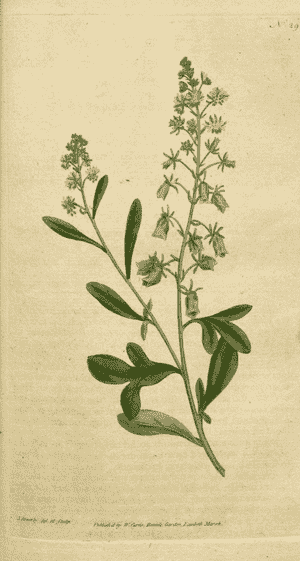
Known for its sweet scent and clusters of small flowers, garden mignonette benefits from regular pruning to promote vigorous growth and enhance flowering. Trim back faded blooms throughout spring and summer to encourage new flower production. In fall, cut stems to the ground to maintain a tidy appearance and prevent unwanted self-seeding. Pruning not only keeps garden mignonette compact and healthy but also stimulates a robust bloom cycle in the following seasons.
What Are the Benefits of Pruning Garden Mignonette?
What Are the Benefits of Pruning Garden Mignonette?
Pruning garden mignonette encourages vigorous growth and helps maintain its desired shape. Regular cutting back promotes denser foliage, enhancing its ornamental value and preventing overgrowth.
What Is the Best Time for Pruning Garden Mignonette?
What Is the Best Time for Pruning Garden Mignonette?
For garden mignonette, pruning during Spring, Summer, and Fall is optimal because these seasons align with the plant's active growth phases. In Spring, pruning helps stimulate new growth and improves air circulation within the foliage, essential for the health and vigor of garden mignonette. During Summer, light pruning is beneficial to remove any dead or diseased portions, which helps maintain the plant's shape and encourages healthier, denser growth. Pruning in the Fall is crucial to prepare garden mignonette for the dormant winter season by removing old growth and any spent flowers, thereby reducing the likelihood of disease and pest issues. Each of these seasons supports the natural growth cycle of garden mignonette, promoting flowering, reducing stress on the plant, and enhancing overall plant health.
What Tools Do I Need to Prune Garden Mignonette?
Hand Pruners
Ideal for trimming and shaping the soft stems of garden mignonette, hand pruners provide precision and cause minimal damage to the plant tissues. Choose bypass pruners, which make clean cuts ideal for live plants, promoting healthier regrowth.
Pruning Shears
Effective for managing the dense foliage of garden mignonette. Sharpened shears help maintain neatness and uniformity in the plant's appearance, facilitating easy removal of older or yellowed leaves. Opt for shears with ergonomic handles for ease of use during extensive pruning sessions.
Garden Scissors
These are perfect for fine-tuning and deadheading garden mignonette, especially useful for reaching into tight spaces between foliage to remove spent flowers. Garden scissors ensure precise cuts, which help prevent disease and stimulate flowering.
How to Prune Garden Mignonette
Identify
Identify the withered or dead leaves on garden mignonette. These are typically yellowed or brown, and may appear dry or crumbly.
Prepare
Prepare your tools. Use sharp, clean scissors or pruning shears. Disinfect the blades before use to prevent the spread of disease.
Cut
Cut the withered leaves at the base, near the stem. Make sure not to damage the healthy parts of garden mignonette. Gentle handling is crucial to avoid stress on the plant.
Dispose
Dispose of the removed leaves properly. Do not leave them around garden mignonette as they could harbor pests or diseases that might affect the plant.
Monitor
After pruning, monitor garden mignonette regularly. Check for signs of new growth or any further signs of distress. This helps in assessing the health of your plant and the success of your pruning.
Common Pruning Mistakes with Garden Mignonette
Over pruning
Over-pruning is a common error with garden mignonette, where gardeners remove too much foliage, harming the plant's ability to photosynthesize efficiently and potentially stunting its growth.
Improper cut technique
Garden mignonette requires precise cutting techniques to avoid damaging the delicate stems. Sloppy cuts can lead to frayed or split stems, making the plant vulnerable to diseases.
Neglecting dead flowers
Failing to regularly remove dead flowers from garden mignonette can lead to reduced flowering as the plant expends energy on seed production rather than creating new blooms.
Common Pruning Tips for Garden Mignonette
Clean cut tools
Use sharp, clean pruning tools to make precise cuts. This helps prevent damage to the tissues of garden mignonette and limits the spread of disease.
Focus on dead removals
Remove dead or fading flowers regularly to encourage garden mignonette to produce more flowers. This diverts the plant's energy away from seed reproduction and back towards flower production.
Thin out dense areas
Thin out densely packed stems to improve air circulation, which is vital for keeping garden mignonette healthy and preventing fungal diseases. This also allows light to reach the lower parts of the plant, promoting even growth.



