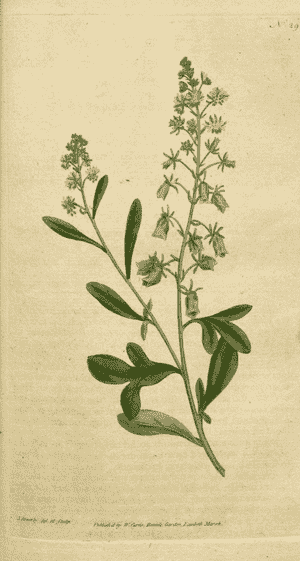
Garden mignonette (Reseda odorata)
Also known as: Mignonette, Sweet Reseda
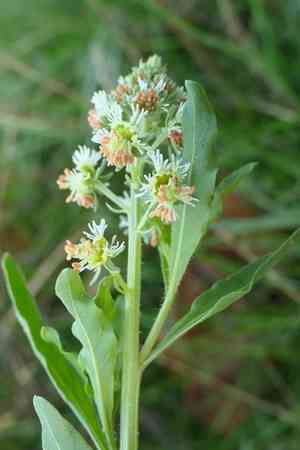
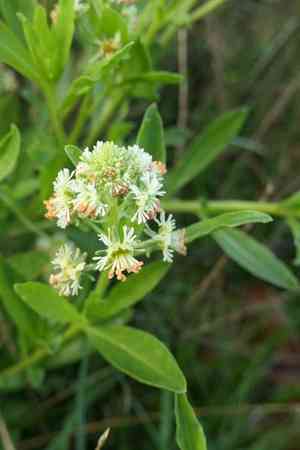
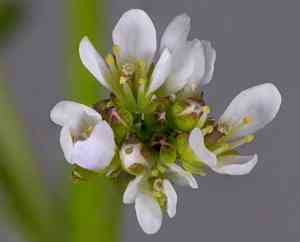
This annual herb features branching, upright stems that can reach up to 80 centimeters in height. The flowers are arranged in a spikelike raceme. Each fragrant flower displays six petals that range in color from white to yellowish or greenish. The upper petals are uniquely divided into three slender, fingerlike segments. At the flower's core, there are approximately 25 stamens, each topped with noticeable, dangling orange anthers.
In This Article
Attributes of Garden mignonette
Lifespan
Annual, Perennial, Biennial
Plant Type
Herb
Plant Height
30 cm
Spread
30 cm
Leaf Color
Green
Flower Size
0.5-1 cm
Flower Color
Yellow Green White Red
Images of Garden mignonette
Quickly Identify Garden mignonette
1
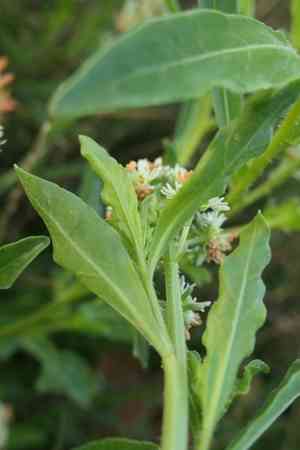
Reseda odorata can be identified by its small, dense clusters of greenish-white flowers and its distinctive fragrance. The leaves are oblong, slightly toothed, and can have a somewhat sticky texture.
Scientific Classification of Garden mignonette
Phylum
Vascular plants
Class
Dicotyledons
Order
Brassicales
Family
Mignonette
Genus
Mignonettes
Species
Garden mignonette
Planting and Growing of Garden mignonette
Care Difficulty
Easy
Watering Schedule
Every 4 days
Sunlight Requirements
Full sun
Sunshine Duration
4-8 hours
Ideal Temperature
60-75℉
Soil Type
Potting Mix, Peat Mix
Soil pH
6.5-7.5
Fertilizer Type
Balanced
Pruning Season
Spring, Summer
Pruning Area
Branches, Leaves
Pruning Frequency
2 times a year
Repotting Season
Spring
Pot Type
Plastic, Ceramic
 How to Water Garden mignonette?
Reseda odorata prefers a moderate watering approach. Aim to water it until the soil is evenly moist but not soggy, around 200ml per session. The key is to maintain a balance where the roots have enough moisture to sustain growth without becoming waterlogged.
What are the symptoms of an underwatered Garden mignonette?
›
What should I do if my Garden mignonette is not getting enough water?
›
What are the symptoms of an overwatered Garden mignonette?
›
How to save an overwatered Garden mignonette?
›
 What Are the Sunlight Requirements for Garden mignonette?
Partial to full sun exposure is optimal, balancing between brighter mornings and shielded afternoons. This light condition aids in producing a lush and flower-rich Reseda odorata, enhancing its visual and fragrant appeal.
Why is proper sunlight essential for Reseda odorata?
›
How to achieve ideal sunlight conditions for Reseda odorata?
›
What benefits result from optimal light exposure for Reseda odorata?
›
 What Is the Ideal Temperature Range for Garden mignonette?
Reseda odorata thrives best in temperatures ranging from 60°F to 75°F. This range supports optimal growth and flowering by providing stable conditions that mimic its native habitat. Consistent temperature within this bandwidth ensures the plant absorbs nutrients efficiently and maintains its metabolic processes without undue stress.
 What Soil is Best for Garden mignonette?
Reseda odorata thrives in well-drained soil that allows excess water to escape quickly. This prevents waterlogging, which can lead to root rot and other diseases. Providing such soil ensures robust plant health and vigorous growth. The plant prefers moderately fertile soil, rich in organic matter. This nutrient-rich environment supports healthy plant development and an abundance of blooms, making your garden visually appealing and fragrant. A soil pH between 6.5 and 7.5 is ideal for Reseda odorata. This pH range facilitates optimal nutrient uptake, ensuring the plant receives the necessary minerals for growth and flowering.
 How to Fertilize Garden mignonette?
Reseda odorata, or mignonette, prefers a balanced fertilizer mix. For liquid fertilizers, use about half the recommended dose, as mignonette is sensitive to excessive fertilization. Applying too much can lead to nutrient burn, while too little could stunt growth. For slow-release fertilizers, use about 1 to 2 tablespoons per square foot during the growing season.
 How to Prune Garden mignonette?
Examine your Reseda odorata for any brown, withered, or dead stems and leaves. Carefully trim these areas back to healthy tissue, promoting new growth and preventing disease spread. Trim the edges of the plant to maintain a well-rounded shape. This can be done by cutting back long shoots to just above a leaf node, encouraging multiple new branches to form at the cut site. Pinch off spent or fading flowers on a regular basis throughout the blooming season. This process, known as deadheading, directs the plant's energy towards producing more flowers instead of seed formation.
More About Pruning Techniques→
 How to Propagate Garden mignonette plant?
1
Collect seeds from a mature Reseda odorata plant. Clean them by removing any debris or plant material attached to the seeds. Soak them overnight in lukewarm water to break seed dormancy and enhance germination rates.
2
Fill the seed tray with a sterile seedling mix, place the seeds on the surface, and cover them lightly with soil. Maintain a consistent moisture level by misting the soil surface regularly to avoid disturbing the seeds.
3
Choose a healthy stem from the parent plant and cut a 4-6 inch section below a leaf node. Remove the lower leaves and dip the cut end in a rooting hormone. Plant the cutting in a pot with a well-drained potting mix.
 How to Repot Garden mignonette plant?
1
Reseda odorata gives clear signals when it requires repotting. Watch for roots protruding through the drainage holes or a noticeable stunting in growth. Spring or autumn are optimal because plant stress is minimized, and the growth phase supports recovery.
2
When selecting a pot, ensure it is only one size larger than the current one. Pots that are too large can lead to excessive soil moisture, increasing the risk of root rot. Terracotta pots are ideal as they allow air to reach the roots and prevent over-watering.
3
A well-draining potting mix is crucial for Reseda odorata. It prevents waterlogging, which can suffocate the roots. Choose a mix with components like perlite or sand. This is essential for keeping the roots healthy and supporting the plant's air and nutrient needs.
Learn More About Garden mignonette Diseases
Anthracnose
Bacterial Leaf Spot
Bacterial Soft Rot
Bacterial Wilt
Black Spot
Chemical Injury
Crown Gall
Cyst Nematode
Damping-off
Downy Mildew
Drought Stress
Fusarium Wilt
Gray Mold
Leaf Curl
Leaf Spot
Mosaic
Nutrient Deficiency
Nutrient Toxicity
Powdery Mildew
Root Rot
Root-knot Nematode
Rusts
Sooty Mold
Spider Mites
Temperature Stress
Thrips Damage
White Mold



