How to Prune Netleaf oak?
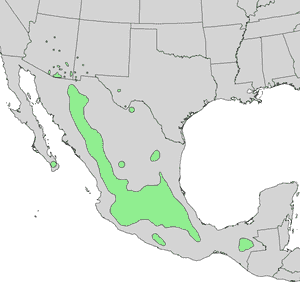
Distinguished by its profoundly grooved bark and tough foliage, netleaf oak flourishes with judicious trimming to uphold its inherent form. Essential methods involve excising deceased or ailing branches, reducing dense limbs to improve air movement, and sculpting for foundational soundness. The most effective pruning occurs in winter while netleaf oak is inactive, thereby reducing sap leakage and fostering strong spring development. Trimming netleaf oak improves its vitality and aesthetic, prevents excessive branch spread, and aids in sturdy crown formation.
What Are the Benefits of Pruning Netleaf Oak?
What Are the Benefits of Pruning Netleaf Oak?
Trimming netleaf oak promotes robust development and maintains its desired form. Prompt removal of dead or crowded branches enhances air circulation and light exposure, crucial for the plant's overall well-being.
What Is the Best Time for Pruning Netleaf Oak?
What Is the Best Time for Pruning Netleaf Oak?
Trimming netleaf oak from late winter to early spring, just before the spring growth surge, is ideal as the plant remains dormant. This timing allows gardeners to shape the tree and manage its size without stressing active growth. It also minimizes sap leakage, which can attract pests. Pruning during dormancy helps netleaf oak heal faster and reduces disease risk through cuts. Furthermore, without leaves, the branch structure is clearer, enabling more precise cuts. It also avoids disrupting flowering or fruiting cycles, which typically occur after new spring growth.
What Tools Do I Need to Prune Netleaf Oak?
Hand Pruners
Perfect for removing small branches and twigs on young or medium netleaf oak trees, ensuring clean cuts that aid healing.
Loppers
Best for cutting thicker branches that hand pruners cannot manage, offering good leverage and minimizing harm to netleaf oak.
Pruning Saw
Essential for cutting through even thicker branches on mature netleaf oak, especially those with a diameter larger than loppers can handle.
Pole Saw/Pruner
Useful for reaching higher branches on netleaf oak without a ladder, enhancing safety and efficiency during trimming.
How to Prune Netleaf Oak
Clean Tools
Before starting, ensure all cutting implements are clean and sharp to prevent disease spread and make clean cuts that netleaf oak can heal more effectively.
Identify
Examine netleaf oak to locate all dead and diseased branches, which are typically dry, brittle, and may have discolored bark or foliage.
Cut Diseased
Carefully remove diseased branches by cutting them back to healthy wood, well below affected areas, to prevent further infection. Make the cut at a node where healthy tissue begins.
Cut Dead
Trim dead branches at their point of origin to encourage proper healing. If the entire branch is dead, cut it back to the branch collar, the swelling at the branch base, without damaging the collar itself.
Sanitize
After each cut, especially when removing diseased material, disinfect cutting tools with alcohol or a 10% bleach solution to prevent spreading pathogens to healthy parts of netleaf oak.
Common Pruning Mistakes with Netleaf Oak
Overpruning
Removing too much foliage from netleaf oak can stress the tree, leading to poor growth and susceptibility to pests and diseases. Typically, no more than 25% of the crown should be removed in a single season.
Improper Cut Locations
Making cuts either too close or too far from the branch collar can result in incorrect healing and promote disease entry. Cuts should be made just outside the branch collar, without leaving a stub.
Tearing Bark
Incorrect pruning cuts may tear the bark and harm the tree. Always use sharp tools and cut from the underside of the branch first to prevent bark from ripping down the trunk.
Flush Cuts
Flush cuts against the trunk can remove the branch collar, creating a larger wound that takes longer to heal and can lead to decay.
Topping
Cutting back the top of netleaf oak to reduce its height, known as topping, can lead to weak new growth and increased susceptibility to disease and pests.
Pruning Active Growers
Aggressively pruning branches that are actively growing can result in sap loss and hinder the tree's natural growth patterns.
Common Pruning Tips for Netleaf Oak
Correct Tool Use
Employ clean, sharp tools appropriate for branch size to ensure clean cuts that heal quickly.
Structural Pruning
Focus on structural pruning to promote a strong framework, removing any competing leaders or weakly attached branches.
Deadwood Removal
Regularly remove dead, damaged, or diseased limbs to maintain the health and appearance of netleaf oak.
Thinning
Thin out the canopy selectively to improve air circulation and light penetration, which benefits the overall health of netleaf oak.
Height And Spread Control
Maintain the natural form of netleaf oak by pruning to control its height and spread, keeping cuts minimal to avoid shocking the tree.
Wound Care
After pruning, allow cuts to heal naturally without applying wound paint, which can trap moisture and promote decay.
Suckers And Water Sprouts
Remove suckers and water sprouts to redirect the tree's energy into the main branches and improve its aesthetic form.



