How to Prune Myrtle oak?
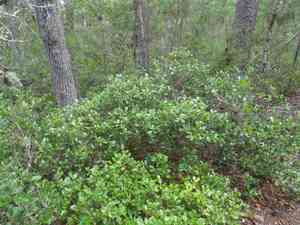
Myrtle oak exhibits diminutive evergreen foliage and a bushy growth pattern, rendering it perfect for creating hedges. Perform pruning during the winter season while the plant is inactive to preserve its form and eliminate deceased or congested limbs. Employ sanitized, keen implements to prevent harm and foster robust new development. Consistent trimming stimulates thicker leaves and enhances air movement, thereby lowering the likelihood of illness. Always consult regional specific directives for optimal methods and adjust accordingly.
What Are the Benefits of Pruning Myrtle Oak?
What Are the Benefits of Pruning Myrtle Oak?
Pruning myrtle oak encourages robust development and maintains its form, fostering a healthy, visually appealing specimen. It also aids in pest and disease resistance, manages size, and can boost overall vitality and lifespan.
What Is the Best Time for Pruning Myrtle Oak?
What Is the Best Time for Pruning Myrtle Oak?
Winter is the optimal season for pruning or trimming myrtle oak as it coincides with the plant's dormant phase. Pruning at this time minimizes stress and allows the plant to conserve energy in preparation for new spring growth. Furthermore, winter pruning lowers the risk of diseases and pests, which are less active in colder temperatures.
What Tools Do I Need to Prune Myrtle Oak?
Hand Pruners
Perfect for severing small branches and twigs up to 1/2 inch in diameter. Essential for accurate cuts and reducing plant stress.
Loppers
Ideal for larger branches, typically ranging from 1/2 inch to 1 1/2 inches in diameter. Provides superior leverage and is suitable for shaping the overall canopy.
Pruning Saw
Required for cutting branches exceeding 1 1/2 inches in diameter. Ensures clean cuts without harming the bark or causing tears.
Pole Pruner
Helpful for reaching elevated branches without needing a ladder. Facilitates safe pruning of the upper sections of myrtle oak.
Bypass Pruners
Crucial for making clean cuts that promote quicker recovery. Bypass mechanisms lessen the chance of crushing plant tissues.
Anvil Pruners
Can be utilized for removing dead or diseased wood. They deliver a firm cut by pressing a sharp blade against a flat surface.
How to Prune Myrtle Oak
Assess
Examine myrtle oak to identify withered leaves, dead branches, and diseased branches.
Tool Prep
Sanitize pruning tools to prevent the spread of disease before making cuts.
Cut Withered Leaves
Trim withered leaves at their base where they meet healthy tissue, using sharp pruning shears.
Remove Dead Branches
Cut dead branches back to a healthy branch or main stem, ensuring a clean, angled cut for proper healing.
Excise Diseased Branches
Remove diseased branches by cutting at least 6 inches below the affected area, disposing of the diseased material properly.
Common Pruning Mistakes with Myrtle Oak
Over-pruning
Removing too many branches at once can stress myrtle oak and hinder its growth. It's crucial to avoid cutting more than 25% of the plant's foliage in a single pruning session.
Improper Cuts
Making incorrect cuts, such as leaving stubs or creating jagged cuts, can lead to diseases and decay. Always make clean cuts just outside the branch collar.
Pruning at Incorrect Angles
Cutting branches at an improper angle can harm the plant and impede healing. Ensure you angle cuts correctly to promote proper healing and water runoff.
Ignoring Disease or Pest Signs
Failing to inspect and address signs of disease or pest infestation before pruning can spread issues throughout the plant. Always clean tools and inspect for problems prior to pruning.
Common Pruning Tips for Myrtle Oak
Sanitize Tools
Always sanitize pruning tools before and after use to prevent the spread of diseases. Clean with a solution of one part bleach to nine parts water.
Use Sharp Tools
Ensure your pruning tools are sharp to make clean cuts, which heal more quickly and reduce the risk of disease.
Target Dead or Diseased Wood
Focus on removing dead, damaged, or diseased branches first to improve the overall health of myrtle oak.
Thin Out Dense Areas
Thin out dense areas to increase air circulation and light penetration, which helps in preventing fungal diseases and promotes healthy growth.
Mind the Branch Collar
Always cut just outside the branch collar (the swollen area where the branch meets the trunk) to ensure proper healing and minimize damage.



