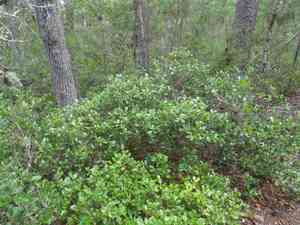
Myrtle oak(Quercus myrtifolia)

Myrtle oak (Quercus myrtifolia)

Also known as: Myrtle Oak

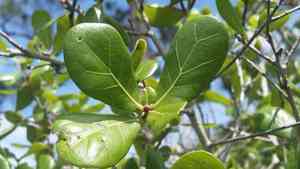
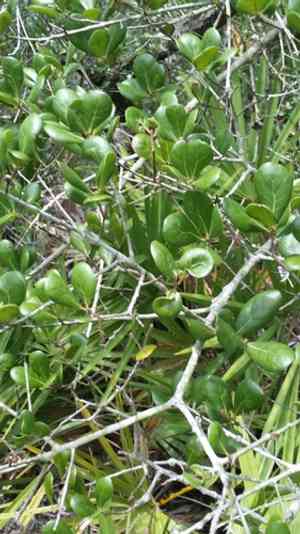
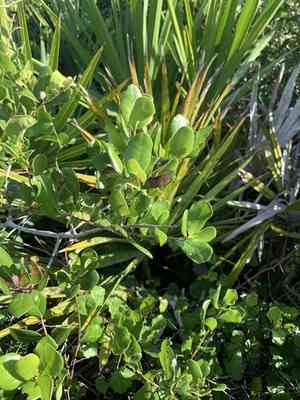
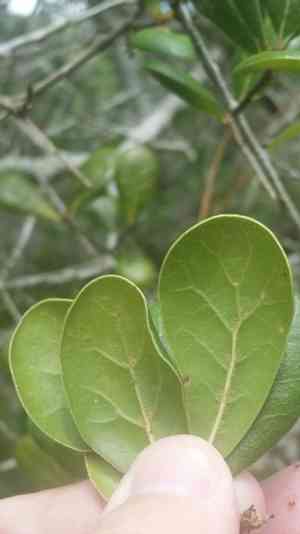
The myrtle oak (Quercus myrtifolia) is a compact, evergreen tree characterized by a rounded canopy. Usually reaching heights of 10 to 20 feet, this species features small, tough, and glossy leaves that are oval and smooth-edged, mirroring the appearance of myrtle leaves. These foliage traits are well-suited to its native dry, sandy environments.

In terms of habitat adaptations, myrtle oak:
- **Soil Adaptability**: Excels in nutrient-poor, sandy soils.
- **Sunlight**: Flourishes in full sunlight but is also capable of enduring partial shade.
- **Fire Adaptation**: Demonstrates resilience to periodic fires common in its scrub and sandhill habitats.
- **Drought Resistance**: Possesses significant drought tolerance due to its efficient root system.

Additionally, the tree's small acorns serve as an essential food source for various wildlife species. The myrtle oak's ability to thrive in harsh, sandy soils underscores its adaptability and hardiness in less-than-ideal growing conditions.

Attributes of Myrtle oak

Lifespan
Perennial
Plant Type
Shrub, Tree
Plant Height
4.5 m to 6 m
Spread
1-2 meters
Leaf Color
Brown Orange Green
Flower Size
0.6-1.5 cm (female flowers are smaller)
Flower Color
Green

ForwardPlant - Identify plants with a snap

Identify and diagnose plants, get toxicity alerts, and explore safety guides for all types of fungi.

Try for Free

Images of Myrtle oak

Myrtle oak(Quercus myrtifolia)

Quickly Identify Myrtle oak

1
Evergreen plant with dark green, leathery leaves, exhibiting a consistent evergreen appearance.
2
Fruit is a dark brown acorn with a rough-textured cap covering 1/4 to 1/3 of nut.
3
Male flowers in yellowish-green drooping catkins, lacking petals but abundant stamens for wind pollination.
4
Distinctive reddish-brown twigs with fine hairs, slender oval shape, and dense branching pattern.
5
Trunk displays smooth gray bark in youth, transitioning to rougher texture with deep furrows in maturity.

Scientific Classification of Myrtle oak

Phylum
Vascular plants
Class
Dicotyledons
Order
Fagales
Family
Beech
Genus
Oaks
Species
Myrtle oak

Planting and Growing of Myrtle oak

Care Difficulty
Easy
Watering Schedule
Every 3 days
Sunlight Requirements
Full sun
Sunshine Duration
4-6 hours
Ideal Temperature
60-85℉
Soil Type
Potting Mix, Peat Mix
Soil pH
6.5-7.5
Fertilizer Type
Balanced
Pruning Season
Spring, Summer
Pruning Area
Branches, Leaves
Pruning Frequency
2 times a year
Repotting Season
Spring
Pot Type
Plastic, Ceramic

water icon How to Water Myrtle oak?

Quercus myrtifolia prefers consistent moisture without being waterlogged. When watering, aim to moisten the soil to a depth of at least 6 inches, ensuring the entire root zone receives water. This encourages deep rooting and drought resilience.
What are the symptoms of an underwatered Myrtle oak?
What should I do if my Myrtle oak is not getting enough water?
What are the symptoms of an overwatered Myrtle oak?
How to save an overwatered Myrtle oak?

sunlight icon What Are the Sunlight Requirements for Myrtle oak?

Sunlight Requirements: Full sun, Partial sun
Duration of light: 6 to 8 hours
Ideal conditions provide full sun to partial sun exposure, promoting robust growth, healthy foliage, and enhanced resistance to diseases and pests due to optimal photosynthetic activity.
Optimal Sun Exposure
Morning Sun Advantage
Balanced Lighting

temperature icon What Is the Ideal Temperature Range for Myrtle oak?

Ideal Temperature: 60 ~ 85℉
Quercus myrtifolia thrives best in temperatures ranging from 60 to 85°F. This range facilitates optimal physiological processes including photosynthesis and nutrient uptake, ensuring robust growth and health of the plant. Maintaining temperatures within this range also promotes healthy leaf coloration and resilience against minor stressors.

soil icon What Soil is Best for Myrtle oak?

Soil type: Sandy soil, Sandy loam
Soil PH: 6.5 ~ 7.5
Quercus myrtifolia prefers soil that drains efficiently to prevent root rot. Well-drained soils allow for the appropriate balance of moisture retention and aeration, which is crucial for root health and nutrient uptake. While not overly demanding, Quercus myrtifolia benefits from soils with a moderate supply of nutrients. This facilitates balanced growth and a robust root system, leading to a healthier plant overall. This species thrives in slightly acidic to neutral pH levels, which assists in optimal nutrient solubility and absorption. Maintaining appropriate pH ensures the plant can access essential nutrients effectively.

fertilize icon How to Fertilize Myrtle oak?

Fertilizer type: Balanced
For Quercus myrtifolia, a moderate approach to fertilization is recommended. Use about 1/4 pound of balanced fertilizer per inch of trunk diameter. This amount ensures the plant receives essential nutrients without overfeeding.

prune icon How to Prune Myrtle oak?

Pruning Time: Spring, Summer, Autumn
Start the pruning process by identifying and removing any dead or diseased branches. Cutting these first ensures that the plant’s energy is directed towards healthier growth. Use secateurs for small branches and a pruning saw for larger limbs. To maintain a beautiful and balanced shape, trim any branches that disrupt the natural symmetry of the tree. Focus on opening up the canopy to allow light and air to reach the inner branches, which helps reduce susceptibility to pests and diseases. More About Pruning Techniques

propagate icon How to Propagate Myrtle oak plant?

Propagate Time: Spring, Early summer
1
Gather seeds from mature Quercus myrtifolia acorns in autumn or take semi-hardwood cuttings in early summer. Cuttings should be 10-15 cm long with a few leaves attached.
2
Use a well-draining mix of sand and peat for seeds, or a peat-based potting mix for cuttings. This ensures proper aeration and moisture retention, crucial for root development.
3
Place seeds in the growing medium at a depth of 2-3 cm or insert cuttings into the medium, ensuring the node is buried. Keep the medium moist without over-watering.
More About Propagating Techniques

repot icon How to Repot Myrtle oak plant?

Repotting frequency: Every 2-3 years
1
Repot Quercus myrtifolia when the roots start to encircle the pot or every 2-3 years. Look for signs like slow growth, reduced leaf size, or water not absorbing well, indicating the plant may need more room to thrive.
2
Choose a pot that's only a few inches larger in diameter than the current one. Opt for a pot with plenty of drainage holes to prevent waterlogging. A slightly bigger pot encourages root growth without excessive soil moisture, which can lead to root rot.
3
Select well-draining sandy loam soil. This type of soil allows for excellent aeration and moisture control, ensuring the roots do not sit in water and have enough breathing space to expand healthily.

ForwardPlant - Identify plants with a snap

Find the best spots for them to optimize their health, simply using your phone.

Try for Free

Toxicity

Ingestion of acorns or foliage

Identify toxic plants for your safety

Learn which plants are harmful to you and your pets, and make informed choices for a safer home!

Try for Free
WARNING
The judgment on toxicity and danger is for reference only. We DO NOT GUARANTEE any accuracy of such judgment. Therefore, you SHALL NOT rely on such judgment. It is IMPORTANT TO SEEK PROFESSIONAL ADVICE in advance when necessary.