How to Prune Evergreen oak?
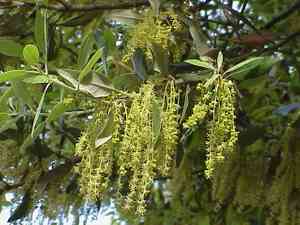
A robust, perennial species, evergreen oak needs very little trimming. The ideal time is during the winter, when it is inactive. To preserve its form and vitality, eliminate deceased or ailing limbs, thin out congested sections of the crown, and trim back any shoots impeding walkways or constructions. Strategic cutting enhances air circulation, lowering the chances of illness, and stimulates fresh development. Keen, sanitized implements are essential to prevent harm to the tree. Excessive pruning should be refrained from to safeguard evergreen oak's inherent hardiness.
Advantages of Trimming Evergreen Oak
Advantages of Trimming Evergreen Oak
Trimming evergreen oak stimulates robust new development, preserving its sturdy framework. Deliberate cuts help maintain the evergreen canopy's neat and full shape, ensuring an attractive appearance while also boosting the plant's overall vigor.
Optimal Period for Pruning Evergreen Oak
Optimal Period for Pruning Evergreen Oak
Pruning evergreen oak from late winter to early spring allows the plant to recover from cuts before its active growth phase begins, minimizing disease and stress risks. This timing also prevents the removal of the current year's growth, which is crucial for acorn production and the tree's overall vitality. Furthermore, the dormant season simplifies viewing evergreen oak's structure for more precise and strategic pruning.
Required Tools for Pruning Evergreen Oak
Hand Pruners (Secateurs)
Perfect for trimming small branches and twigs on evergreen oak, up to 3/4 inch in diameter. Opt for bypass pruners for a clean cut.
Loppers
Ideal for cutting branches between 3/4 inch and 2 inches in diameter. The long handles provide leverage for cutting through thicker growth of evergreen oak.
Pruning Saw
Essential for branches exceeding 2 inches in diameter. A curved blade saw can facilitate reaching and cutting within the dense canopy of evergreen oak.
Pole Pruner
Useful for reaching higher branches without a ladder. Pole pruners often feature both a saw and a bypass cutting blade, perfect for evergreen oak's height.
Hedge Shears
Suitable for shaping and maintaining the dense foliage of evergreen oak, especially for formal hedge work.
Pruning Knife
Helpful for tidying up any rough cuts or jagged edges left after pruning larger branches of evergreen oak.
Chainsaw
Recommended for heavy-duty tasks, such as removing large limbs or significant structural work on mature evergreen oak trees. Should only be operated by experienced individuals.
Method for Pruning Evergreen Oak
Clean
Ensure all pruning tools are clean and sharp to prevent disease spread and make precise cuts on evergreen oak. Sanitize tools with isopropyl alcohol or a 10% bleach solution before and after use to minimize infection risks to evergreen oak.
Inspect
Thoroughly examine the canopy and structure of evergreen oak to identify dead or diseased branches. Look for discoloration, fungal growth, and other signs of damage that can impair the health of evergreen oak.
Cut
Make cuts to remove dead branches using the three-cut method: the first cut is made on the underside of the branch several inches from the trunk to prevent tearing; the second cut is made on the top side, further out to remove the bulk of the branch; the final cut is made close to the collar of the branch, as clean and flush as possible without damaging the collar.
Monitor
After pruning, monitor evergreen oak for any signs of stress or further disease. Additional pruning may be necessary if signs of decay or poor health persist.
Disposal
Dispose of dead and diseased material properly to avoid spreading infection. Do not compost diseased branches; instead, burn them if possible or dispose of them according to local regulations.
Frequent Pruning Errors with Evergreen Oak
Excessive Pruning
Removing too much foliage from evergreen oak can hinder its ability to photosynthesize and store energy, ultimately weakening the tree.
Incorrect Cutting
Making cuts too close to the trunk can damage the collar, slowing down the healing process, while leaving too much of a stub can invite pests and disease.
Tearing Bark
Improper cutting technique can lead to bark tearing, which exposes evergreen oak to infections and can cause significant harm to the tree.
Pruning To Shape
Attempting to overly shape evergreen oak may lead to an unnatural appearance and imbalanced growth, as evergreen oak has a naturally pleasing shape that usually requires minimal intervention.
Tool Misuse
Using dull or dirty pruning tools can create jagged cuts that are more susceptible to infection and also make the task more laborious.
Ignoring Diseased Limbs
Failing to remove diseased or damaged branches can allow the disease to spread, affecting the overall health of evergreen oak.
Neglecting Safety
Ignoring personal safety by not wearing protective gear or using ladders improperly can result in injuries.
General Pruning Advice for Evergreen Oak
Correct Tools
Use sharp, clean pruning shears, loppers, or a pruning saw depending on the size of the branches to make clean cuts.
Clean Cuts
Making clean cuts at a 45-degree angle just above outward-facing buds promotes healthy regrowth and allows water to run off the cut surface.
Branch Collar
When removing larger branches, cut just outside the branch collar to encourage proper healing while avoiding damage to the trunk.
Structural Pruning
Focus on removing any crossing, rubbing, or inward-growing branches to maintain the structural integrity and aesthetic form of evergreen oak.
Deadwood Removal
Regularly inspect and remove any dead or broken branches to prevent decay organisms from entering evergreen oak.
Thin Crown
Thin the crown if necessary to improve air circulation and sunlight penetration, which helps reduce the risk of disease and promotes a healthier evergreen oak.
Watch Growth
Monitor new growth following pruning to ensure evergreen oak maintains a balanced structure and form
Safety First
Always prioritize safety by wearing protective gear and using proper techniques when climbing or using ladders.



