How to Prune Blue oak?
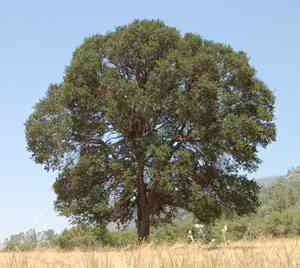
A native Californian species that sheds its leaves, blue oak is prized for its hardiness and appealing leaves. Essential trimming methods involve eliminating deceased or ailing branches and reducing dense limbs to improve its form and allow more light to pass through. The ideal time for pruning is from late winter to early spring, being careful not to cut back too much, which could be harmful. Pruning boosts its well-being and can encourage development, with particular attention paid to not harming the distinctive blue-hued foliage that gives blue oak its appeal.
What Are the Benefits of Pruning Blue Oak?
What Are the Benefits of Pruning Blue Oak?
Trimming blue oak promotes robust development and maintains its desired shape. It aids in eliminating dead or damaged limbs, allowing for new growth that contributes to the tree's strong framework and vitality.
What Is the Best Time for Pruning Blue Oak?
What Is the Best Time for Pruning Blue Oak?
These periods are ideal because blue oak is inactive during winter, minimizing stress and preventing excessive sap loss that can occur during active growth. Pruning in late winter avoids the coldest weather, which can harm fresh cuts, while early spring pruning ensures quick wound healing before new growth begins. This timing allows for the removal of any winter-damaged branches before the tree allocates energy to new growth and helps maintain blue oak's health and structure without affecting its flowering or fruiting cycles, which typically happen later in the season.
What Tools Do I Need to Prune Blue Oak?
Bypass Hand Pruners
Perfect for making clean cuts on small branches less than an inch in diameter. Bypass pruners operate like scissors, with two blades passing each other, which is less likely to harm the plant's tissues.
Loppers
These are suitable for slightly larger branches, typically up to 2 inches in diameter. Loppers feature long handles that provide additional leverage for cutting through thicker growth.
Pruning Saw
Essential for branches over 2 inches thick that hand pruners or loppers cannot manage. A pruning saw facilitates cutting larger limbs with greater precision and care.
Pole Pruner
For elevated branches that are out of reach from the ground. A pole pruner can usually cut through thinner branches and often includes a saw attachment for thicker ones.
Chainsaw
Only to be utilized for the largest branches or when removing substantial portions of blue oak. It demands expertise and safety gear; therefore, a professional should be consulted if extensive pruning is required.
How to Prune Blue Oak
Step1: Timing for Pruning
Determine the optimal time to prune blue oak, which is generally in late winter to early spring before new growth commences, when the tree is dormant and its structure is clearly visible.
Step2: Pruning Tool Preparation
Prepare the necessary tools for trimming blue oak, including sharp pruning shears, loppers, and a saw for larger branches. Ensure tools are clean and sanitized to prevent disease transmission.
Step3: Dead Wood Identification
Thoroughly inspect blue oak to identify all dead wood. Dead branches will be dry, brittle, and devoid of green growth. Mark the branches to be removed with a non-damaging marker to ensure no live branches are accidentally cut.
Step4: Dead Branch Removal
Begin pruning blue oak by removing dead wood. Cut dead branches back to their point of origin on a larger branch or the trunk. Make cuts just outside the branch collar to promote proper healing without harming the growth tissue.
Step5: Damaged Limb Examination
Examine blue oak for damaged limbs, which may have resulted from weather, animals, or disease. Damage can include splits, breaks, or wounds in the wood. If a damaged limb is still partially attached, support the branch carefully to prevent further injury to the tree as you cut.
Step6: Damaged Limbs Pruning
Trim away the damaged limbs of blue oak by making clean cuts to remove the entire damaged section. If the limb is large, use a three-cut method to prevent bark ripping: first undercut the limb, then make a cut a few inches down from the top, and finally, cut just outside the branch collar to remove the stub.
Step7: Diseased Branch Detection
Locate diseased branches on blue oak, which may exhibit discoloration, cankers, or unusual growths. Take extra precautions to avoid spreading the disease to healthy parts of the tree.
Step8: Cutting Diseased Branches
Sever diseased branches of blue oak well below the affected portions. After each cut, sterilize the pruning tools with a solution of 1 part bleach to 9 parts water or rubbing alcohol to prevent transferring pathogens to healthy tissue.
Step9: Canopy Thinning
Thin out the canopy of blue oak if necessary to enhance light and air penetration, focusing on removing some of the smaller branches within the canopy. However, do not remove more than 1/4 of the tree's crown in a single pruning session.
Step10: Post-Pruning Cleanup
After trimming blue oak, clean up all removed material by collecting and disposing of it properly, especially diseased parts, to prevent any potential disease from spreading in your garden.
Step11: Post-Pruning Monitoring
Monitor blue oak after pruning for signs of new growth or any issues. Avoid applying wound dressing or paint as blue oak typically heals better naturally without these products.
Post-Pruning Care for Blue Oak
Post-Pruning Care for Blue Oak
Immediately after trimming blue oak, ensure clean cuts to prevent pest entry. Optimize light exposure but avoid scorching; maintain moderate humidity and stable, cooler temperatures to reduce stress. Apply balanced fertilizer to promote healing and growth, but do not over-fertilize. Regularly check for discoloration or dieback as indicators of stress or infection, and apply appropriate fungicide or insecticide treatment if needed. Maintain consistent soil moisture without overwatering.
Common Pruning Mistakes with Blue Oak
Over-pruning and resulting stress
Removing too much at once, which can stress blue oak and make it susceptible to disease or pests.
Damaging cuts near the trunk or branch collar
Cutting too close to the trunk or parent branch, potentially harming the branch collar and impeding proper healing.
Using unclean or dull pruning equipment
Employing dirty or dull tools, which can result in rough cuts that are more prone to infection.
Causing bark tears with improper cuts
Tearing bark by making incorrect cuts or not supporting branches while cutting, which can create entry points for pathogens.
Pruning without a plan and balance
Trimming without a clear objective, leading to unnecessary branch removal and an unbalanced structure.
Common Pruning Tips for Blue Oak
Tool sanitation to prevent disease
Sanitize pruning tools before and after use to prevent the spread of disease.
Removing detrimental branches for health
Identify and remove any dead, diseased, or crossed branches to improve air circulation and overall blue oak health.
Proper angle and location of cuts
Cut branches at a slight angle, about 1/4 inch above a bud facing the outside of the tree, to encourage proper water runoff and prevent rot.
Prune for natural shape and canopy health
Maintain the natural, rounded shape of blue oak when pruning for aesthetics, removing no more than 10-15% of the canopy at a time.
Support branches to prevent bark tears
Support larger branches with one hand or use ropes when making cuts to avoid tearing the bark.



