How to Prune Japanese emperor oak?
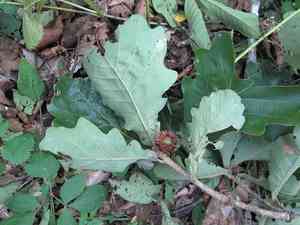
The japanese emperor oak, a deciduous tree recognized for its substantial foliage and rapid development, flourishes with precise trimming. Essential methods involve reducing congested limbs and eliminating deceased or ailing timber to preserve its well-being and framework. The most favorable period for pruning is in late winter or early spring to lessen sap leakage and stimulate strong new development. Shaping this oak can amplify its impressive appearance and foster vibrant, healthy leaves, ensuring it stands out in any setting.
Advantages of Trimming japanese emperor oak
Advantages of Trimming japanese emperor oak
Trimming japanese emperor oak promotes robust development and maintains its desired form. Strategic cutting eliminates dead or crowded branches, improving air circulation and sunlight exposure. This leads to a stronger, healthier tree with an attractive appearance.
Optimal Time for Trimming japanese emperor oak
Optimal Time for Trimming japanese emperor oak
Trimming japanese emperor oak in late winter or early spring is ideal, typically before new growth begins. This timing facilitates quick wound recovery and minimizes disease risk. It also prevents the removal of flower buds that could diminish the upcoming season's display. Pruning while the tree is dormant allows for shaping without leaves obscuring the branch structure, enabling more precise cuts. Additionally, it reduces stress for japanese emperor oak as resources are conserved for vital spring growth.
Required Tools for Trimming japanese emperor oak
Hand Pruners
Perfect for cutting small branches and twigs on japanese emperor oak, hand pruners offer precision and control for shaping.
Loppers
With extended handles, loppers provide leverage to cut through japanese emperor oak's thicker branches, typically up to 2 inches in diameter.
Pruning Saws
For mature japanese emperor oak specimens with branches exceeding 2 inches in thickness, a pruning saw is essential for clean cuts without bark damage.
Pole Pruners
To safely reach higher branches of japanese emperor oak from the ground, pole pruners combine a saw and a lopper on an extendable pole.
Hedge Shears
Though not commonly used for japanese emperor oak, hedge shears can assist in shaping and maintaining its form if grown as a hedge.
How to Trim japanese emperor oak
Cleaning
Identify and remove all dead and diseased branches from japanese emperor oak to prevent disease spread and enhance air circulation. Make cuts at a slight angle, just above a healthy bud or secondary branch.
Thinning
Thin out the canopy of japanese emperor oak by selectively removing some smaller branches that are overcrowded or rubbing against each other. This increases light penetration and airflow, benefiting the tree's overall health.
Crossing
Locate and prune away branches that are crossing or could rub against each other on japanese emperor oak. These can create wounds and entry points for pests and diseases.
Shaping
Shape japanese emperor oak by trimming back any irregular or protruding branches to maintain a natural, balanced tree form. Avoid excessive cutting into old wood, as japanese emperor oak may not readily produce new growth from such cuts.
Safety
Ensure all cuts are clean and use sharp pruning tools to prevent damage to japanese emperor oak. Sterilize your pruning equipment before and after use to prevent disease transmission.
Common Trimming Errors with japanese emperor oak
Over-Pruning
Removing too much foliage at once from japanese emperor oak can stress the tree, impede its growth, and reduce its vitality.
Improper Cuts
Incorrect cutting techniques can result in jagged or torn bark, potentially leading to disease and pest infestations in japanese emperor oak.
Removing Large Branches
Cutting large branches without proper technique can cause irreversible damage to the main structure of japanese emperor oak.
Pruning During Growth
Trimming japanese emperor oak when it is actively growing can lead to excessive sap loss and may weaken the tree's overall health.
Neglecting Tools
Using dull or unclean pruning tools can damage the branches of japanese emperor oak and increase the risk of disease.
General Trimming Advice for japanese emperor oak
Clean Cuts
Make clean, sharp cuts on japanese emperor oak to prevent damage and facilitate quicker healing. Use high-quality and sanitized pruning tools.
Branch Collar
When removing branches, cut outside the branch collar to promote proper healing and prevent decay in japanese emperor oak.
Selective Thinning
Practice selective thinning to open up the interior of japanese emperor oak for better light penetration and air circulation, fostering a healthier tree.
Maintenance Pruning
Regular maintenance pruning should focus on removing dead, damaged, or diseased wood to preserve the health of japanese emperor oak.
Structural Pruning
For young japanese emperor oak, prioritize structural pruning to establish a strong framework. For mature trees, preserve the main branching structure and avoid removing large branches where possible.



