How to Prune Burmese rosewood?
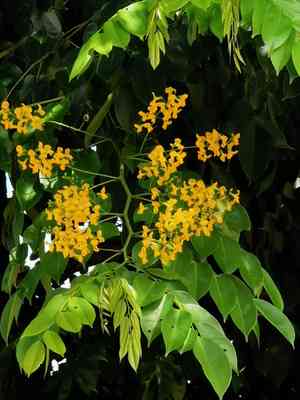
A tropical timber renowned for its decorative applications and therapeutic qualities, burmese rosewood is recognized by its vibrant golden-yellow timber. Successful trimming entails eliminating deceased or excessively dense limbs to improve air movement and light access. The ideal period to trim burmese rosewood is in the winter months when it exhibits greater resilience to strain. Trimming this variety encourages fresh development and can refine its structure and robustness. It is essential to execute precise cuts near the branch collar to avert harm and illness.
What Are the Benefits of Pruning Burmese Rosewood?
What Are the Benefits of Pruning Burmese Rosewood?
Trimming burmese rosewood promotes robust development and helps preserve its desired form. Strategic cuts enhance plant vitality and framework, ensuring an attractive landscape presence.
What Is the Best Time for Pruning Burmese Rosewood?
What Is the Best Time for Pruning Burmese Rosewood?
From late winter to early spring, burmese rosewood is typically inactive, which minimizes plant stress. This period also allows for the removal of any winter frost damage. Such timing prevents interference with sap flow, which could lead to excessive bleeding and plant weakening. Furthermore, pruning before the growth season begins helps stimulate new growth, ensuring burmese rosewood recovers quickly and channels energy into producing fresh, healthy foliage. Avoiding the flowering and fruiting periods, common in other seasons, ensures the plant's reproductive cycle remains undisturbed, thus preserving its ornamental and functional qualities.
What Tools Do I Need to Prune Burmese Rosewood?
Hand Pruners
Perfect for trimming smaller branches and twigs of burmese rosewood, especially for precise cuts that encourage healthy regrowth.
Lopping Shears
These are essential for cutting through thicker branches, typically up to 1.5 inches in diameter, which burmese rosewood might possess due to its potential large size.
Pruning Saw
A pruning saw is crucial when dealing with mature burmese rosewood specimens, particularly for branches too thick for lopping shears.
Pole Pruner
For hard-to-reach branches on taller burmese rosewood specimens, this tool offers the necessary extended reach without needing a ladder.
Hedge Shears
While not for structural pruning, these can be used for shaping the leafy canopy of burmese rosewood if a formal hedge appearance is desired.
How to Prune Burmese Rosewood
Sanitize Tools
Before beginning the pruning process, sterilize all cutting implements with a solution of 1 part bleach to 9 parts water to prevent disease transmission.
Dead Branches
Identify and remove any dead branches from burmese rosewood. Make cuts at a 45-degree angle, just above a live bud or branch junction, to encourage healthy regrowth.
Diseased Branches
Carefully cut away diseased branches from burmese rosewood, ensuring the entire affected area is removed. Disinfect cutting tools after each cut to avoid contaminating healthy parts.
Thinning
Thin out the canopy of burmese rosewood by selectively removing some branches to improve air circulation and light penetration. Apply thinning cuts evenly throughout the tree to maintain balance and shape.
Cleanup
Remove all cuttings and debris from around burmese rosewood to minimize the risk of disease and pests. Dispose of diseased material properly, away from the garden, to prevent reinfection.
Common Pruning Mistakes with Burmese Rosewood
Overpruning
Removing too much foliage at once can stress burmese rosewood, leading to weak growth and reduced vitality. Aim to remove no more than one-quarter to one-third of the overall canopy in a single session.
Improper Cuts
Incorrect cutting techniques, such as leaving stubs or making flush cuts against the trunk, can hinder the healing process and may invite pests and diseases. Make clean cuts at a 45-degree angle just above outward-facing buds or branches.
Tool Hygiene
Using dirty pruning tools can introduce pathogens to burmese rosewood. Always clean and disinfect tools before and after use to maintain plant health.
Neglecting Deadwood
Failing to regularly remove dead or diseased wood can allow problems to persist or spread. Inspect burmese rosewood periodically and remove problematic wood promptly.
Pruning Without A Plan
Random or excessive cutting without understanding the growth pattern of burmese rosewood can result in an unsightly shape and weakened structure. Prune with an intent to maintain the natural form.
Ignoring Safety
Not wearing proper safety gear or using inappropriate tools can lead to accidents. Wear gloves, use sharp tools, and if necessary, seek professional help for tall specimens.
Common Pruning Tips for Burmese Rosewood
Sharp Tools
Use sharp, clean pruning shears or saws to make precise cuts. This ensures quicker healing and reduces the risk of disease.
Natural Shape
Prune to enhance the natural shape of burmese rosewood, removing only the necessary branches to avoid creating an unnatural appearance or compromising the tree's structure.
Water Sprouts And Suckers
Regularly remove water sprouts and suckers, as they divert energy away from the main structure and can create a cluttered appearance.
Selective Thinning
Thin out crowded branches to improve air circulation and light penetration, which promotes the overall health and flowering of burmese rosewood.
Crossing Branches
Identify and remove branches that cross or rub against each other, which can cause wounds and act as entry points for pests and diseases.
Correct Timing
While the best season for pruning has been excluded, ensure that pruning is carried out at a suitable time to avoid disrupting the growth cycle of burmese rosewood.



