How to Prune Slender brake?
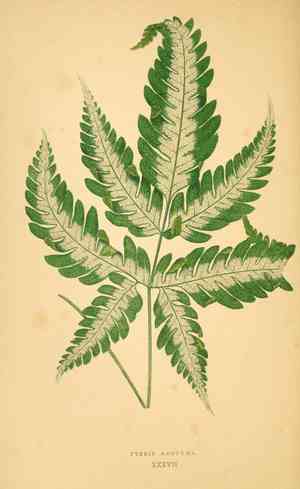
The graceful fern, recognized for its blade-like leaves, flourishes with regular trimming. For slender brake, essential pruning methods involve eliminating any discolored or lifeless fronds from the base, making sure cuts are executed near the ground level without harming emerging shoots. The most effective time for pruning is in early spring or late winter, aligning with the plant's inherent resting period and to stimulate robust new development. Trimming boosts the plant's health and preserves a neat look.
Advantages of Trimming Slender Brake
Advantages of Trimming Slender Brake
Trimming slender brake promotes robust development and helps maintain its desired form. Eliminating old or crowded fronds enhances air circulation, lowering disease risk and fostering a lush, compact shape, crucial for both beauty and plant vitality.
Optimal Time for Trimming Slender Brake
Optimal Time for Trimming Slender Brake
Pruning slender brake from late winter to early spring is beneficial as it coincides with the end of the plant's dormant phase, encouraging vigorous growth once the active season begins. Late winter pruning prepares slender brake by removing any dead or diseased fronds before new growth starts, thus preventing resource waste on unhealthy foliage. Early spring is also ideal because it precedes the plant's rapid growth period. Any cuts made then will heal faster, causing less stress to slender brake, and not disrupting its natural growth cycle. Pruning outside this window, especially during active growth or when the plant is stressed by extreme temperatures, can impede slender brake's development and overall health.
Necessary Tools for Pruning Slender Brake
Small, sharp scissors or snips
These enable precise trimming of slender brake's fronds without harming the plant's structure, as slender brake possesses delicate foliage requiring careful handling.
Hand pruners or secateurs
These should be utilized for removing any tougher, browned, or damaged fronds at the base, providing a clean cut that encourages healthy growth without harming the crown.
Gloves
Though not a cutting tool, gloves are advised to shield the gardener's hands from sharp frond edges and to maintain cleanliness, reducing the chance of pathogen transfer to pruning wounds.
How to Prune Slender Brake
Sanitize tools
Sterilize pruning implements using a solution of one part bleach to nine parts water to prevent disease spread.
Remove diseased leaves
Carefully cut off any diseased leaves of slender brake at their base, near the central stipe (stem), to prevent further infection.
Trim withered leaves
Cut withered leaves at the point where they emerge from the rhizome to encourage healthy growth and improve air circulation around slender brake.
Disposal
Dispose of the removed diseased and withered foliage of slender brake in a waste bin or compost if not infectious to avoid contaminating other plants.
Clean up
Clean the tools again after pruning slender brake to remove any leftover plant sap or disease spores before storage.
Common Pruning Errors with Slender Brake
Excessive pruning
Removing too many fronds from slender brake at once can stress the plant, leading to poor growth or health issues.
Cutting green fronds
Cutting healthy, green fronds can deprive slender brake of essential energy and should be avoided unless they are damaged or diseased.
Incorrect tool use
Using dull or dirty pruning tools can damage the fronds of slender brake and introduce diseases to the plant.
Pruning too close
Cutting the fronds of slender brake too close to the base can harm the central crown, potentially impeding new frond development.
Ignoring dead fronds
Failing to remove dead or yellowing fronds can hinder slender brake's growth and may create a haven for pests and diseases.
General Pruning Advice for Slender Brake
Sterilized tools
Using clean, sharp, and sterilized pruning tools helps prevent disease transmission and ensures clean cuts that heal quickly for slender brake.
Angled cuts
Making angled cuts away from the base of slender brake helps water drain off the cut surface, reducing rot and fungal infections on the pruning wounds.
Selective pruning
Carefully choose which fronds to prune based on their health and contribution to the plant's appearance, removing only those that are dead, damaged, or diseased.
Minimal pruning
Limit pruning to maintain the natural shape of slender brake, as it generally requires minimal upkeep and responds best to light pruning.
Follow frond contour
Cut along the natural contour of the fronds on slender brake to maintain its aesthetic and promote even growth patterns.



