
Slender brake (Pteris ensiformis)
Also known as: Sword brake fern, Sword brake
Pteris ensiformis, a fern native to tropical and subtropical regions of Asia and the Pacific Islands, is prized in ornamental gardening for its striking variegated fronds. Numerous cultivars are available, making it a popular choice for indoor gardens, terrariums, and shaded outdoor areas. However, outside its native habitat, it can sometimes become invasive, as seen in New Zealand where it is considered an exotic species that can cause minor issues.
In This Article
Attributes of Slender brake
Lifespan
Perennial
Plant Type
Fern
Plant Height
24 cm to 94 cm
Spread
30 cm to 60 cm
Leaf Color
Green Silver
Flower Size
Not applicable
Flower Color
Not applicable
Images of Slender brake
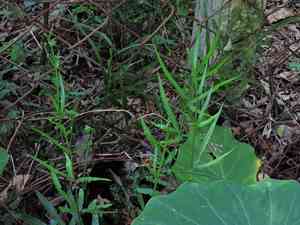
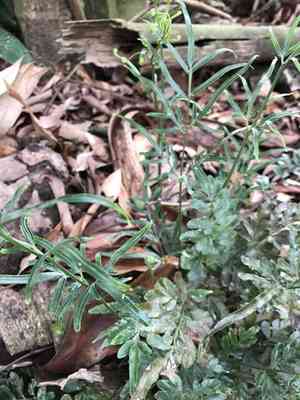
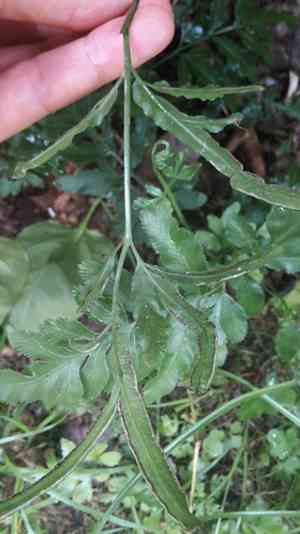
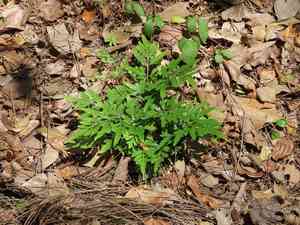
Quickly Identify Slender brake
1
This fern can be identified by its narrow, sword-shaped fronds that are pinnate and can grow up to 60 cm long. The fronds are typically green with a slight sheen.
Scientific Classification of Slender brake
Phylum
Vascular plants
Class
Ferns
Order
Polypodiales
Family
Brake
Genus
Brakes
Species
Slender brake
Planting and Growing of Slender brake
Care Difficulty
Easy
Watering Schedule
Every 4 days
Sunlight Requirements
Partial sun
Sunshine Duration
6-10 hours
Ideal Temperature
65-75℉
Soil Type
Potting Mix, Peat Mix
Soil pH
6.5-7.5
Fertilizer Type
Balanced
Pruning Season
Spring, Summer
Pruning Area
Branches, Leaves
Pruning Frequency
2 times a year
Repotting Season
Spring
Pot Type
Plastic, Ceramic
 How to Water Slender brake?
For the graceful Pteris ensiformis, water each time to provide about 250 ml. The aim is to dampen the soil evenly without leaving it waterlogged. Allow the water to absorb until it drips slightly from the pot's bottom, which ensures adequate hydration without risking root rot.
What are the symptoms of an underwatered Slender brake?
›
What should I do if my Slender brake is not getting enough water?
›
What are the symptoms of an overwatered Slender brake?
›
How to save an overwatered Slender brake?
›
 What Are the Sunlight Requirements for Slender brake?
Pteris ensiformis thrives in partial sun or full shade. Ideal lighting helps deepen leaf color and improves growth patterns, ensuring a healthy and resilient plant.
More About Sunlight Requirements Techniques→
Question 1
›
Question 2
›
Question 3
›
 What Is the Ideal Temperature Range for Slender brake?
The ideal temperature range for Pteris ensiformis is between 65 to 75 degrees Fahrenheit. This range allows the fern to maintain optimal metabolic functions and encourages healthy growth and vibrant foliage.
 What Soil is Best for Slender brake?
Pteris ensiformis thrives in well-draining soil which prevents waterlogging and root rot. This type of soil ensures adequate air flow and moisture retention, fostering healthy root development and vigorous growth. This plant benefits from moderate nutrient levels in the soil that supply essential minerals without overwhelming the plant. Proper nutrient balance supports lush frond development and vibrant green coloration. Maintaining consistent soil moisture is crucial for Pteris ensiformis, as it prevents drought stress and promotes steady growth. Ensuring the soil remains damp but not soggy protects against dehydration and nutrient deficiency.
 How to Fertilize Slender brake?
For Pteris ensiformis, the fertilizer amount should be moderate to avoid root burn or other damage. Use a balanced 10-10-10 liquid fertilizer, diluted to half strength, at about 50 ml per application. This helps provide balanced nutrients without overwhelming the plant.
 How to Prune Slender brake?
Start by inspecting the plant. Identify any dead, yellowing, or damaged fronds. It's essential to remove these as they can draw nutrients away from healthy parts of the plant. Carefully cut the identified dead or unwanted fronds at the base near the soil line. Make sure not to pull on the fronds as this can damage the plant's crown. Trim the plant to maintain its natural shape. If your Pteris ensiformis starts to spill out of its designated space, you can selectively prune the outer fronds for a tidier appearance.
More About Pruning Techniques→
 How to Propagate Slender brake plant?
1
Choose a Pteris ensiformis plant that shows no signs of disease or distress. This ensures that the divisions will be robust and have a higher chance of successful establishment.
2
Gently remove the plant from its pot or garden bed. Use a spade to divide the root mass into smaller sections, each with a proportionate amount of roots and foliage. Handle with care to minimize root damage.
3
Plant each division into a suitable container or garden spot with well-prepared soil. Water thoroughly to settle the soil around the roots, removing air pockets and providing initial hydration.
 How to Repot Slender brake plant?
1
Pteris ensiformis signals a need for repotting when its roots start to encircle the pot, or when growth appears stunted despite ideal conditions. Spring and autumn are ideal for repotting since these seasons provide balanced temperatures and moisture levels, ensuring minimal stress on the plant. Keeping an eye on the root development is key to timely repotting.
2
Select a pot that is one size larger than the current one, with several drainage holes at the bottom. Opting for a pot made of breathable material like terracotta can help regulate moisture levels and encourage healthy root development. A well-chosen pot prevents overcrowding, ultimately promoting a robust growth environment for your plant.
3
For repotting Pteris ensiformis, choose a soil mix rich in organic matter, with excellent drainage to avoid waterlogging. A combination of peat moss, perlite, and compost provides the ideal conditions for root health. This soil mix not only anchors the plant securely but also retains the necessary nutrients and moisture to fuel its growth.



