How to Prune Guava?
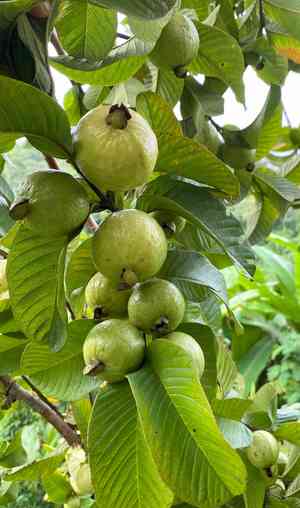
Originating from tropical climates, guava is valued for its delectable fruit and therapeutic foliage. Ideal trimming involves excising dead or ailing wood, reducing dense branches, and forming the crown to improve airflow. Perform pruning in early spring to stimulate vigorous new development. Consistent pruning boosts fruit yield and facilitates efficient pest control, leading to a strong and fruitful guava. Maintaining precise and minimal cuts safeguards the plant's well-being.
What Are the Benefits of Pruning Guava?
What Are the Benefits of Pruning Guava?
Trimming guava promotes a more plentiful yield by directing the plant's energy towards fruit development. It encourages guava to grow more vigorously, fostering stronger branches and foliage. This method also maintains the plant's form, keeping it visually appealing and manageable in size.
What Is the Best Time for Pruning Guava?
What Is the Best Time for Pruning Guava?
Early spring is considered optimal for pruning guava as this period follows dormancy and precedes rapid growth, allowing the plant to recover and thrive post-trimming. Pruning at this time helps prevent harm to new shoots that emerge as temperatures rise. Additionally, it aids in stopping disease spread, which is less active in cooler early spring weather. Pruning during this season supports healthier, more productive growth during guava's flowering and fruiting stages.
What Tools Do I Need to Prune Guava?
Hand Pruners
These are perfect for making clean cuts on small branches and twigs of guava.
Lopping Shears
Guava with thicker branches can be effectively trimmed using these, as they offer greater leverage and can cut branches up to 1.5 inches in diameter.
Pruning Saw
For mature guava with branches exceeding 1.5 inches in thickness, a pruning saw is essential for cutting without harming the plant.
Hedge Shears
These can be utilized for shaping guava if a formal hedge appearance is desired.
Pole Pruner
For reaching higher branches on a large guava without using a ladder, this tool is practical and safe.
How to Prune Guava
Step1: Health Assessment Pre-Pruning
Evaluate the guava tree's overall health before trimming. Look for yellow leaves, withered branches, signs of disease, pests, or other damage. Ensure pruning occurs during the correct season, typically after harvest but before the rainy season begins.
Step2: Tool Sterilization
Sanitize all your pruning tools with alcohol or a 10% bleach solution to prevent disease transmission. Use sharp, clean shears for precise cuts.
Step3: Removal of Yellow Leaves
Identify and remove yellow leaves by cutting them at the base of the leaf stem. It's crucial to remove these leaves as they can indicate nutrient deficiency, disease, or insufficient sunlight.
Step4: Withered Branch Identification
Locate withered branches on the guava. These are typically dry, brown, and lack any green growth or healthy leaves. Check for branches that may cross or rub against others, as these can also become withered from damage.
Step5: Withered Branch Pruning
Trim withered branches by making clean cuts at a 45-degree angle about 1/4 inch above an outward-facing bud of the guava. This promotes outward growth. Cut back to a healthy part of the branch, if possible. If the entire branch is withered, cut it back to its origin point or to the nearest lateral branch.
Step6: Post-Pruning Shape Evaluation
After removing yellow leaves and withered branches, step back and assess the guava for shape and balance. Make additional thinning cuts as needed to improve air circulation and light penetration throughout the guava.
Step7: Disposal of Pruned Material
Dispose of all removed material promptly and away from healthy guava plants to prevent the spread of any potential diseases.
Step8: Tool Cleaning and Maintenance Post-Pruning
After pruning, clean the tools again to eliminate any residue that could spread to other plants. Oil the shears to prevent rust.
Step9: Post-Pruning Watering
Water the guava sufficiently after pruning to help reduce stress on the tree and encourage recovery.
Step10: Post-Pruning Monitoring and Care Adjustment
Monitor the guava following pruning for signs of new growth and health. Adjust care practices as necessary to promote a healthy recovery.
Post-Pruning Care for Guava
Post-Pruning Care for Guava
Immediately after trimming guava, ensure clean cuts to prevent disease. Provide a well-draining environment with bright, indirect light to support healing. Maintain humidity around 60-70% and slightly increase watering frequency, avoiding waterlogged soil. Apply a balanced, light fertilizer to promote growth, but only after new growth appears. Monitor for wilting, discoloration, or pests as signs of stress. If detected, adjust care and possibly consult a plant pathologist for advanced diseases.
Common Pruning Mistakes with Guava
Unsterilized Tools Spread Disease
Failing to sterilize pruning tools, which can lead to the spread of diseases to guava.
Over-Pruning Stunts Growth
Trimming too much at once, potentially stressing guava and hindering its growth or fruit production.
Improper Cuts Harm Plant Healing
Leaving stubs or making uneven cuts that can impede proper healing and attract pests or diseases.
Neglecting Water Sprouts and Suckers
Not removing water sprouts and suckers that divert energy from the fruit-bearing parts of guava.
Ignoring Dead or Diseased Branches
Overlooking dead, damaged, or diseased branches, which can compromise the overall health of guava.
Common Pruning Tips for Guava
Clean Cuts with Sharp Tools
Always use clean, sharp tools to make precise cuts, minimizing damage to guava's tissues.
Proper Angle and Placement of Cuts
Cut at a 45-degree angle about 1/4 inch above an outward-facing bud to promote outward growth and prevent water accumulation.
Thinning for Better Air and Sunlight
Thin out the center of guava to improve air circulation and sunlight penetration, which are vital for healthy growth and fruit ripening.
Remove Unhealthy Limbs Regularly
Regularly remove dead, damaged, or diseased limbs to keep guava healthy and prevent the spread of pathogens.
Prune Lower Branches to Clear Trunk
Trim the lower branches to maintain a clear trunk up to about 50-60 cm, which can facilitate easier harvesting and maintenance.



