How to Prune False starwort?
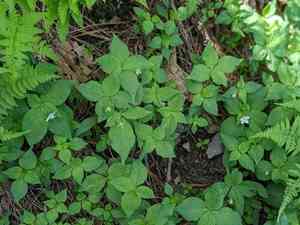
This enduring herb thrives in dimly lit environments, yielding tiny, star-shaped blossoms. For false starwort, strategic trimming during spring or summer fosters robust development and plant vitality. Snip off the ends to encourage a denser form, and eliminate any withered or compromised stalks to preserve the plant's appearance and deter ailments. Trimming immediately following the main flowering period can also boost the subsequent season's output. Consistent pruning keeps false starwort contained and can enhance air movement, lowering the likelihood of fungal infestations.
What Are the Benefits of Pruning False Starwort?
What Are the Benefits of Pruning False Starwort?
Trimming false starwort encourages robust development and maintains its form, leading to a healthier, more attractive plant that flourishes in its setting.
What Is the Best Time for Pruning False Starwort?
What Is the Best Time for Pruning False Starwort?
Pruning in Late Spring allows gardeners to remove any dead or damaged growth from false starwort after winter's potentially harsh conditions. This timing coincides with the start of the plant's active growth cycle, fostering healthier development and improved access to sunlight and air circulation for the remaining stems. Early Summer pruning, soon after the initial spring growth spurt, helps to shape the plant and manage its size, which is crucial for maintaining an appealing form. It also prevents the removal of stems that might later produce flowers or fruits in the summer months. Pruning during these seasons avoids stressing false starwort during its winter dormancy and ensures the plant has ample time to recover and seal cuts before colder weather.
What Tools Do I Need to Prune False Starwort?
Hand Pruners
Perfect for making precise cuts on the small, delicate stems of false starwort. Hand pruners offer gardeners the control needed to prune without causing undue harm to the plant.
Pruning Snips
Excellent for deadheading or trimming spent flowers on false starwort. Their fine-pointed blades allow for accuracy in tight spaces and minimize disruption to nearby plant parts.
Garden Scissors
Useful for snipping thin, non-woody stems of false starwort. Garden scissors can help maintain the plant's tidy appearance without the bulk of larger tools.
How to Prune False Starwort
Sanitization
Clean and disinfect pruning tools to prevent disease spread when trimming false starwort.
Identification
Examine false starwort for diseased and withered leaves, as well as any affected stems.
Pruning diseased leaves
Carefully remove diseased leaves from false starwort by cutting them at the base without harming healthy sections.
Pruning withered leaves
Trim off withered leaves from false starwort to stimulate new growth, making precise cuts to avoid damaging new buds or stems.
Pruning diseased stems
Cut back diseased stems on false starwort to a healthy section, ensuring a clean cut to promote quick healing and reduce plant stress.
Common Pruning Mistakes with False Starwort
Over-pruning
Removing too much foliage at once can shock false starwort, hindering its growth or even leading to its demise.
Improper cuts
Incorrect cutting angles or dull tools can damage stems, creating entry points for pests and diseases to affect false starwort.
Neglecting hygiene
Not cleaning pruning tools before use can spread diseases between plants, potentially impacting false starwort.
Pruning healthy growth
Unnecessarily cutting away healthy parts of false starwort can diminish its vigor and flowering potential.
Ignoring plant structure
Pruning without understanding false starwort's growth habit may result in an unattractive shape or uneven development.
Common Pruning Tips for False Starwort
Sharp tools
Use sanitized, sharp pruning shears to ensure clean cuts that heal quickly, reducing stress on false starwort.
Selective thinning
Remove only the necessary parts of false starwort, such as dead or diseased foliage, to maintain plant health and vigor without excessive pruning.
Consider plant's form
Understand the natural shape of false starwort and prune in a way that enhances its inherent habit, ensuring an aesthetically pleasing appearance.
Healing optimization
Make cuts on false starwort at a slight angle just above a node or bud to promote effective healing and new growth.
Post-pruning care
After pruning false starwort, provide adequate water and consider applying a balanced fertilizer to support recovery and growth.



