How to Prune Chinese quince?
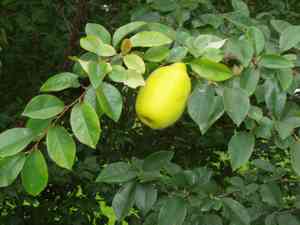
Hailing from East Asia, chinese quince is a deciduous tree recognized for its aromatic blossoms and palatable fruit. Trimming ought to concentrate on excising lifeless or ailing wood, reducing congested branches to improve sun penetration and air movement, and sculpting the tree to preserve an appealing silhouette. The optimal period to prune chinese quince is in late winter or early spring, prior to the emergence of new foliage. Pruning during this inactive phase lessens sap leakage and stimulates robust spring development. Appropriate pruning guarantees abundant fruit yield and sustains the aesthetic appeal of chinese quince.
Advantages of Trimming Chinese Quince
Advantages of Trimming Chinese Quince
Trimming chinese quince promotes robust development and helps maintain its desired form, ensuring a strong framework for improved light exposure and air movement, crucial for the plant's health and yield.
Optimal Period for Trimming Chinese Quince
Optimal Period for Trimming Chinese Quince
Trimming chinese quince in late winter or early spring is ideal, just before the start of the growing season. This timing allows chinese quince to recover from cuts without the risk of drying out or cold damage that can occur in mid-winter. Furthermore, removing dead or diseased wood at this time can prevent the spread of pests and illnesses as temperatures rise. Trimming before chinese quince enters its active growth phase also minimizes disruption to the flowering and fruiting cycles, ensuring energy is directed towards the development of healthy new shoots, blossoms, and fruit set during the subsequent growing season.
Tools Required for Trimming Chinese Quince
Hand Pruners
Perfect for making clean cuts on small branches and twigs of chinese quince, ensuring minimal harm to the plant's tissues.
Lopping Shears
Best for cutting thicker branches that hand pruners cannot manage, allowing for precise control over the shape and health of chinese quince.
Pruning Saw
Essential for removing larger branches from chinese quince that are too thick for lopping shears, enabling bigger cuts without tearing the bark.
Hedge Shears
Useful for shaping the dense foliage of chinese quince if a formal hedge appearance is desired, allowing for straight, even cuts across multiple stems.
How to Trim Chinese Quince
Identify
Examine chinese quince to locate dead or diseased branches by looking for any that are discolored, shriveled, or have an unusual growth pattern.
Sanitize
Disinfect pruning tools with a solution of one part bleach to nine parts water to prevent disease transmission when cutting chinese quince.
Cut Diseased Branches
Use sharp, clean pruning shears to cut any diseased branches on chinese quince, making cuts well below the affected sections to ensure all compromised tissue is removed.
Trim Dead Branches
Trim dead branches on chinese quince close to the trunk or to a main limb without leaving stubs, cutting at a slight angle just above a healthy bud or branch collar.
Dispose
Discard all removed diseased and dead material from chinese quince far from your garden to prevent re-infection or disease spread.
Common Trimming Errors with Chinese Quince
Poor Tool Upkeep
Using dull or dirty pruning tools can result in jagged cuts that heal poorly and increase the risk of disease for chinese quince.
Excessive Trimming
Removing too much foliage at once can stress chinese quince, hindering its growth and potentially leading to its decline or death.
Failure to Trim
Not trimming chinese quince at all can lead to a dense, tangled canopy that is susceptible to disease and may produce fewer flowers and fruits.
Incorrect Cut Placement
Cutting too close to or too far from buds can affect subsequent growth. The former may damage the bud, while the latter can create unsightly and potentially harmful stubs.
Improper Sucker Removal
Suckers should be removed to prevent nutrient diversion from the main plant, but cutting them incorrectly may encourage more to grow.
Ignoring Dead Or Diseased Wood
Leaving dead or diseased branches untrimmed can impede air circulation and foster disease in chinese quince, impacting overall vitality.
General Trimming Advice for Chinese Quince
Choose Right Time
Trim chinese quince when it will least impact flowering and vigor, but avoid the season-specific details provided in other content sections.
Select Proper Tools
Opt for sharp, clean pruning shears or loppers that make clean cuts and reduce the risk of disease infection.
Follow Natural Form
Trim to maintain chinese quince's natural structure, enhancing its aesthetic appeal and reducing the need for corrective future trimming.
Cut At Proper Angle
Make cuts at a 45-degree angle about 1/4 inch above an outward-facing bud to encourage outward growth and prevent water accumulation.
Prune To Improve Airflow
Thin out crowded branches to improve light penetration and air circulation, promoting a healthier and more productive chinese quince.
Remove Dead And Diseased Wood
Regularly inspect and remove any dead, dying, or diseased branches to help chinese quince focus its energy on healthy growth.



